Complete Tooth Gem DIY Guide: Safe Application at Home
Learn how to safely apply tooth gems at home with this comprehensive DIY guide covering preparation, application techniques, and aftercare for lasting results.

Ivy ChenSunday, August 24, 2025
Preparing for Your First Tooth Gem Application
Tooth gem diy projects can seem intimidating at first, but with the right preparation and techniques, you can achieve professional-looking results from the comfort of your home. The key lies in understanding proper tooth preparation, workspace setup, and application methods. Before beginning any dental jewelry application, it's essential to assess your comfort level with precision work and ensure you have appropriate tools and materials specifically designed for dental use. Many people find that starting with simpler designs and working their way up to more complex applications helps build confidence and technique.
The growing popularity of tooth gem diy applications has led to improved accessibility of quality materials and comprehensive tutorial resources. Unlike other DIY beauty treatments, dental jewelry requires specific attention to safety protocols and proper bonding techniques to ensure both aesthetic appeal and dental health. When approached methodically, applying tooth gems at home can be a rewarding experience that allows for creative expression while maintaining professional standards of care. Understanding the fundamental principles of dental adhesion and proper gem placement will help you avoid common pitfalls that can affect both appearance and longevity of your dental jewelry.
Essential Tools and Materials for DIY Tooth Gem Application
Your tooth gem diy kit should include several critical components for successful application. Dental-grade bonding adhesive forms the foundation of any quality tooth gem setup, providing the necessary strength and durability for lasting results. Look for adhesives specifically formulated for dental use, as craft glues and general-purpose adhesives lack the appropriate bonding properties and may contain harmful chemicals. Quality tooth gems should feature flat backs designed specifically for dental application, allowing for optimal surface contact and secure attachment.
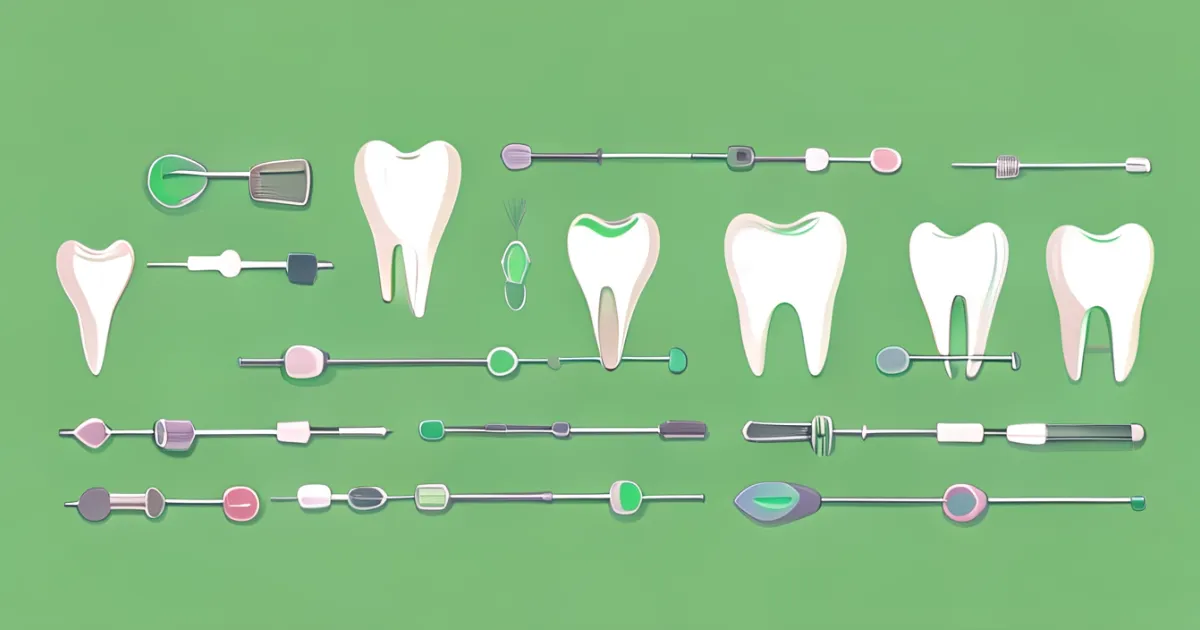
Application tools typically include micro-brushes or applicator tips for precise adhesive placement, dental mirrors for visibility, and cotton swabs for cleanup. Some kits also include UV curing lights for certain types of dental adhesives. When gathering materials for your tooth gem diy project, prioritize quality over quantity, as inferior materials can compromise both safety and results. Investing in proper storage containers helps keep your supplies organized and extends the life of your materials. Remember that dental jewelry application requires patience and attention to detail—rushing through the preparation or application process often leads to disappointing results and potential damage to your dental work.
Step-by-Step Tooth Gem Application Process
Begin your tooth gem diy application with thorough dental hygiene, including brushing and flossing to ensure a clean surface for optimal adhesion. Avoid eating or drinking anything except water for at least an hour before application to minimize moisture and contamination. Dry the target tooth completely using cotton swabs and air, as moisture significantly impacts adhesive bonding. Some professionals recommend lightly etching the tooth surface with a dental-safe solution to improve adhesion, though this step should only be attempted with proper training and materials.
Apply a small amount of dental adhesive to the back of your chosen gem using a micro-applicator, being careful not to use excess that could spread to surrounding teeth. Position the gem carefully on the desired tooth location, using a dental mirror for accuracy if applying to front teeth. Most dental adhesives require several seconds of steady pressure to establish initial bonding. For UV-cured adhesives, follow manufacturer instructions regarding light exposure time. After application, avoid eating, drinking, or brushing for the recommended period, typically several hours to ensure proper curing and maximum bond strength. Monitor the gem placement for the first 24 hours to ensure it remains secure and properly positioned.
Common Mistakes to Avoid in DIY Tooth Gem Application
One of the most frequent errors in tooth gem diy projects is inadequate tooth preparation. Rushing through the cleaning and drying process significantly reduces adhesive effectiveness and can lead to premature gem loss. Similarly, using inappropriate adhesives designed for other purposes creates safety risks and poor results. Always select products specifically formulated for dental applications, as these provide the necessary biocompatibility and bonding strength for oral environments.
Another common issue involves improper gem placement, particularly regarding bite alignment and interference. Carefully assess how the chosen gem will affect your bite pattern and speech before application. Gems that are too large or poorly positioned can cause discomfort, chipping, or interference with normal oral function. Additionally, many beginners underestimate the importance of following manufacturer instructions precisely, especially regarding curing times and aftercare requirements. Overlooking these details can compromise both the appearance and longevity of your dental jewelry. Remember that successful tooth gem application rewards attention to detail and patience—qualities that distinguish professional-quality results from amateur attempts.
Tooth Gem Aftercare and Maintenance
Proper aftercare is crucial for maintaining your tooth gem diy results and ensuring dental health. For the first 24 hours after application, avoid hard, sticky, or chewy foods that could dislodge the gem or compromise the bonding. Hot beverages should also be avoided initially, as temperature extremes can affect adhesive curing. Continue your regular oral hygiene routine but brush gently around the gem area, using a soft-bristled brush and non-abrasive toothpaste. Floss carefully around the gem to avoid accidental dislodgement while maintaining gum health.
Regular maintenance includes checking the gem's security and monitoring the surrounding tooth and gum tissue for any signs of irritation or damage. While properly applied dental gems typically last several weeks to months, individual results vary based on factors like diet, oral hygiene, and bite patterns. If you notice any loosening, discoloration, or discomfort, remove the gem promptly or seek professional assistance. Periodic inspection helps identify potential issues before they become serious problems. When it's time to remove or replace your tooth gem, follow proper removal techniques to avoid damaging tooth enamel or surrounding dental work. Consult dental professionals if you have any concerns about the impact of dental jewelry on your oral health.
Safety Considerations and When to Seek Professional Help
Despite careful preparation and technique, tooth gem diy projects occasionally require professional intervention. Recognizing when to seek dental expertise protects both your oral health and investment in dental jewelry. Signs that warrant professional consultation include persistent tooth sensitivity, gum inflammation, or unusual discoloration around the gem site. Additionally, if you experience difficulty removing a gem or notice any damage to tooth structure, immediate professional evaluation is essential.
Certain dental conditions may contraindicate tooth gem application entirely. Active tooth decay, gum disease, extensive dental work, or orthodontic treatments typically require postponing dental jewelry until these issues are resolved. Similarly, individuals with specific allergies to dental materials or compromised immune systems should consult their dentist before attempting any tooth gem diy projects. Remember that dental professionals can offer valuable guidance on safe application techniques and help troubleshoot any issues that arise during your tooth gem journey. Prioritizing safety over aesthetics ensures that your dental jewelry enhances rather than compromises your oral health.
For those seeking additional guidance or advanced techniques, professional tooth gem services offer personalized instruction and access to premium materials. Understanding proper bonding glue selection further enhances your DIY skills and results quality.