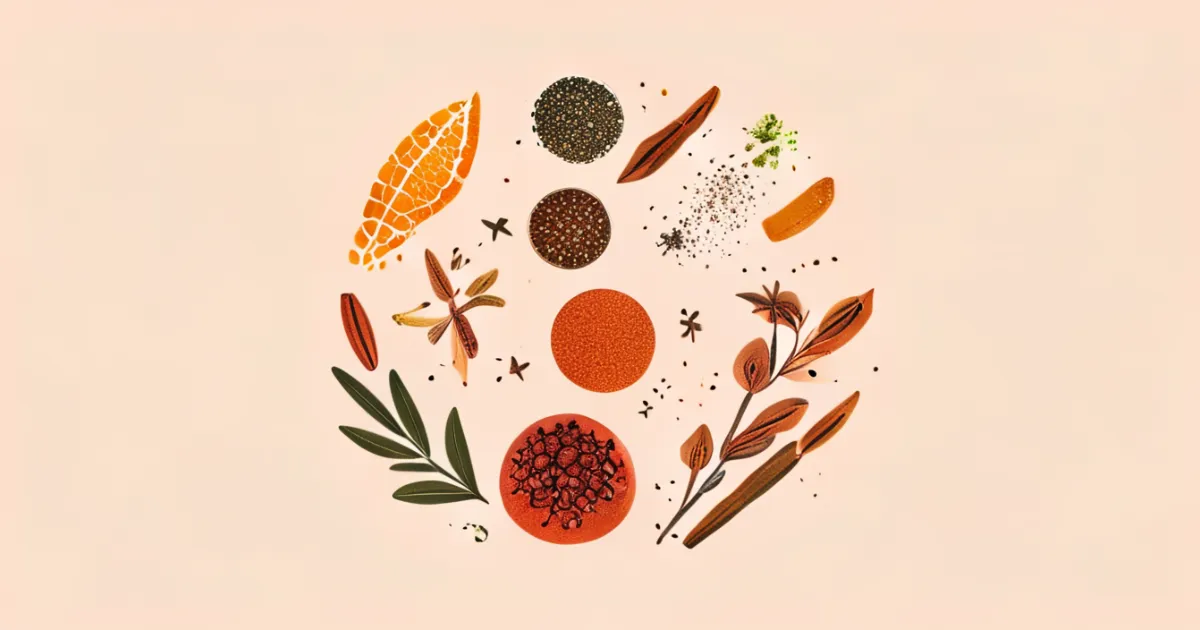
Authentic Shichimi Togarashi Recipe: Traditional Japanese Seven Spice
Learn to make authentic shichimi togarashi at home with this traditional Japanese recipe. Master the perfect balance of seven spices including red chili pepper, sesame seeds, and citrus peel for genuine flavor.

Ivy ChenSunday, August 24, 2025
Understanding Traditional Shichimi Togarashi
The Japanese seven-spice blend, known as shichimi togarashi, represents centuries of culinary refinement and cultural wisdom. This traditional seasoning combines seven distinct ingredients that work in harmony to create a complex flavor profile. Unlike many commercial spice blends that rely on salt or sugar as filler, authentic shichimi focuses on balancing heat, citrus, and umami notes that enhance rather than overpower dishes.
Mastering this authentic shichimi togarashi recipe connects you to Japanese culinary traditions while giving you complete control over ingredient quality and flavor balance. The beauty of this seven-spice blend lies in its versatility—it works equally well sprinkled over noodles, grilled meats, or even incorporated into marinades and dressings. Making your own ensures freshness and allows you to customize the heat level to your preference.
The Seven Essential Ingredients
A traditional shichimi togarashi recipe follows a specific ratio that creates perfect flavor balance. Red chili pepper forms the base, providing the characteristic warmth and spice. Use Japanese varieties like santaka or takaanatsu for authentic flavor, though any high-quality red pepper flakes work in a pinch. Toast your chili flakes briefly in a dry pan to deepen their flavor before grinding.
Sesame seeds add nutty depth and texture, typically using both white and black varieties in equal parts. Lightly toast them separately until fragrant, as this step is crucial for developing their full flavor potential. Citrus peel (yuzu or mandarin orange) provides bright, aromatic notes that cut through the richness and cleanse the palate. Use dried citrus peel for best results, or make your own by thinly peeling fresh citrus and drying it thoroughly.
Nori contributes umami richness and subtle oceanic notes. Toast nori sheets briefly over low heat until crisp, then crumble them finely. Ginger adds gentle warmth and digestive properties. Use dried ginger powder for even distribution, or finely mince fresh ginger and dry it before grinding. Sichuan peppercorns provide that characteristic tingly sensation without intense heat. Toast them lightly to release their aromatic oils. Finally, poppy seeds offer subtle texture and visual interest with their mild, nutty flavor.
Step-by-Step Preparation Method
Start by gathering high-quality versions of all seven ingredients. The secret to exceptional shichimi togarashi lies in ingredient freshness and proper preparation techniques. Toast each ingredient separately in a dry skillet over medium-low heat, watching carefully to prevent burning. Each ingredient will release its aromas when ready—this process typically takes 2-3 minutes per ingredient.
Allow toasted ingredients to cool completely before processing. This step prevents condensation and ensures proper grinding. Work in small batches to maintain consistency. Use a spice grinder or mortar and pestle to achieve your preferred texture. Some traditionalists prefer a coarser grind for texture, while others opt for a fine powder for even distribution.
Combine all ground spices in a bowl and mix thoroughly. Store your shichimi togarashi in an airtight container away from light and heat. The flavor develops over the first week, so don't hesitate to let it sit for a few days before first use. Shake the container before each use to redistribute settled ingredients evenly.
Customization and Variations
While traditional shichimi togarashi follows specific ingredient ratios, don't be afraid to customize based on your taste preferences and available ingredients. Adjust heat levels by increasing or decreasing the red chili pepper proportion. For milder versions, use mild paprika instead of hot chili flakes. For extra spice, add a pinch of cayenne or use hotter pepper varieties.
Some regional variations substitute orange peel for yuzu or add garlic powder for additional savory notes. Modern interpretations might include cinnamon or star anise for warming spice complexity. These variations work well in fusion dishes but stay true to the original concept of balancing seven distinct flavor elements.
Consider making different batches for different applications. A finer grind works best for marinades and sauces, while coarser textures provide pleasant crunch when sprinkled as finishing seasoning. The best shichimi togarashi recipe is one that adapts to your cooking style while respecting the traditional flavor balance.
Storage and Shelf Life
Proper storage ensures your shichimi togarashi maintains its vibrant flavor and aromatic qualities. Store in glass containers with tight-fitting lids, away from direct sunlight and heat sources. Spices lose potency when exposed to light, heat, and moisture, so your pantry or a cool cabinet works better than above your stove.
Expect optimal flavor for 3-4 months when stored properly. While the blend remains safe to use longer, the aromatic compounds gradually dissipate. Mark your containers with the preparation date and consider making smaller batches more frequently rather than large quantities that sit for extended periods.
Never store spices near your stove or in direct sunlight. The heat from cooking accelerates flavor loss, while sunlight causes photodegradation of aromatic compounds. If you notice your blend losing intensity, gently re-toast small quantities to restore some aroma, though fresh preparation always yields the best results.
Traditional Uses and Applications
This authentic shichimi togarashi recipe opens up countless culinary possibilities. Sprinkle it over udon or soba noodles with a drizzle of soy sauce for a classic Japanese lunch. Use it as a finishing spice for grilled fish, chicken, or beef—the heat and citrus notes complement most proteins beautifully.
In Japanese cuisine, shichimi commonly appears on yakitori skewers and in tempura dipping sauces. It adds complexity to simple rice bowls and elevates fried vegetables. Try it on roasted sweet potatoes, where the citrus notes contrast beautifully with the natural sweetness.
Beyond Japanese dishes, this versatile seasoning works wonderfully on popcorn, roasted nuts, and avocado toast. Add it to vinaigrettes for an Asian-inspired twist, or incorporate it into dry rubs for barbecue. The complex flavor profile bridges Eastern and Western cuisines, making it a valuable addition to any spice collection.
Quality Tips and Common Mistakes
Creating exceptional shichimi togarashi requires attention to detail and quality ingredients. Never use pre-ground spices when fresh, whole spices are available. Grinding releases volatile oils that create the most vibrant flavor profiles. If you must use pre-ground spices, purchase them from reputable sources with high turnover.
Toast spices individually rather than together. Each ingredient toasts at different rates due to varying oil contents and moisture levels. Over-toasting creates bitterness, while under-toasting results in flat flavors. Watch for color changes and aroma development as your guides.
Avoid common mistakes like storing spices in plastic containers or using metal grinders for corrosive spices like salt-containing blends. Clean your equipment thoroughly between different spice types to prevent flavor contamination. Finally, measure by weight rather than volume for the most accurate ratios, though experienced cooks often develop an intuitive sense of proper proportions through practice.
This authentic shichimi togarashi recipe represents more than just spice blending—it's a gateway to understanding Japanese culinary philosophy of balance, refinement, and respect for ingredients. Practice these techniques, experiment with ratios, and discover how this seven-spice blend can transform your cooking.