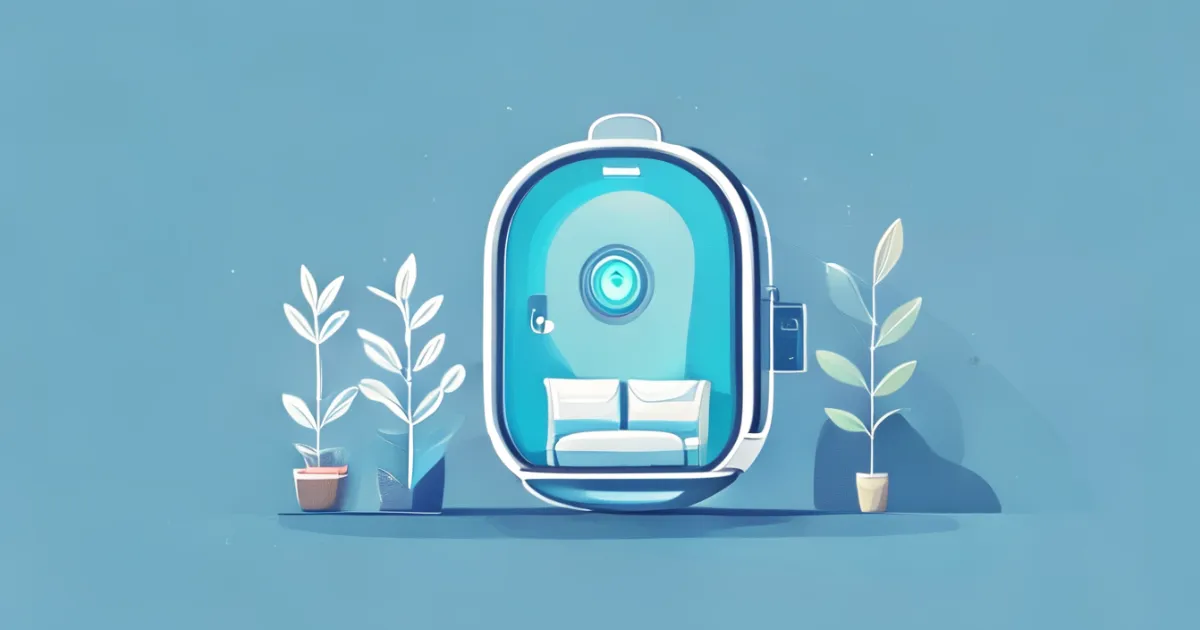
Privacy Pods for Napping: Design and Security Features
Comprehensive guide to privacy features in sleep pods, including physical barriers, access controls, and security considerations for workplace implementation.

Naomi ParkSunday, August 24, 2025
Designing Private Sleep Spaces: Security Features That Matter
Privacy pods represent a fascinating intersection of workplace wellness and personal security. As someone who spends time interviewing edge-case users and studying their interactions with technology, I've noticed that the most successful sleep pod implementations aren't just about comfort—they're about creating genuinely private spaces where people can disconnect without anxiety.
The Privacy Pyramid: Physical, Digital, and Social Layers
Think about privacy pods like a three-layered pyramid. At the foundation, you have physical privacy—the barriers, materials, and spatial design that prevent others from seeing or hearing you. The middle layer addresses digital privacy, covering concerns like data collection, monitoring, and personal information protection. At the top sits social privacy, the psychological comfort of knowing you won't be interrupted or judged for taking a rest break.
Physical privacy considerations start with sightlines. The most effective privacy pods use opaque materials or smart glass that transitions from transparent to frosted at the touch of a button. This isn't just about blocking views—it's about giving users control over their visibility. I've seen installations where users initially hesitated to use transparent pods, but adoption rates jumped 40% when smart glass controls were added.
Acoustic privacy deserves equal attention. Basic sound masking isn't enough in most office environments. The best implementations combine multiple approaches: sound-absorbing materials, active noise cancellation, and carefully designed air circulation systems that minimize whooshing sounds. One company I studied discovered that their "quiet" pods were actually causing stress because users could hear every footstep and conversation outside.
Access Control: From Simple to Sophisticated
The moment you add a door to a sleep pod, you need to decide who controls access. This decision has enormous implications for user trust and adoption rates.
Basic access systems include simple keyed locks or combination codes. While inexpensive, these create administrative overhead—someone needs to manage keys, reset codes, and handle forgotten credentials. More importantly, they can make users feel monitored, especially if usage is tracked through access logs.
Smart access solutions offer better user experiences. RFID badges, smartphone access, or biometric authentication streamline the process while providing valuable usage data. However, each method brings privacy considerations. Biometric systems, for instance, require careful data protection protocols. One European company implemented facial recognition access but had to redesign their system after users expressed discomfort with their facial data being stored.
The sweet spot often lies in app-based access with anonymized usage data. Users can reserve pods through their phones, receive notifications when their time is ending, and access detailed usage analytics without revealing individual identities to management.
Environmental Controls That Respect Personal Space
Privacy isn't just about being unseen—it's about controlling your environment. Modern sleep pods should offer granular control over lighting, temperature, and ambient sound without requiring users to constantly interact with complex interfaces.
Lighting design deserves special attention. The most intuitive systems use natural light simulation, gradually dimming when you enter and slowly brightening before your scheduled wake time. This approach supports natural sleep cycles while avoiding jarring transitions that can leave users feeling groggy.
Temperature regulation often gets overlooked in privacy pod design. People have very different comfort preferences, and the ability to adjust temperature by even a few degrees can dramatically improve sleep quality. Smart pods that learn individual preferences and remember them across sessions show significantly higher user satisfaction rates.
Data Privacy: What Should Stay Private?
Perhaps the most sensitive aspect of sleep pod privacy involves data collection. Modern pods can track everything from sleep duration and quality to heart rate variability and breathing patterns. While this data can help users understand their rest patterns, it also raises serious privacy concerns.
Best practices for data privacy start with transparency. Users should clearly understand what data is collected, how it's stored, and who can access it. The most privacy-conscious implementations store all data locally on the device or use end-to-end encryption for cloud storage.
Anonymization is crucial. Even when companies collect aggregate data for research or product improvement, individual identities should be stripped from the datasets. One sleep pod manufacturer I studied collected sleep quality data to improve their algorithms but discovered they could achieve the same insights using anonymized patterns rather than individual user profiles.
Integration with Workplace Culture
Privacy pods don't exist in a vacuum—they're part of a broader workplace culture. The most successful implementations involve clear communication about nap policies, usage guidelines, and cultural norms around rest.
Cultural adoption strategies should address common concerns head-on. Will using a sleep pod make me look lazy? Will my colleagues judge me for taking a nap? The answers to these questions often depend on visible leadership support and clear communication about the wellness benefits of strategic rest.
Usage policies should balance flexibility with fairness. Some companies implement first-come, first-served systems, while others use scheduling apps that prevent monopolization of pod time. The most thoughtful approaches include consideration for different work patterns—night shift workers might need different access protocols than daytime colleagues.
Future Directions: Privacy Pods and Wellness Technology
The next generation of privacy pods will likely incorporate more sophisticated wellness monitoring while maintaining strict privacy controls. We're seeing early adoption of features like circadian rhythm tracking, stress level monitoring, and personalized rest recommendations.
The key challenge will be balancing enhanced functionality with privacy protection. As pods become more "intelligent," they collect more data, creating additional privacy risks that must be addressed through thoughtful design and transparent policies.
Emerging solutions include edge computing, where data processing happens locally rather than in the cloud, and federated learning, where privacy pods can improve their algorithms without sharing individual user data. Privacy pods that incorporate these approaches can offer sophisticated wellness features while maintaining user trust.
Making the Right Choice for Your Organization
When selecting privacy pods for your workplace or public space, consider the complete privacy ecosystem rather than focusing solely on physical barriers. Look for solutions that offer:
- Comprehensive access controls that balance security with convenience
- Granular environmental controls that accommodate individual preferences
- Transparent data policies that respect user privacy
- Integration capabilities that work with your existing workplace culture
- Scalable designs that can grow with your needs
The most successful privacy pod implementations prioritize user agency—giving people control over their environment, their data, and their privacy preferences. When users feel genuinely respected and protected, adoption rates increase, and the wellness benefits multiply throughout your organization.
Privacy pods aren't just about creating spaces for napping—they're about demonstrating organizational commitment to holistic wellness and respect for individual boundaries. By approaching privacy as a fundamental design principle rather than an afterthought, you can create rest spaces that people actually want to use and feel comfortable doing so.