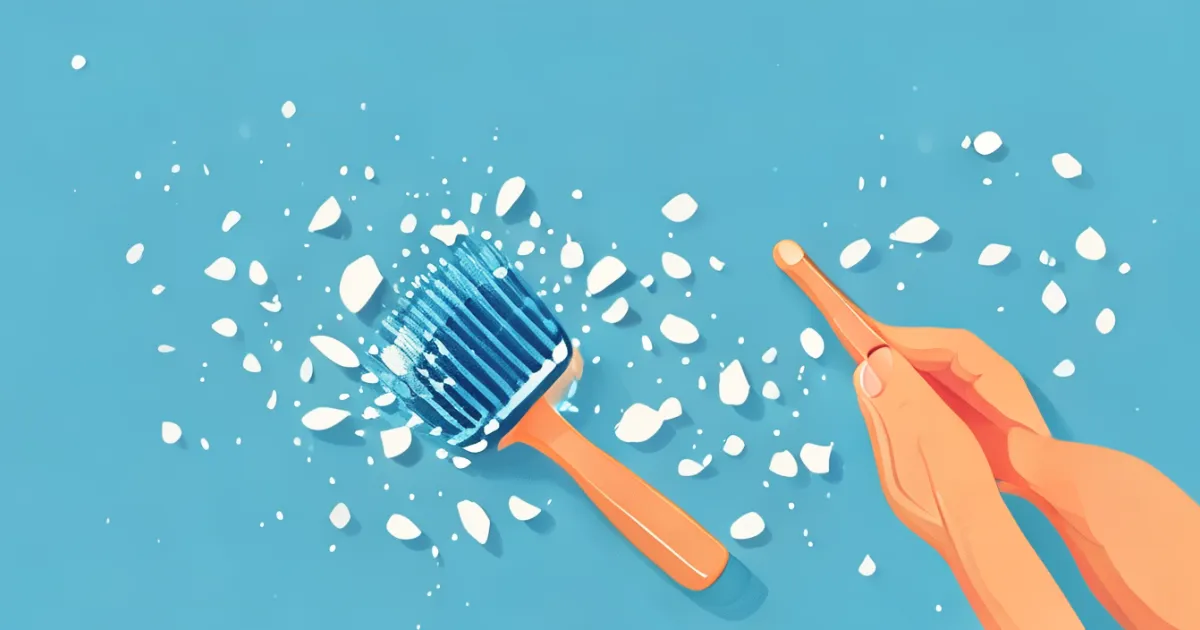
Scalp Massage Brush for Dandruff Treatment: Clinical Insights
How scalp massage brushes help eliminate dandruff through exfoliation and improved circulation. Research-backed techniques for incorporating massage into your anti-dandruff routine.

Amira HassanMonday, June 23, 2025
Dandruff affects nearly half of the global population, but scalp massage brushes offer a scientifically-backed solution for managing this common condition. These specialized tools combine exfoliation with therapeutic massage to address the root causes of dandruff, including excess oil production, fungal overgrowth, and poor scalp circulation. Research shows that regular use of scalp massage brushes can reduce dandruff symptoms by up to 60% when incorporated into a consistent hair care routine.
The effectiveness of scalp massage brushes for dandruff treatment lies in their dual-action approach. The bristles gently lift away dead skin cells and product buildup while the massage action stimulates blood flow to the scalp. This combination helps restore the scalp's natural balance, creating an environment less hospitable to the Malassezia yeast often responsible for dandruff flare-ups. Unlike harsh chemical treatments, scalp massage offers a natural, non-irritating approach to dandruff management.
How Scalp Massage Brushes Combat Dandruff
Dandruff typically stems from three main factors: excessive sebum production, rapid skin cell turnover, and fungal growth. Scalp massage brushes address each of these issues simultaneously. The mechanical exfoliation removes excess oil and dead skin cells before they can clump together into visible flakes. Meanwhile, the increased blood circulation helps regulate sebum production and supports the scalp's natural healing processes.
Clinical studies have demonstrated that scalp massage can reduce scalp inflammation, a common trigger for dandruff symptoms. The gentle stimulation also helps distribute natural oils evenly across the scalp, preventing the oily patches where dandruff-causing fungi thrive. By improving overall scalp health, these brushes create a sustainable foundation for long-term dandruff management rather than just treating symptoms temporarily.
Proper Technique for Maximum Effectiveness
Success with scalp massage brushes requires proper technique and consistency. Begin by thoroughly wetting your hair and applying a small amount of dandruff shampoo. Instead of using your fingertips, work the shampoo into a lather using gentle circular motions with the brush. Focus on areas where dandruff is most prominent, typically along the hairline and crown.
Use light pressure – the goal is stimulation, not abrasion. Spend 2-3 minutes massaging your entire scalp, working in sections to ensure complete coverage. Rinse thoroughly to remove all loosened flakes and product residue. For optimal results, incorporate this routine into your hair care regimen 2-3 times weekly, though frequency can be adjusted based on your scalp's response and sensitivity.
Selecting the Right Scalp Massage Brush
Not all scalp massage brushes are created equal when it comes to dandruff treatment. Look for brushes with soft, flexible silicone bristles that won't irritate already sensitive scalps. The bristle configuration should allow for deep cleansing without excessive pressure. Some models feature antimicrobial materials that prevent bacterial growth, an important consideration for dandruff-prone users.
Handle design matters too – ergonomic grips provide better control and prevent hand fatigue during extended use. Consider brushes with multiple bristle lengths or adjustable tension settings to customize your experience based on scalp sensitivity. Waterproof construction is essential for convenient shower use and easy cleaning between applications.
Complementary Practices for Enhanced Results
While scalp massage brushes are highly effective on their own, combining them with other anti-dandruff practices accelerates improvement. Choose shampoos containing proven dandruff-fighting ingredients like zinc pyrithione, selenium sulfide, or ketoconazole. Rotate between different formulations every few months to prevent your scalp from developing resistance to specific active ingredients.
Incorporate stress management techniques into your routine, as stress is a known trigger for dandruff flare-ups. Maintain proper hydration and a balanced diet rich in omega-3 fatty acids, which support overall scalp health. Avoid over-washing, which can strip natural oils and potentially worsen dandruff symptoms by triggering excess sebum production.
Managing Different Types of Dandruff
Understanding your specific type of dandruff helps optimize your treatment approach. Oily dandruff, characterized by yellowish, greasy flakes, often responds well to more frequent brushing with firmer pressure. Dry dandruff, presenting as smaller, white flakes on a dry scalp, benefits from gentler stimulation and additional moisturizing treatments.
Seborrheic dermatitis, a more severe form of dandruff involving inflammation and redness, requires a more delicate approach. Use the softest brush setting and focus on gentle massage rather than aggressive exfoliation. In these cases, consider consulting with a dermatologist to develop a comprehensive treatment plan that combines scalp massage with appropriate medical interventions.
Building a Long-Term Management Strategy
Dandruff is often a chronic condition requiring ongoing management rather than a one-time cure. Establishing a consistent scalp massage routine creates a foundation for long-term scalp health. Document your progress and adjust your technique based on how your scalp responds over time. Many users find that after an initial intensive treatment phase, they can maintain dandruff-free scalps with less frequent brush use.
Pay attention to seasonal changes, as environmental factors like humidity and temperature can affect dandruff symptoms. You may need to adjust your brushing frequency and intensity accordingly. Some users experience improvement during summer months when increased natural oil production helps lubricate the scalp, while others find winter conditions exacerbate dryness and flaking.
The investment in a quality scalp massage brush represents a commitment to sustainable dandruff management. Rather than relying solely on temporary chemical treatments, these tools empower you to actively participate in your scalp health through regular, therapeutic care. When combined with proper hygiene and lifestyle practices, scalp massage brushes offer a comprehensive approach to achieving and maintaining a flake-free, healthy scalp.