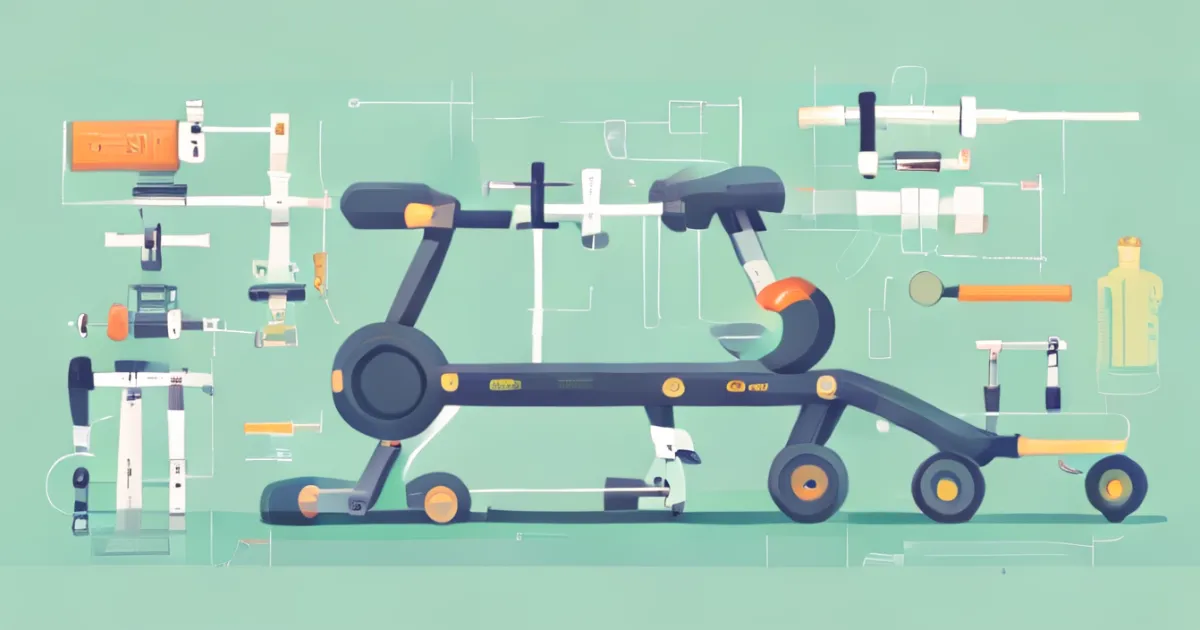
Pilates Machine Assembly Instructions: Step-by-Step Setup Guide
Assembly your new Pilates machine with confidence using our detailed step-by-step instructions. Includes photos, troubleshooting tips, and what tools you'll need for smooth setup.

Ivy ChenFriday, August 15, 2025
Preparing for Your Pilates Machine Assembly
Before you begin Pilates machine assembly instructions, gathering the right tools and setting up your workspace will make the process much smoother. Start by clearing a large area where you can spread out all parts without tripping hazards. You'll need at least two feet of clearance around all sides of the machine once assembled.
Most Pilates machines require basic tools that you likely already own: Allen wrenches (usually included), adjustable wrenches, Phillips screwdriver, and occasionally rubber mallets. Lay everything out on a clean surface and organize the hardware by size and type. Many manufacturers provide small bags labeled with letters or numbers corresponding to the assembly steps.
Carefully review your instruction manual before starting. Notice the sequence of steps and any special warnings or precautions specific to your model. If your machine has electronic components or resistance systems, pay extra attention to those sections as they often require more precise handling.
Step 1: Frame Assembly Foundation
Begin with the main frame components, which form the foundation of your Pilates machine. Most machines start with the base rails or main frame sections that create the elongated structure.
- Position the base rails on the floor parallel to each other, following the manufacturer's specified spacing. Check for labels indicating front/back or left/right orientation.
- Connect frame supports using the provided bolts and washers. Hand-tighten initially – you'll make final adjustments later once everything is aligned.
- Install crossbars if your model includes them, ensuring they click or lock into place securely. Crossbars provide essential stability for the entire structure.
Checkpoint: At this stage, your frame should feel stable without wobbling. If it feels unsteady, double-check that all bolts are properly inserted and that supports are positioned correctly. Don't overtighten bolts yet, as some minor adjustments may be needed when adding additional components.
If this happens: If holes don't align perfectly, gently wiggle the components rather than forcing them. Misalignment often indicates a part is oriented incorrectly. Step back and verify you're using the right pieces in the right positions.
Step 2: Installing the Carriage System
The carriage is the moving platform where you'll lie during exercises. This component requires careful installation to ensure smooth, safe operation.
- Position the carriage on the frame rails, following the directional arrows if provided. Most carriages have specific front/back orientation.
- Attach wheels or rollers to the carriage underside, tightening according to the torque specifications in your manual. These components must be secure but not so tight that they can't rotate freely.
- Test the carriage movement by sliding it back and forth on the rails. It should glide smoothly without catching or grinding noises.
Checkpoint: The carriage should move freely across the full range of motion without lifting off the rails. Listen for any unusual sounds that might indicate alignment problems.
If this happens: If the carriage sticks or jumps, check for debris on the rails and ensure all wheels are properly seated. Some models require slight lubrication at this stage – use only the lubricant recommended by the manufacturer.
Step 3: Spring and Resistance Installation
The resistance system is the heart of your Pilates machine's effectiveness. Follow these steps carefully to ensure proper spring installation.
- Locate spring attachment points on the frame and carriage. These are typically metal hooks or pegs designed to hold spring ends securely.
- Attach springs one at a time, starting with the lightest resistance springs first. Most systems have color coding to indicate resistance levels.
- Test each spring individually by pulling on it to ensure it's properly seated and provides consistent resistance.
Checkpoint: All springs should be aligned parallel to the frame without twisting or binding. They should provide smooth, consistent resistance throughout their full extension.
If this happens: If springs appear twisted or uneven, detach and reattach them. Never force a spring into position – this can damage both the spring and attachment points. Some models require specific spring configurations for different resistance levels.
Step 4: Platform and Padding Installation
Comfort and safety depend on proper installation of platforms, shoulder rests, and padding components.
- Install shoulder rests according to your manual, usually by sliding them onto designated rails or bolting them in place. Ensure they're positioned at the correct height and angle.
- Attach headrest or foot bar if your model includes these components. These often require specific torque settings to ensure stability.
- Apply padding and upholstery components, making sure they lie flat without wrinkles that could interfere with movement.
Checkpoint: All padding should be securely attached without loose edges that could catch during use. Test adjustable components to ensure they lock in place firmly.
If this happens: If padding seems loose, check for missing fasteners or incorrect installation sequence. Some upholstery requires stretching or positioning before final tightening.
Step 5: Final Adjustments and Safety Checks
With main components assembled, it's time for final adjustments and thorough safety testing.
- Go back and tighten all bolts to the manufacturer's specifications. Don't overtighten, as this can strip threads or damage components.
- Check alignment of all moving parts. The carriage should track straight without veering to either side.
- Test resistance systems by using the machine gently at first. Apply weight gradually to ensure everything handles load properly.
Checkpoint: The machine should feel solid and stable during light use. All moving parts should operate smoothly without unusual noises or resistance.
Troubleshooting Common Assembly Issues
Even with careful assembly, you might encounter some common issues. Here are solutions to the most frequent problems:
Wobbling or instability: This usually indicates uneven floor contact or loose bolts. Check that all legs touch the floor evenly, and tighten any loose connections. Some models include adjustable feet to accommodate uneven surfaces.
Stiff carriage movement: Check for debris on rails or misaligned wheels. Clean rails thoroughly and ensure all moving parts are properly lubricated according to your manual.
Uneven spring resistance: Verify that springs are correctly matched and properly attached. Some systems require specific spring combinations for balanced resistance.
Loose padding or upholstery: Make sure all fasteners are tightened and that upholstery is properly stretched over the frame.
Electronic or resistance system issues: Check all connections and ensure batteries are installed if required. Some systems need calibration before first use.
Maintenance After Assembly
Once your Pilates machine assembly instructions are complete, establish a regular maintenance routine to keep your equipment functioning optimally. Check all bolts and connections monthly, lubricate moving parts as recommended, and inspect springs for signs of wear.
Keep your manual handy for reference and note any specific maintenance requirements for your model. Professional servicing might be recommended for certain components, especially electronic resistance systems.
Regular cleaning with appropriate products will prolong the life of upholstery and prevent buildup that could interfere with moving parts. Most importantly, listen to your equipment – unusual noises or changes in resistance often indicate maintenance is needed.