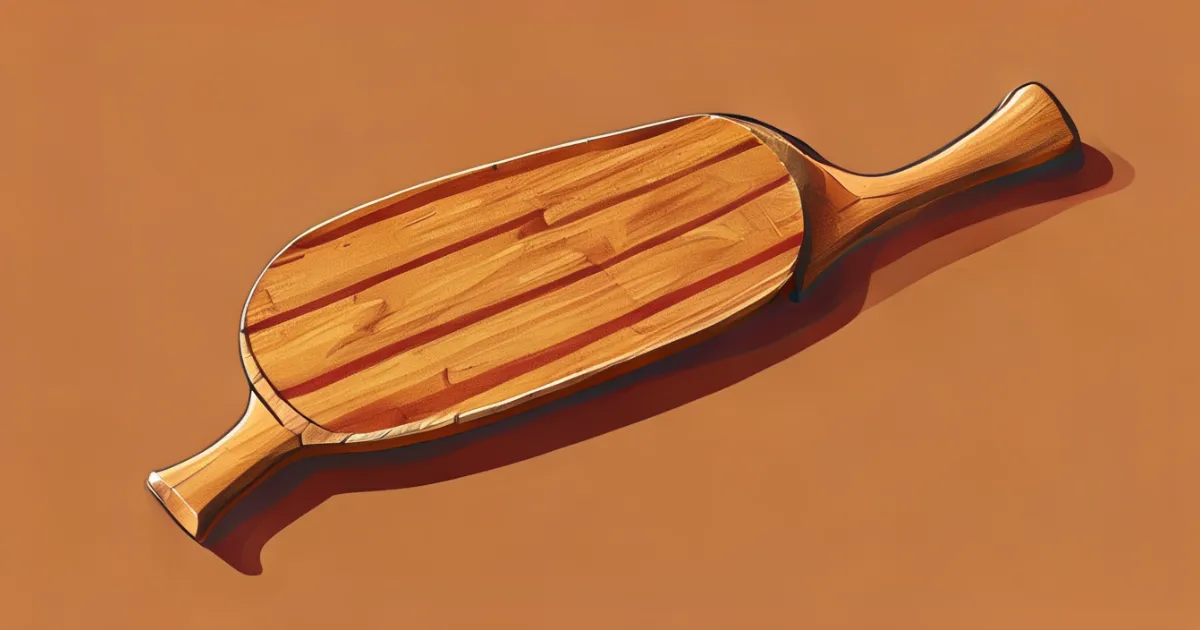
Wooden Pickleball Paddles
Traditional wooden pickleball paddles - affordable, durable, and perfect for beginners learning the basics of pickleball technique and control.

Alex RiveraFriday, August 8, 2025
Wooden Pickleball Paddles: Your Smart Starting Point
Bottom line: Wooden pickleball paddles are the best pickleball paddle for beginners because they teach proper fundamentals without the crutches that can develop bad habits. They're affordable, durable, and provide excellent feedback that accelerates learning—making them the perfect entry point into pickleball.
The beauty of wooden paddles lies in their simplicity. While high-tech materials offer advanced performance, wood gives you something more valuable during your early playing days: honest feedback. Every mishit, every off-center contact, every improper technique gets immediately transmitted to your hands and arms. This instant response system helps you develop proper form faster than more forgiving materials.
Learning Fundamentals the Right Way
Wooden paddles force you to develop proper swing mechanics from day one. Without the power boost that carbon fiber provides, you learn to generate pace through technique rather than equipment. This foundation becomes invaluable as you progress—players who start with proper mechanics adapt more easily to advanced paddles later.
The weight of wooden paddles (typically 9-11 ounces) builds arm and shoulder strength naturally. You'll develop the physical foundation needed for longer matches without even realizing it. Many players who start with lightweight paddles struggle when they advance to tournaments requiring longer play sessions—their arms simply aren't conditioned for the workload.
The Price Advantage Makes Perfect Sense
Let's talk numbers: wooden paddles typically cost a fraction of their high-tech counterparts. This affordability means you can invest your budget in lessons, court time, or multiple paddles for different situations rather than blowing your entire pickleball budget on one piece of equipment.
The value proposition extends beyond initial cost. Wooden paddles withstand abuse that would damage more delicate surfaces. Accidental drops, net post bumps, and ground contacts rarely cause serious damage. This durability means your investment lasts longer, providing plenty of playing time while you decide if pickleball is your long-term sport.
Surprising Performance Characteristics
Don't mistake affordability for poor performance. Quality wooden paddles deliver surprising capabilities when used properly. The natural absorption properties of wood create excellent ball control, especially during soft shots near the net. Many experienced players keep a wooden paddle specifically for kitchen practice, precisely because it forces better technique.
The solid construction of wooden paddles provides stability that helps beginners make consistent contact. While heavier materials might cause fatigue during extended play, this same weight helps create a pendulum-like swing that promotes consistent hitting zones. Your developing strokes benefit from this stability.
Developing Touch and Control
Wood's natural absorption properties make it ideal for learning delicate shots. The material naturally deadens pace, helping you develop the feel needed for effective dinks and drop shots. Many players who start with powerful paddles struggle to develop the soft touch that separates intermediate players from beginners.
During kitchen play, wooden paddles excel at keeping balls low and controlled. The reduced rebound means you can absorb opponents' power shots effectively, buying time to set up your next strategic response. This defensive advantage becomes crucial as you face increasingly skilled opponents.
The Feedback Loop That Accelerates Learning
Here's where wooden paddles truly shine: they provide immediate, unmistakable feedback about your technique. Mishits create different vibrations than solid contact. Shots struck with improper form feel distinctly different from technically sound swings. Your hands and arms become sophisticated diagnostic tools, helping you self-correct between shots.
This sensory feedback system accelerates skill development in ways that coaching alone cannot match. You'll naturally start making micro-adjustments to improve contact quality without consciously thinking about it. Over time, these adjustments become ingrained habits that serve you well as you advance to more sophisticated equipment.
Weight Considerations for Beginners
The heavier weight of wooden paddles (compared to modern alternatives) actually benefits beginners in several ways. First, it helps maintain consistent swing planes through the hitting zone. The natural momentum keeps your stroke smooth rather than jerky or rushed.
Second, the additional mass creates a larger sweet spot conceptually. While the physical sweet spot might be similar to lighter paddles, the weight tolerance makes off-center hits more forgiving. Beginners struggling with consistent contact find this helpful during early development stages.
Understanding Wooden Paddle Limitations
Wooden paddles aren't perfect for every situation or player type. Players with previous arm or shoulder issues might find the additional weight problematic. The heavier equipment can exacerbate existing conditions if proper form isn't maintained throughout extended play sessions.
The lack of advanced materials means wooden paddles generally provide less power potential than their high-tech counterparts. Players relying on equipment-generated pace rather than proper technique might feel limited as they advance against stronger opponents. This limitation actually serves as motivation to develop better mechanics.
Transition Planning: When to Upgrade
How do you know when you've outgrown your wooden paddle? Look for these indicators: you're consistently winning matches against other beginners, your technique feels solid and repeatable, and you notice equipment limitations rather than technique flaws affecting your shot quality.
When you do decide to upgrade, the fundamental foundation built with wooden paddles serves you well. Players who master proper mechanics with basic equipment typically adapt more successfully to advanced paddles. They understand how to generate power through technique rather than relying on equipment crutches.
Maintenance That Extends Value
Caring for wooden paddles is straightforward but important. Avoid prolonged exposure to moisture, which can warp the wood over time. A quick wipe-down after humid playing sessions removes moisture that could affect the paddle's structural integrity.
Inspect the grip regularly and replace when it becomes slick or compressed. A good grip provides the connection between your hands and the paddle—critical for developing proper technique. Most wooden paddles accept standard replacement grips, making maintenance simple and affordable.
Finding the Right Wooden Paddle
Not all wooden paddles are created equal. Look for quality construction with proper edge protection and comfortable grip sizes. The balance point varies between models—some are head-heavy while others feel more evenly distributed. Try different options to see which matches your natural swing characteristics.
Handle length matters too, especially for players with larger hands or two-handed backhand tendencies. Most wooden paddles offer standard handle lengths, but some manufacturers provide extended options for players needing additional reach or grip space.
The Community Connection
Wooden paddles connect you to pickleball's roots and tradition. Many long-time players appreciate seeing newcomers start with equipment similar to what they used when learning the game. This shared experience creates immediate bonding opportunities and often leads to valuable advice from experienced players.
The community aspect extends to equipment sharing too. Because wooden paddles are affordable and durable, players often keep extras for introducing friends to the game. You'll frequently find courts where experienced players keep wooden paddles specifically for demonstrating technique to newcomers.
Bottom line: Wooden pickleball paddles offer the ideal starting point for players serious about developing proper technique. They provide honest feedback, build physical foundation, and create learning habits that serve you well throughout your pickleball journey. The affordability and durability make them a smart investment for beginners who aren't yet certain about their long-term commitment to the sport.
As your skills develop and you're ready to explore more advanced options, understanding the full spectrum of paddle materials helps you make informed upgrade decisions. But for now, wooden paddles give you everything needed to build a solid foundation for competitive play.