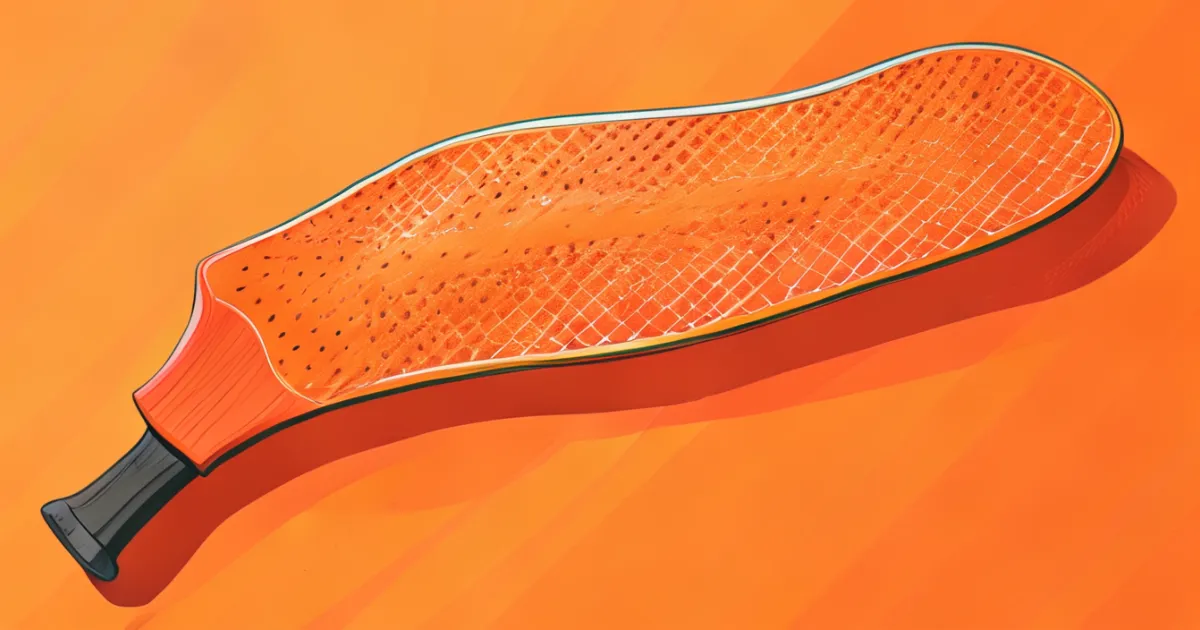
Fiberglass Pickleball Paddles
Complete guide to fiberglass pickleball paddles - power, control, and durability benefits for intermediate to advanced players seeking balanced performance.

Alex RiveraFriday, August 8, 2025
Why Fiberglass Pickleball Paddles Hit the Sweet Spot
Bottom line: Fiberglass pickleball paddles deliver the perfect balance of power and control for players ready to move beyond beginner gear but not yet committed to professional equipment. They're the Goldilocks choice—offering tournament-grade performance at a price point that won't make your wallet cry.
The magic of fiberglass lies in its construction. These paddles combine a fiberglass face with a polymer honeycomb core, creating what engineers call a "sandwich structure." The outer fiberglass layer provides that satisfying pop when you crush a drive, while the polymer core underneath absorbs shock and gives you the touch needed for delicate dinks. It's like having a sports car that can also handle grocery runs.
The Power-Play Advantage
Fiberglass surfaces excel at energy transfer. When the ball makes contact, the flexible fiberglass face bends slightly before snapping back—launching the ball with extra velocity without you swinging harder. This "trampoline effect" means players with average arm strength can still hit powerful shots that reach the baseline.
Professional players love this feature because it extends their offensive range. You can hit winners from deeper positions and put away high balls with confidence. For intermediate players developing power shots, fiberglass provides that extra margin for error while you're building technique.
Control That Doesn't Quit
Here's where fiberglass separates itself from pure power paddles: the material offers excellent ball feel. Unlike raw carbon fiber that can feel too stiff for some players, fiberglass gives you just enough flex to "hold" the ball on the paddle face for those crucial micro-seconds. This extra contact time translates directly into better placement control.
During kitchen play, this characteristic becomes a game-changer. Dinks stay low because you can absorb pace effectively. Third-shot drops land softly in the kitchen rather than sailing long. The responsive nature of fiberglass means you can adjust mid-swing—something you'll appreciate when your opponents keep you guessing with different shot types.
Built for the Long Haul
Durability is where fiberglass really shines in the paddle materials lineup. The woven construction resists dings and scratches that would mar softer surfaces. You can take a full-power swing and not worry about damaging the face if you accidentally hit the ground or net post. This toughness makes fiberglass paddles ideal for players who practice regularly or participate in multiple tournaments.
The material also handles different weather conditions remarkably well. Unlike some wood paddles that swell in humidity or carbon fiber that can feel cold and unforgiving in winter, fiberglass maintains consistent playing characteristics across seasons. Your touch shots won't suddenly disappear when the temperature drops.
Finding Your Fiberglass Match
Not all fiberglass paddles are created equal. The weight distribution varies significantly between models, affecting how the paddle feels during play. Lighter fiberglass paddles (under 8 ounces) prioritize maneuverability and quick reaction times, while heavier versions (8.3+ ounces) provide more power and stability.
Grip size deserves attention too. Most fiberglass paddles come in standard 4.25-inch handles, but manufacturers increasingly offer multiple grip sizes to match different hand dimensions. Getting this right matters—too small and you'll grip too tightly (causing arm fatigue), too large and you'll sacrifice wrist action needed for spin shots.
When Fiberglass Makes Perfect Sense
Fiberglass paddles excel for intermediate to advanced players who have developed basic stroke mechanics but want more offensive firepower. If you're consistently winning rallies at the beginner level but finding your shots lack punch against stronger opponents, fiberglass provides that missing ingredient.
These paddles also work beautifully for players transitioning from tennis or other racquet sports. The familiar power delivery helps bridge the gap while you adapt to pickleball's unique rhythm. The controlled flex feels more like tennis strings than ultra-stiff carbon alternatives, making the learning curve less steep.
Price vs. Performance Reality Check
Fiberglass paddles typically sit in that sweet spot between budget-friendly beginner gear and premium professional models. You're looking at a moderate investment that delivers substantial performance improvements. The question becomes: is this upgrade worth it for your game?
For players committed to improving and competing regularly, the answer is usually yes. The enhanced power and control can accelerate your development, helping you win more matches and progress faster. For occasional recreational players, beginner paddles might suffice longer. Consider how often you play and what your goals are before making the jump.
Maintenance That Extends Lifespan
Caring for your fiberglass paddle is straightforward but important. Regular cleaning with a damp cloth removes dirt and grime that can affect ball spin and control. Avoid harsh chemicals or abrasive scrubbers that might damage the surface finish.
Edge guards deserve special attention—they're the first line of defense against accidental impacts. Check them periodically for wear and replace if they become cracked or loose. A good edge guard costs far less than a new paddle and can save your fiberglass investment.
Storage matters too. Extreme temperatures can eventually affect the polymer core beneath the fiberglass face. Keep your paddle in a temperature-controlled environment rather than leaving it in a car during summer or winter. Your paddle will thank you with consistent performance.
The Right Time to Upgrade
How do you know when you've outgrown your current paddle? Look for these signs: your shots consistently fall short despite proper technique, you can't generate enough pace to keep opponents on the defensive, or you feel like you're working twice as hard as players with similar skill levels.
If you're experiencing these frustrations, a fiberglass paddle might be exactly what you need. Many intermediate players discover their game transforms overnight when they switch to the right equipment. Suddenly shots that required perfect timing become more forgiving, and strategic options expand because your paddle can actually execute what your brain wants.
Bottom line: Fiberglass pickleball paddles offer the ideal bridge between beginner limitations and professional demands. They provide enough power to compete seriously while maintaining the touch and control needed for sophisticated play. For players serious about improving their game, fiberglass represents the smartest upgrade path—one that delivers tournament-worthy performance without requiring tournament-level spending.
As you continue developing your skills, understanding how different paddle materials affect your game becomes crucial. But for now, fiberglass gives you the versatility to explore all aspects of pickleball without equipment limitations holding you back.