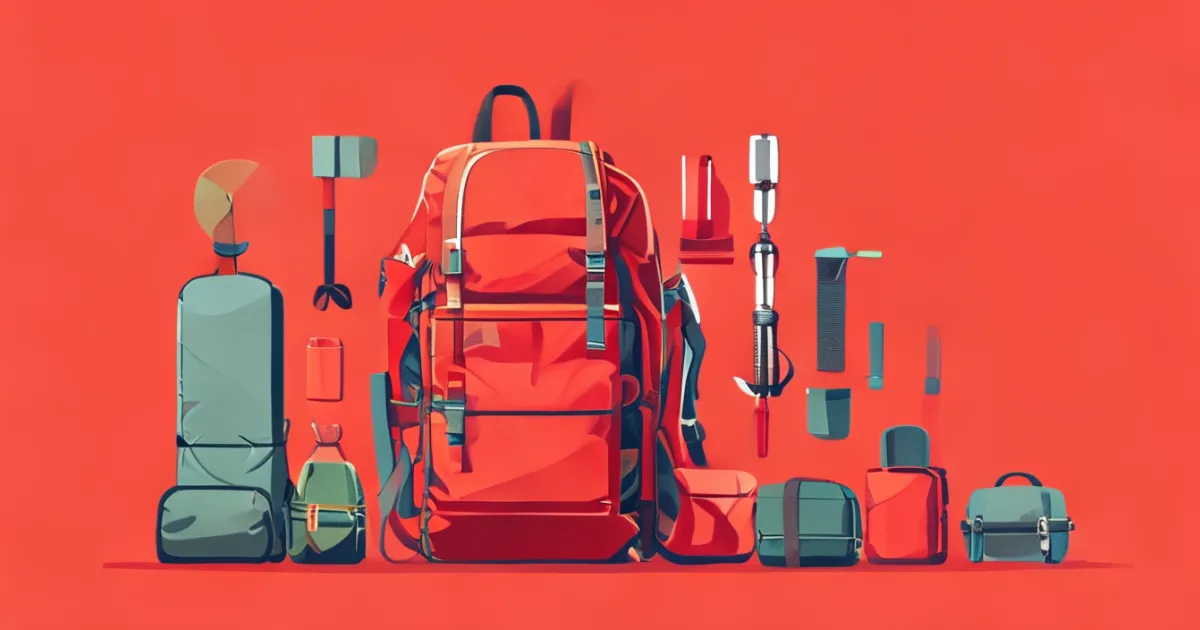
Ultimate Backpacking Packing System Guide
Build the perfect backpacking packing system with essential organizers and space-saving techniques for extended adventures on the trail.

Marco RossiTuesday, December 2, 2025
Creating the perfect backpacking packing system transforms outdoor adventures from challenging expeditions into seamless, enjoyable experiences. When your gear is organized efficiently, you spend less time searching for essential items and more time immersing yourself in the wilderness. The right organization system becomes the foundation of successful backpacking trips, whether you're embarking on a weekend excursion or a month-long thru-hike.
Core Principles of Backpacking Pack Organization
Understanding fundamental backpacking packing system principles ensures every item has its place and purpose. The most critical principle involves weight distribution—placing heavier items near your back and between your shoulder blades for optimal balance. This positioning maintains your center of gravity and prevents unnecessary strain during extended hiking sessions.
Accessibility represents another crucial consideration. Items you'll need frequently, such as snacks, water filters, or rain gear, should be easily reachable without unpacking your entire backpack. Less frequently used equipment, like sleeping bags or camp shoes, can be positioned deeper within your pack.
Weather protection stands as a non-negotiable element of any effective backpacking packing system. All essential gear must be protected from moisture through waterproof stuff sacks, pack liners, or dry bags. This protection extends beyond rain—morning dew, river crossings, and accidental submersion can all compromise unsecured equipment.
Essential Organizational Components for Backpackers
A comprehensive backpacking packing system relies on specialized components designed for outdoor use. Waterproof stuff sacks serve as the workhorses of backpacking organization, protecting sleeping bags, clothing, and electronics from moisture. These come in various sizes, allowing you to create multiple compartments within your main pack.
Compression sacks maximize space efficiency by reducing bulk items like sleeping bags or insulated jackets. Unlike simple stuff sacks, compression sacks feature straps that allow you to squeeze air out, creating more room for other essential gear while maintaining protection from the elements.
Internal pack organization pockets work in harmony with external organizers to create a cohesive system. Many modern backpacks feature integrated compartments specifically designed for hydration reservoirs, electronics, or tools. Understanding how to leverage these built-in features enhances your overall backpacking packing system efficiency.
Strategic Packing Sequences for Maximum Efficiency
The order in which you pack your items significantly impacts your backpacking packing system effectiveness. Begin by placing your sleeping bag at the bottom of your pack, as it's typically bulky but lightweight. This positioning creates a solid foundation while keeping weight low and centered.
Position your tent and other shelter components vertically against your back, maintaining balance and accessibility. Heavy cooking equipment and food should sit next to your spine, close to your shoulder blades. This strategic placement prevents the pack from pulling you backward and maintains natural hiking posture.
Reserve the top portion of your pack for frequently accessed items like rain jackets, first-aid kits, and snacks. Many experienced backpackers utilize exterior pockets for items needed while hiking, such as maps, navigation tools, or water bottles, keeping these essentials immediately available without stopping.
Specialized Systems for Different Backpacking Styles
Your backpacking packing system should adapt to your specific style of outdoor adventure. Ultralight backpackers prioritize minimalism, often using frameless packs with carefully selected, multi-purpose gear. Their organization focuses on reducing weight while maintaining essential functionality.
Traditional backpackers benefit from more comprehensive systems with dedicated compartments for specific gear categories. They typically carry more equipment, requiring robust organization solutions that maintain accessibility despite larger volumes. This style often incorporates specialized organizers for cooking systems, extensive first-aid kits, and varied clothing options.
Thru-hikers and long-distance trekkers develop backpacking packing systems optimized for repeated use over extended periods. Their organization emphasizes durability, quick setup and breakdown, and efficient resupply logistics. These systems often include external attachment points for gear that needs to dry or remain accessible during breaks.
Advanced Organization Techniques for Experienced Backpackers
Experienced outdoor enthusiasts refine their backpacking packing systems through advanced techniques that optimize every cubic inch of available space. The gear layering method involves creating micro-environments within your pack, grouping items by use case and protection needs.
Custom organization solutions often emerge from experience. Many backpackers modify their packs with additional pockets, custom dividers, or specialized attachment systems. These adaptations reflect personal preferences developed through countless trips in various conditions.
Multi-use item philosophy represents a sophisticated approach to backpacking organization. Selecting gear that serves multiple purposes reduces overall volume while maintaining functionality. This minimalist approach requires careful planning but results in streamlined, efficient backpacking packing systems.
Weather-Specific Adaptations for Your System
Different weather conditions demand specific adjustments to your backpacking packing system. In cold environments, insulation management becomes critical, requiring careful organization of layers and protection from moisture that could compromise warmth.
Rain gear accessibility becomes paramount in wet conditions. Your system must allow for rapid deployment of waterproof clothing without disrupting other essential items. This often involves external pockets or top-loading designs that prioritize quick access to weather protection.
Arid environments present different challenges, focusing on water storage and sun protection. Your backpacking packing system must accommodate larger water containers while maintaining balance and accessibility. Sunscreen, protective clothing, and cooling equipment require strategic positioning for frequent use throughout hot days.
Maintenance and Evolution of Your System
A successful backpacking packing system evolves through continuous refinement based on experience and changing needs. After each trip, assess your organization's effectiveness, identifying areas for improvement or adjustment. Regular maintenance ensures all components remain functional and reliable.
Clean and dry all organizers after use, preventing mold growth and material degradation. Check zippers, buckles, and attachment points for wear, repairing or replacing components as needed. This preventive maintenance extends the life of your system and prevents unexpected failures during critical moments.
Stay current with innovations in backpacking gear technology, as new organizational solutions may enhance your existing system. However, resist the temptation to constantly overhaul your organization—established systems that work reliably often outperform newer, unproven alternatives.
By developing a comprehensive backpacking packing system tailored to your specific needs, you create the foundation for countless successful outdoor adventures. The investment in thoughtful organization pays dividends through reduced stress, increased efficiency, and enhanced enjoyment of the natural world.