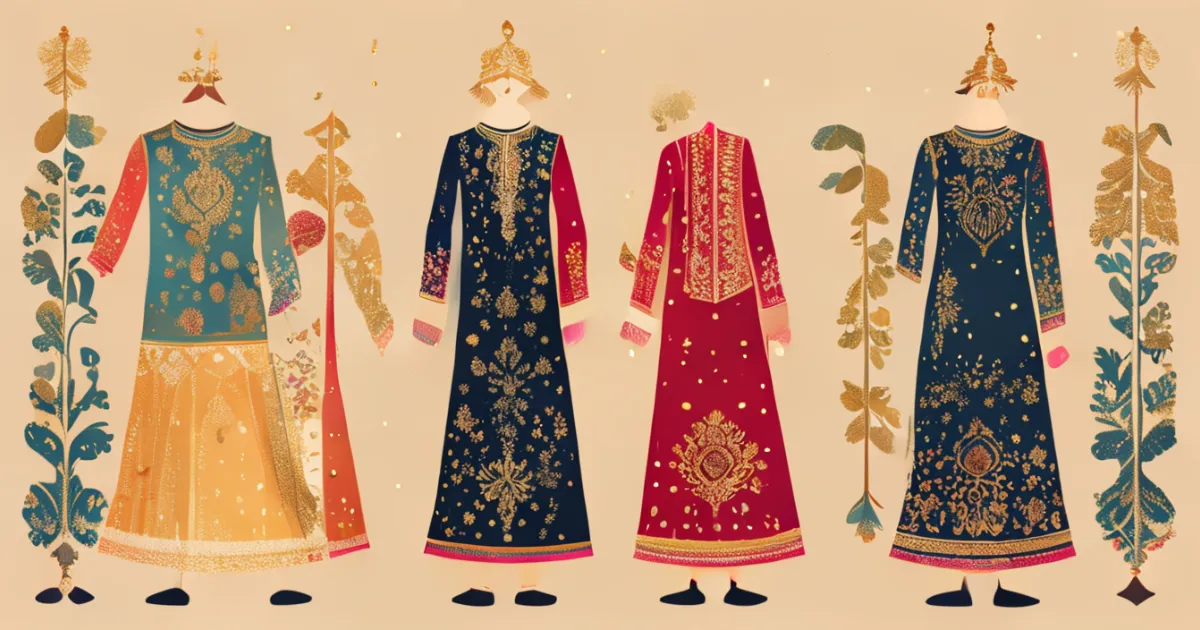
Kurta for Wedding Occasions: Festive Elegance Guide
Choose the perfect kurta for wedding celebrations with guidance on luxurious fabrics, ornate designs, and appropriate styling for festive occasions.

Isabel FerrerMonday, June 23, 2025
Weddings call for exceptional attire, and choosing the perfect kurta for wedding celebrations requires both cultural understanding and style sensibility. The right kurta for wedding occasions can transform your appearance while honoring tradition and showcasing personal taste. Whether you're attending as a guest, family member, or part of the wedding party, your outfit choice reflects both respect for the occasion and your aesthetic preferences.
Understanding Wedding Kurta Fabrics
The fabric choice significantly impacts how appropriate your kurta feels for wedding settings. Luxurious materials like silk, brocade, and velvet create immediate visual impact while ensuring comfort during extended celebrations. These fabrics naturally drape elegantly and catch light beautifully, making them ideal for evening receptions and formal ceremonies. Silk blend kurtas offer practical advantages—they maintain their shape throughout long events while providing breathability during dance performances and extended seating.
Brocade kurtas feature intricate metallic thread work that immediately signals celebratory intent. The raised patterns and subtle shimmer create depth and texture without overwhelming your overall look. Many modern designers now blend traditional brocade with contemporary cuts, creating pieces that feel both timeless and fresh. Velvet kurtas, particularly in deep jewel tones, offer unmatched richness and work exceptionally well for winter weddings or evening events.
Color Psychology for Wedding Attire
Color selection plays a crucial role when selecting a kurta for wedding occasions. Traditional auspicious colors like deep red, maroon, and gold remain popular choices for their cultural significance and photogenic qualities. However, modern celebrations increasingly embrace sophisticated palettes including emerald green, royal blue, and deep purple. These jewel tones complement various skin tones while photographing beautifully in different lighting conditions.
Consider the wedding's color scheme and time of day when making your selection. Morning and afternoon weddings suit lighter, brighter colors that reflect natural sunlight beautifully. Evening celebrations provide opportunities for deeper, more dramatic hues that create impact under artificial lighting. Metallic accents in gold or silver add festive sparkle without overwhelming your ensemble. When in doubt, rich jewel tones offer universal appeal and photograph exceptionally well across different lighting scenarios.
Embroidery and Embellishment Details
The level of ornamentation distinguishes wedding kurtas from everyday wear. Intricate embroidery techniques like zardozi, resham work, and mirror embellishments transform simple silhouettes into statement pieces. Zardozi, featuring metallic thread and precious stone accents, creates opulent texture suitable for the most formal wedding celebrations. This traditional craft adds three-dimensional quality that catches light beautifully during movement.
Resham embroidery offers sophisticated alternatives using silk threads to create elaborate patterns. This technique allows for intricate floral motifs, geometric patterns, and narrative scenes that showcase remarkable craftsmanship. Mirror work, particularly popular in certain regional styles, adds sparkle and movement to your outfit. Small, strategically placed mirrors create subtle light play during dance performances and photographs beautifully from all angles.
Silhouette Considerations for Wedding Settings
The cut and silhouette of your wedding kurta significantly impact your overall appearance and comfort. Longer silhouettes create more formal impressions, making them ideal for traditional ceremonies and evening receptions. Anarkali-style kurtas, with their flared bottoms, add drama and movement while remaining comfortable for extended wear. These styles work particularly well for dance performances and create graceful silhouettes in photographs.
Straight-cut kurtas offer sophisticated simplicity that allows fabric quality and embroidery to take center stage. This versatile style accommodates various body types and provides a clean canvas for ornate embellishments. Asymmetrical hemlines add contemporary edge while maintaining traditional elegance. Consider the wedding's formality level when selecting silhouette length—longer styles generally suit more formal occasions.
Styling Bottom Wear for Complete Ensembles
The perfect kurta for wedding occasions requires thoughtfully paired bottom wear. Traditional churidar pants create sleek, elegant lines that complement both simple and ornate kurtas. Their fitted style provides balance to voluminous tops and maintains clean silhouettes. For modern celebrations, well-tailored trousers offer sophisticated alternatives that maintain traditional elements while reflecting contemporary aesthetics.
Sherwani-style ensembles, featuring matching or contrasting bottom wear, create cohesive formal presentations suitable for wedding party members. These coordinated looks eliminate styling guesswork while ensuring appropriate formality levels. Consider comfort alongside appearance—bottom wear should allow for easy movement during prolonged celebrations, dance performances, and various ceremony positions.
Accessory Integration and Coordination
Accessories complete your wedding kurta ensemble while balancing overall visual impact. Traditional footwear like juttis or mojaris coordinates beautifully with ornate kurtas while maintaining cultural authenticity. These handcrafted shoes often feature embroidery that complements your main outfit, creating cohesive styling from head to toe.
Consider pocket squares, brooches, or traditional pins that enhance your outfit without overwhelming it. These accessories add personal touches while respecting the formal nature of wedding celebrations. When wearing heavily embellished kurtas, opt for simpler accessories to maintain visual balance. Conversely, simpler kurtas provide opportunities for more elaborate accessory choices that express personal style.
Regional Variations and Cultural Sensitivity
Different regions feature distinct kurta styles suited for wedding celebrations. Understanding these variations helps ensure appropriate attire while respecting cultural traditions. South Indian wedding kurtas often feature distinctive drape patterns and silk fabrics, while Punjabi styles incorporate vibrant colors and elaborate embroidery. Rajasthani designs might include mirror work and distinctive color combinations reflecting local heritage.
When attending weddings from different cultural backgrounds, research traditional expectations regarding color symbolism and appropriate attire levels. Some cultures reserve specific colors for family members or avoid certain hues during wedding celebrations. This cultural awareness demonstrates respect while ensuring your outfit choices align with celebration expectations.
Practical Considerations for Wedding Events
Wedding celebrations often span multiple hours and include various activities. Your kurta should accommodate extended sitting, standing, and potential dance participation without compromising comfort or appearance. Fabrics with natural breathability prevent discomfort during long ceremonies, while reinforced seams ensure durability throughout vigorous celebration.
Consider practical aspects like temperature control—layers allow adjustment for different venue conditions and celebration phases. Well-constructed pockets provide convenience without disrupting clean lines. Emergency repair kits containing safety pins and fabric glue prevent minor issues from becoming noticeable problems during important moments.
Making the Perfect Investment Choice
Quality kurta for wedding occasions represents investment pieces that may serve multiple future celebrations. Prioritizing craftsmanship ensures longevity while providing value beyond single-event use. Hand-embroidered pieces, while initially more expensive, often maintain their beauty and value better than machine-made alternatives.
When budgeting for wedding attire, consider cost-per-wear across potential future events. Classic designs in neutral colors offer greater versatility, while statement pieces in distinctive colors might serve specific celebration types. Proper storage and maintenance protect your investment, allowing these beautiful garments to maintain their appearance and significance for years to come.
Understanding these elements helps create confident, appropriate choices for kurta wedding occasions that honor tradition while expressing personal style. The right outfit enhances your celebration experience while showing respect for the couple and their cultural heritage.