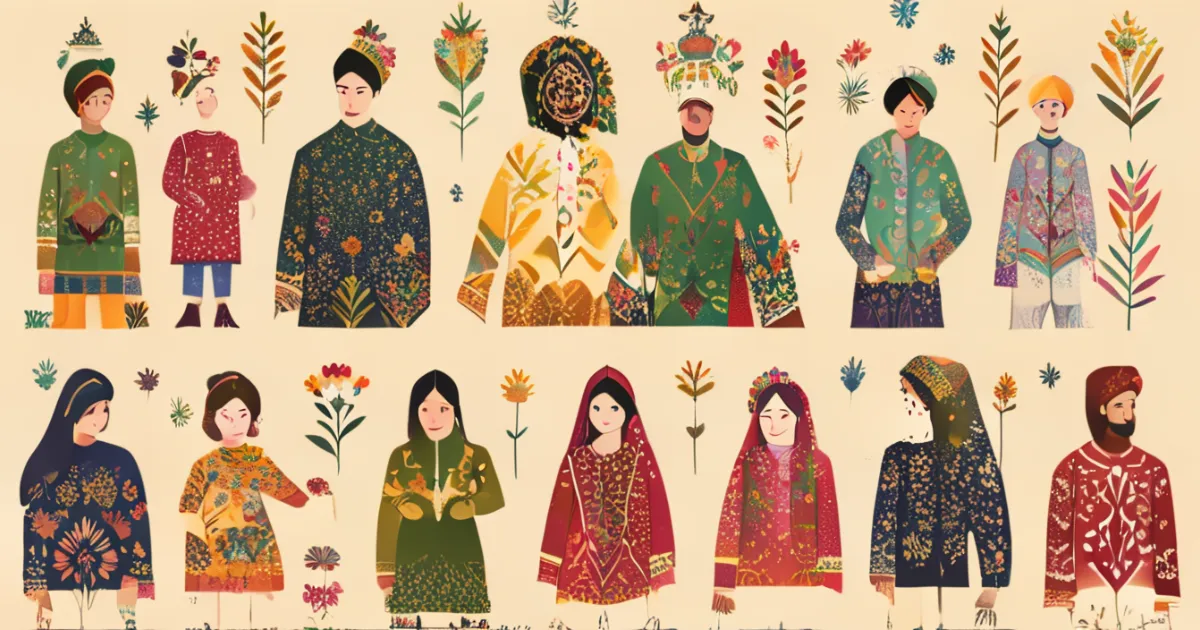
Ethnic Kurta Designs: Cultural Heritage in Modern Fashion
Discover authentic ethnic kurta designs that blend traditional craftsmanship with contemporary aesthetics for timeless South Asian style.

Isabel FerrerMonday, June 23, 2025
The beauty of ethnic kurta designs lies in their ability to tell stories through fabric, thread, and pattern. These traditional garments carry centuries of cultural heritage, each stitch representing a region's unique identity, artistic vision, and craftsmanship passed down through generations. When you explore authentic ethnic kurta designs, you're not just choosing clothing—you're embracing a living tradition that connects modern fashion with ancient wisdom.
Traditional ethnic kurta designs draw inspiration from diverse geographical regions across South Asia, each contributing distinctive elements that make these garments truly special. From the intricate Kashmiri embroidery featuring delicate chain stitches and floral motifs to the vibrant Rajasthani block prints with their geometric patterns and bold color combinations, these designs represent the rich tapestry of cultural diversity. The beauty of authentic ethnic patterns lies in their attention to detail and the stories they tell through symbolic representations of nature, spirituality, and daily life.
Understanding Regional Design Variations
The northern regions of South Asia contribute some of the most recognizable ethnic kurta designs, particularly known for their elaborate embroidery techniques. Kashmiri kurtas often feature fine chain stitch work called "aari" embroidery, creating intricate floral and paisley patterns that cascade across the fabric in delicate flowing designs. These pieces typically use soft, muted color palettes with occasional pops of vibrant thread, creating a sophisticated balance between tradition and contemporary appeal.
Moving eastward, Bengali ethnic kurta designs celebrate the region's rich textile heritage through hand-woven fabrics and traditional jamdani patterns. These designs often incorporate fine muslin cotton with geometric and nature-inspired motifs woven directly into the fabric rather than embroidered on top. The resulting effect is subtle yet refined, perfect for those who appreciate understated elegance combined with exceptional craftsmanship.
Southern Indian ethnic kurta designs showcase a different aesthetic entirely, often characterized by temple borders, golden zari work, and religious motifs. These designs frequently use richer color palettes with deep reds, royal blues, and emerald greens accented with gold or silver thread work. The traditional "kasavu" borders and intricate temple jewelry patterns create a regal appearance that's both timeless and culturally significant.
Sustainable Craftsmanship in Modern Fashion
One of the most compelling aspects of choosing authentic ethnic kurta designs is their inherent sustainability. These garments traditionally use natural dyes derived from plants, minerals, and other organic sources, creating rich, earthy color palettes that are both beautiful and environmentally responsible. The focus on hand embroidery and artisanal techniques means each piece requires significant time and skill to create, supporting local communities and preserving traditional crafts that might otherwise be lost to industrialization.
Many contemporary ethnic kurta designs now blend traditional techniques with modern silhouettes, creating versatile pieces that work equally well for casual wear and special occasions. The key is identifying designs that maintain authentic craftsmanship while offering the comfort and practicality needed for contemporary lifestyles. Look for pieces that feature traditional embroidery on modern cuts, or those that incorporate traditional patterns in updated color combinations that align with current fashion trends.
Choosing Quality Ethnic Kurta Designs
When selecting ethnic kurta designs, pay attention to the quality of craftsmanship and materials. Authentic pieces will typically feature hand-embroidered details rather than machine-made equivalents, with slight variations that highlight the human touch behind each stitch. The fabric should feel substantial yet comfortable, with natural fibers like cotton, silk, or linen providing the best foundation for traditional embroidery work.
Examine the patterns closely to understand their cultural significance and craftsmanship level. Fine, consistent stitching indicates skilled workmanship, while loose threads or uneven patterns may suggest rushed production. The color intensity should be consistent throughout, with traditional dyes creating subtle variations that add character rather than appearing flat or artificial.
Styling Ethnic Kurta Designs for Contemporary Wear
The versatility of ethnic kurta designs makes them valuable additions to any wardrobe, offering endless styling possibilities for various occasions. For casual daytime wear, pair simpler embroidered designs with comfortable bottoms and minimal accessories to let the kurta's craftsmanship shine. When dressing for special events, opt for pieces with more elaborate embroidery or richer fabrics, complemented by traditional jewelry and footwear that enhance the ethnic appeal.
The key to successful styling lies in balancing the kurta's traditional elements with modern pieces that create a cohesive, contemporary look. Consider pairing heavily embroidered ethnic kurta designs with simple, understated bottoms to avoid overwhelming the overall aesthetic, or choose minimalist kurtas and make a statement with accessories and footwear instead.
Preserving Traditional Craftsmanship
Supporting authentic ethnic kurta designs means investing in the preservation of traditional crafts and supporting artisan communities. When you choose handcrafted pieces over mass-produced alternatives, you're not just acquiring beautiful clothing—you're contributing to the continuation of cultural heritage and sustainable fashion practices. These pieces often become cherished wardrobe staples that tell stories and carry meaning beyond their aesthetic appeal.
By understanding the cultural significance, craftsmanship techniques, and styling possibilities of ethnic kurta designs, you can make informed choices that enhance your wardrobe while supporting sustainable, ethical fashion practices. The beauty of these traditional garments lies not just in their visual appeal, but in their ability to connect us with generations of artisans who have dedicated their lives to preserving and evolving these timeless crafts.