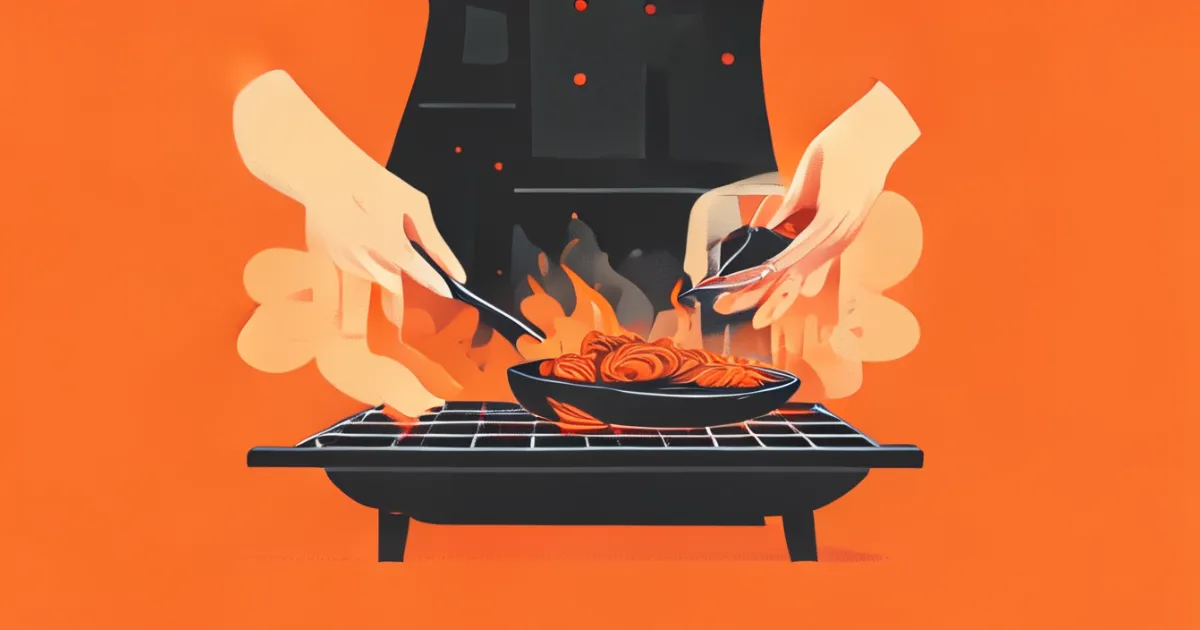
How to Cook Korean Barbecue: Complete Beginner's Guide
Learn the fundamental techniques for cooking Korean barbecue at home, including temperature control, meat preparation, and traditional serving methods.

Ivy ChenSunday, August 24, 2025
Learning how to cook korean barbecue at home opens up a world of bold flavors and satisfying cooking techniques that can transform weeknight dinners into special occasions. This complete beginner's guide breaks down everything you need to know for successful Korean barbecue cooking.
Understanding Korean Barbecue Fundamentals
Before diving into specific techniques, grasp the core principles that distinguish Korean barbecue from other grilling methods. This foundation ensures your approach honors traditional preparation while working within your home kitchen constraints.
Marinade philosophy centers on balancing five key flavors: sweet, salty, spicy, sour, and umami. Unlike Western barbecue that often emphasizes rubs and slow cooking, Korean barbecue typically relies on quick marinating and high-heat searing.
Meat preparation requires specific cuts and slicing techniques. Thin slicing is essential—meat should be no thicker than 1/8 inch for optimal cooking. This allows rapid cooking at high temperatures while maintaining tenderness.
Cooking temperature plays a crucial role in Korean barbecue. Most dishes require high, direct heat for quick searing that creates caramelized crusts while keeping interiors tender and juicy.
Essential Equipment Setup
Proper equipment preparation makes learning how to cook korean barbecue much more manageable. You don't need professional-grade gear, but these essentials significantly improve your results.
Heat source options vary based on your kitchen setup. Gas stoves offer excellent temperature control, while electric stoves work adequately with proper technique. Portable butane burners provide tableside cooking for authentic Korean barbecue experiences.
Grill surface selection impacts your results significantly. While traditional Korean barbecue uses charcoal or gas grills, quality cast iron or stainless steel pans work well for home cooking. Look for heavy, heat-retaining materials.
Ventilation considerations are often overlooked but crucial. Korean barbecue generates significant smoke from high-heat cooking and rendered fat. Use your kitchen ventilation system or cook near an open window when possible.
Preparation tools streamline your workflow. Long tongs, scissors for meat trimming, and multiple small bowls for marinades and side dishes keep your cooking station organized and efficient.
Step-by-Step Meat Preparation
Mastering meat preparation is fundamental to learning how to cook korean barbecue effectively. Follow these steps for perfect results every time.
Meat selection begins with choosing the right cuts. For beef, look for ribeye, sirloin, or short ribs with good marbling. Pork belly should have consistent fat layers, while chicken thighs work better than breast for their fat content and tenderness.
Partial freezing technique makes thin slicing manageable. Place meat in the freezer for 30-45 minutes until firm but not frozen solid. This firms up the texture for clean, uniform slices.
Slicing method requires a sharp knife and steady hand. Slice against the grain for beef, cut pork belly into uniform strips, and butterfly chicken thighs for even cooking. Consistent thickness ensures all pieces cook simultaneously.
Marinade application should be thorough but not overwhelming. Coat meat pieces evenly, ensuring complete coverage without excessive pooling. Remove excess marinade before cooking to prevent burning.
Mastering Basic Korean Barbecue Cooking Techniques
These fundamental techniques form the backbone of how to cook korean barbecue successfully at home. Practice each method until it becomes second nature.
Temperature management begins with proper preheating. Heat your pan for 5-8 minutes over medium-high heat until a water droplet dances and evaporates immediately. This indicates optimal searing temperature.
Placement strategy matters for even cooking. Arrange meat pieces in a single layer without overcrowding. Leave space between pieces for proper heat circulation and sear development.
Timing precision prevents overcooking. Most thin Korean barbecue cuts cook in 2-3 minutes total. Watch for color changes and avoid the temptation to walk away during cooking—Korean barbecue requires active attention.
Flipping technique uses minimal intervention. Let meat develop initial sear marks before flipping, usually after 60-90 seconds. Use tongs rather than forks to preserve juices and prevent piercing.
Resting period allows juices to redistribute. Transfer cooked meat to a clean plate and let it rest for 2-3 minutes before serving. This crucial step improves texture and flavor significantly.
Step-by-Step Bulgogi Cooking Process
Let's walk through cooking classic bulgogi, the perfect starting point for learning how to cook korean barbecue.
Preparation Phase:
- Remove marinated beef from refrigerator 30 minutes before cooking
- Pat excess marinade from meat pieces using paper towels
- Prepare your cooking surface and ensure proper ventilation
- Organize serving platters and side dishes
Cooking Sequence:
- Heat pan over medium-high heat until properly preheated
- Add a small amount of high-smoke-point oil if using stainless steel
- Place beef strips in a single layer without overcrowding
- Cook for 90 seconds until edges begin to brown
- Flip each piece and cook for an additional 60 seconds
- Transfer to serving plate immediately when done
Common Issues and Solutions:
- Excessive smoking: Reduce heat slightly and ensure proper ventilation
- Uneven cooking: Check meat thickness consistency and pan temperature evenness
- Sticking: Verify adequate preheating and consider additional oil if needed
Advanced Cooking Variations
Once you master basic techniques, expand your repertoire with these variations that demonstrate comprehensive understanding of how to cook korean barbecue.
Layered cooking involves combining different ingredients sequentially. Start with aromatic vegetables like garlic or onions, then add meats, finishing with quick-cooking items like mushrooms or bell peppers.
Basting techniques develop complex flavors. As meat cooks, brush additional marinade or sauce over pieces to build layered flavor profiles. Be careful not to add too much liquid during active cooking to maintain searing temperatures.
Temperature modulation creates varied textures. Some dishes benefit from starting high, then reducing heat for gentle finishing. This approach works well for thicker cuts or when cooking multiple ingredient types together.
Batch cooking management maintains quality when serving groups. Keep cooked meat warm on a separate platter while continuing to cook remaining pieces. This ensures everyone receives properly cooked meat at optimal temperature.
Essential Serving and Presentation Techniques
The final aspect of how to cook korean barbecue involves proper serving methods that complete the authentic experience.
Lettuce wrap assembly creates traditional Korean barbecue servings. Provide fresh lettuce leaves, cooked meat, rice, and various sauces for guests to create their own wraps. This interactive approach adds to the dining experience.
Side dish coordination enhances the meal. Balance rich, flavorful meats with fresh, crunchy vegetables and pickled items. This contrast prevents palate fatigue and creates complete nutritional profiles.
Temperature management affects enjoyment. Serve meat immediately after resting while still warm, but not hot enough to overwhelm delicate flavors. Cold side dishes provide refreshing contrast to hot proteins.
Portion control prevents waste. Korean barbecue dining typically involves multiple small servings rather than large individual portions. This approach allows guests to sample various preparations without overeating.
Troubleshooting Common Cooking Problems
Even experienced cooks encounter challenges when learning how to cook korean barbecue. Address these issues systematically for consistent results.
Uneven cooking usually stems from inconsistent meat thickness or heat distribution. Use a meat thermometer to verify doneness across different pieces and adjust your technique accordingly.
Excessive smoke indicates fat burning rather than meat searing. Reduce heat, ensure proper ventilation, and consider using leaner meat cuts until your technique improves.
Flavor inconsistencies often result from uneven marination. Take time to coat meat pieces thoroughly and allow adequate marinating time for full flavor development.
Texture problems typically relate to cooking time or temperature. Overcooked meat becomes tough, while undercooked pieces may be chewy. Practice timing and temperature control for optimal results.
Mastering how to cook korean barbecue combines technique, ingredient knowledge, and cultural understanding. Start with simple recipes like bulgogi, gradually expanding your repertoire as confidence grows. Remember that Korean barbecue is as much about the social cooking experience as the final results—embrace the learning process and enjoy sharing your creations with others.
With practice and attention to these fundamental principles, you'll develop the skills and intuition needed to create authentic Korean barbecue that rivals restaurant quality, bringing joy and delicious flavors to your home cooking adventures.