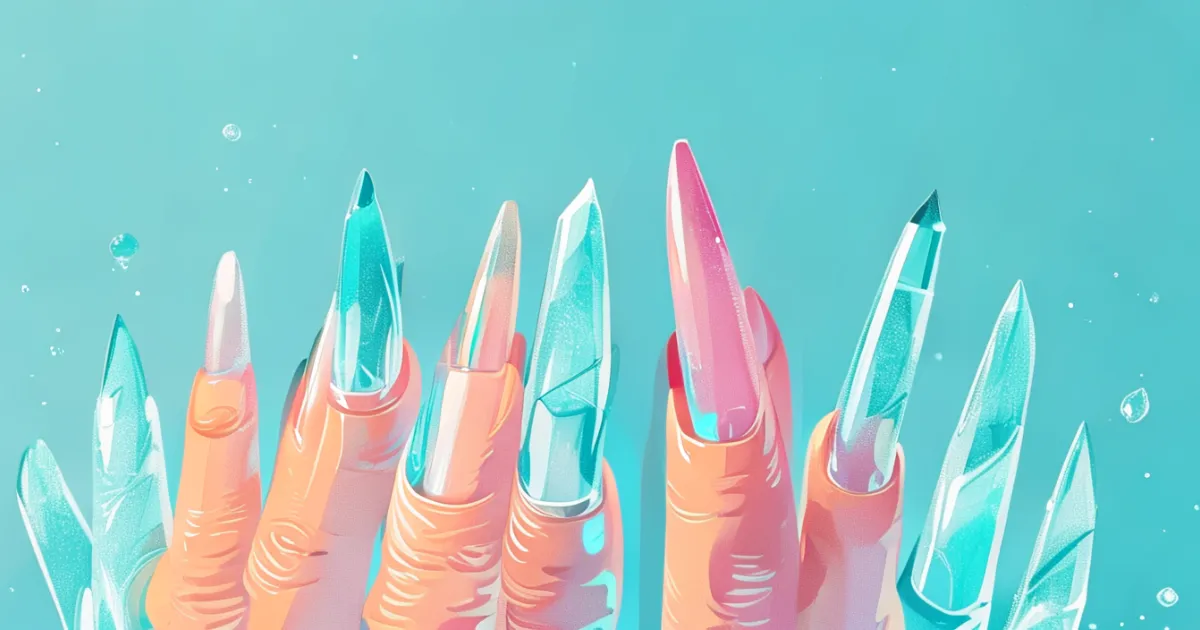
Glass Nail Art: Achieving the Perfect Glass-Like Finish
Master the art of creating glass-like nail designs with our comprehensive guide. Learn techniques for achieving crystal clear transparency and stunning glass effects in your nail art.

Tariq JonesSunday, August 24, 2025
Glass nail art represents the pinnacle of transparent manicure techniques, creating crystal-clear finishes that mimic the optical properties of actual glass through precise application and specialized products. This advanced form of jelly nail art demands exceptional skill and attention to detail, but results in breathtaking manicures that showcase the natural beauty of nails while adding dimension through carefully controlled transparency. The glass effect has become particularly sought after by those who appreciate sophisticated, high-end nail art that makes subtle yet powerful statements.
The foundation of exceptional glass nail art lies in perfect nail preparation. Unlike traditional manicures where minor imperfections can be hidden beneath opaque color, glass techniques reveal every detail of the natural nail surface. This means thorough filing, buffing, and cuticle care become non-negotiable steps. Most glass nail specialists recommend starting with a crystal clear base coat specifically formulated to enhance transparency, followed by meticulous dehydrating and priming to ensure flawless adhesion of subsequent transparent layers. The extra preparation time pays off dramatically in the final result's clarity and longevity.
Product selection becomes crucial in glass nail art, as not all transparent polishes are created equal. The best glass formulations contain specialized polymers that create exceptional clarity and reduce the typical cloudiness found in regular clear polishes. Many artists develop their own signature glass mixtures by combining multiple clear products with varying viscosity and refractive properties. The ideal glass nail polish flows smoothly without pooling, levels itself during application, and cures to a hardness that resists chipping while maintaining flexibility. Finding the perfect product combination often requires extensive experimentation and testing.
Application techniques for glass nail art differ significantly from traditional polish application. The key lies in applying thin, even layers that build gradually without creating thick areas that appear cloudy. Most glass artists use specialized brushes with fine, densely packed bristles that allow precise control over product distribution. The application angle matters too—holding the brush at a consistent 45-degree angle helps maintain uniform thickness across the nail surface. Some artists work under magnification to ensure absolute precision, especially when creating intricate glass designs that require multiple transparent colors.
Color theory plays a fascinating role in glass nail art, as transparent colors interact differently with light than their opaque counterparts. The same shade that appears vibrant in an opaque formulation might read as subtle when applied transparently. This characteristic allows for sophisticated color combinations that would be overwhelming in traditional polish. Many glass artists specialize in creating "color washes" that layer multiple transparent shades, building complex color relationships that shift and change depending on lighting conditions. The transparency also allows natural nail variations to show through, creating unique effects on each client.
Advanced glass nail art often incorporates specialized techniques like foil embedding, crystalline structures, and suspended elements. Thin metallic foils can be trapped between transparent layers, creating shimmering effects that catch light from different angles. Some artists create crystalline patterns using specialized clear gels that form geometric structures as they cure. The most ambitious glass designs even incorporate tiny suspended elements like micro-glitter or mineral fragments, creating three-dimensional effects within the transparent medium. These techniques require exceptional skill but produce results that truly blur the line between nail art and fine jewelry.
The drying and curing process becomes particularly critical in glass nail art. Ambient humidity, temperature, and air circulation all affect how transparent products level and set. Many glass specialists work in climate-controlled environments to ensure consistent results. UV curing, when used with gel-based glass products, must be carefully timed to prevent over-curing, which can create brittleness or yellowing. Rushing any stage of the glass nail art process typically results in disappointing clarity or premature wear, making patience the most important tool in any glass artist's toolkit.
Maintenance routines for glass nail art require more attention than traditional manicures due to the enhanced visibility of wear and tear. Small chips that might go unnoticed on opaque nails become apparent in glass designs, necessitating more frequent touch-ups. However, the advantage lies in the ease of repair—most glass damage can be blended seamlessly with additional transparent product. Regular application of cuticle oil and protective top coats helps maintain the crystal clarity that defines quality glass nail art. Many clients find the maintenance requirements worthwhile for the sophisticated aesthetic that glass manicures provide.
The business side of glass nail art has flourished as demand for these specialized services has grown. Premium nail salons now offer dedicated glass nail services with pricing that reflects the additional time and skill required. Some artists have built entire businesses around glass nail art, developing proprietary techniques and product formulations that set them apart in the market. The exclusivity and complexity of glass nail art has created a luxury segment within the nail industry, with clients willing to pay premium prices for exceptional glass manicures that last longer and look more sophisticated than traditional alternatives.
Training and education in glass nail art have evolved alongside growing demand. What began as self-taught experimentation among pioneering artists has developed into structured certification programs that teach systematic approaches to glass techniques. These programs cover everything from product chemistry to advanced application methods, ensuring consistent quality across the industry. Many glass nail artists also participate in ongoing research and development, collaborating with manufacturers to create new products specifically designed for glass nail art applications.
The future of glass nail art looks increasingly sophisticated, with technological advances enabling even greater clarity and durability. New polymer formulations promise enhanced scratch resistance without sacrificing transparency, while innovative application tools make precise glass techniques more accessible to technicians. Some artists are experimenting with incorporating smart materials that respond to temperature or light changes, creating interactive glass nail designs that evolve throughout the day. As the art form continues to mature, we're likely to see glass nail art becoming increasingly integrated with other beauty technologies and luxury services.
Action step: This month, challenge yourself to master one fundamental glass nail art technique by dedicating practice time to perfecting your clear base application. Start with simple single-color glass manicures on practice tips, focusing on achieving absolute clarity without bubbles or streaks. Document your progress with before-and-after photos, noting what tools, products, and environmental conditions produce the best results. Once you've achieved consistent clarity with single colors, progress to incorporating a second transparent color using the layering techniques you've learned.