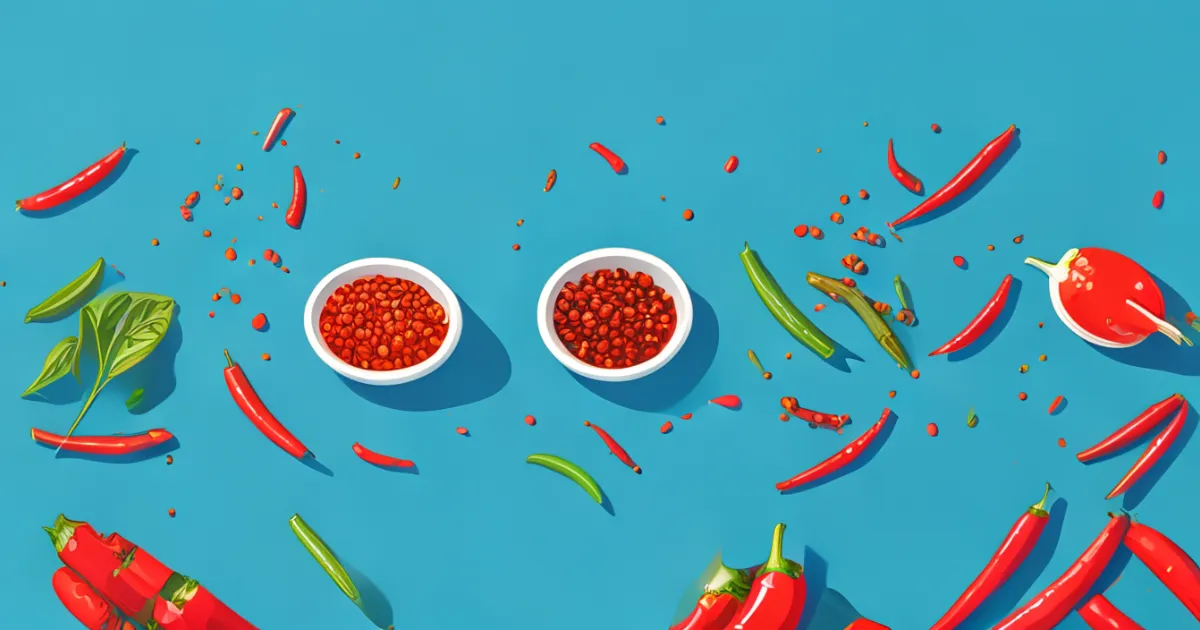
Korean Chili Flakes: Complete Beginner's Guide
Everything you need to know about Korean chili flakes (gochugaru). Learn the differences between fine and coarse varieties, their unique flavor profile, and why they're essential for authentic Korean cooking.

Lena MartinezTuesday, June 17, 2025
What Makes Korean Chili Flakes Special
Korean chili flakes, known as gochugaru, represent the cornerstone of authentic Korean cuisine. Unlike standard red pepper flakes you might find in pizza parlors, Korean chili flakes offer a complex flavor profile that balances mild heat with subtle sweetness and deep smoky undertones. This unique combination makes them indispensable for traditional dishes like kimchi, gochujang, and tteokbokki. The distinct characteristics of gochugaru stem from specific Korean chili varieties that are carefully harvested, dried, and processed to preserve their vibrant color and nuanced flavor.
The journey of Korean chili flakes from field to kitchen involves meticulous attention to detail. Farmers select particular pepper varieties known for their thin flesh and moderate heat levels. These chilies are typically sun-dried for weeks, allowing them to develop their signature deep red color without the bitter notes that can come from artificial drying methods. Once properly dried, the chilies are ground into flakes of varying textures, from fine powder to coarse crushed pieces, each serving different culinary purposes in Korean cooking.
Understanding Texture Variations
The texture of Korean chili flakes significantly impacts their role in recipes. Fine-ground gochugaru dissolves easily into sauces and marinades, providing consistent color and heat distribution throughout the dish. This finely milled version works particularly well for creating smooth banchan (side dishes) and for seasoning soups where you want the spice to integrate seamlessly without adding texture. The fine variety also creates that brilliant red hue traditionally associated with Korean barbecue marinades and dipping sauces.
Coarse gochugaru, on the other hand, offers more than just flavor—it brings texture and visual appeal to your cooking. The larger flakes create pockets of concentrated flavor and provide a pleasant crunch that can elevate simple dishes. When making kimchi, many Korean home cooks prefer coarse varieties because they create beautiful red flecks throughout the fermented cabbage while maintaining their structural integrity during the fermentation process. This texture difference is why many Korean households stock both varieties in their pantries, using them interchangeably based on the specific requirements of each recipe.
Flavor Profile and Heat Levels
One of the most distinctive aspects of Korean chili flakes is their remarkably balanced flavor profile. Unlike many Western chili products that prioritize raw heat, gochugaru delivers a gentle warmth that enhances rather than overwhelms other ingredients. The Scoville heat units typically range from 1,500 to 8,000, making them significantly milder than cayenne pepper but more complex than sweet paprika. This moderate heat level allows you to use generous amounts without worrying about making dishes intolerably spicy.
The flavor journey of gochugaru begins with a subtle sweetness that emerges first on the palate, followed by a gradual build-up of warmth that never becomes aggressive. Many people describe detecting hints of smokiness and even faint floral notes, especially in premium varieties made from specific pepper cultivars. This complexity makes Korean chili flakes incredibly versatile—they work equally well in meat marinades, vegetable dishes, and even unexpected applications like roasted nuts or popcorn seasoning. The balanced flavor profile ensures that gochugaru complements rather than dominates the other ingredients in your Korean cooking.
Essential Culinary Applications
Korean chili flakes form the foundation of countless beloved Korean dishes. In kimchi making, they provide the characteristic red color and subtle heat that defines this iconic fermented food. The flakes interact with salt and fermentation to create complex flavor compounds that develop over weeks or months of aging. For homemade kimchi, coarse gochugaru is often preferred because it maintains its texture throughout the fermentation process, creating visually appealing red specks in the finished product.
Beyond kimchi, Korean chili flakes shine in soups and stews like kimchi jjigae and tteokbokki, where they dissolve into the broth, creating rich, flavorful bases. In Korean barbecue marinades, gochugaru works alongside soy sauce, garlic, and ginger to create the perfect balance of sweet, salty, and spicy notes that make Korean grilled meat so addictive. The flakes also feature prominently in namul (Korean vegetable side dishes), where they add gentle heat and beautiful color to blanched or sautéed vegetables seasoned with sesame oil and soy sauce.
Storage and Quality Considerations
Proper storage of Korean chili flakes ensures they maintain their vibrant color and flavor potency over time. The key enemies of gochugaru are moisture, light, and heat—all of which can cause the flakes to fade and lose their characteristic aroma. Store your chili flakes in airtight containers away from direct sunlight, preferably in a cool, dark pantry or cupboard. When stored properly, high-quality gochugaru can maintain its peak flavor for up to a year, though many Korean home cooks use them much more frequently given their central role in daily cooking.
When shopping for Korean chili flakes, pay attention to color, aroma, and texture. Premium gochugaru should display a vibrant, uniform red color without brown or yellow spots, which can indicate improper drying or age. The aroma should be fresh and slightly sweet, without any musty or dusty notes. Avoid products that appear dull or have clumped together, as this suggests moisture exposure. While Korean grocery stores offer the most authentic selections, many online retailers now carry high-quality gochugaru that rivals what you'd find in Seoul markets.
Integration Into Your Cooking
Incorporating Korean chili flakes into your cooking repertoire opens up a world of authentic Korean flavors. Start by experimenting with small amounts in dishes you already enjoy—sprinkle some over roasted vegetables, add a pinch to your scrambled eggs, or use it to season roasted nuts for a Korean-inspired snack. The gentle heat and complex flavor profile make gochugaru more versatile than you might initially expect, working well beyond traditional Korean recipes.
For those new to Korean cooking, begin with dishes where the chili flakes play a supporting rather than starring role. This approach allows you to appreciate how gochugaru enhances other flavors without overwhelming your palate. As you become more comfortable with the ingredient, you can gradually increase the quantities and explore more ambitious projects like homemade kimchi or gochujang. Remember that Korean cooking values balance over intensity—your goal should be to create harmony among flavors, with gochugaru contributing its unique warmth and color to the overall composition.