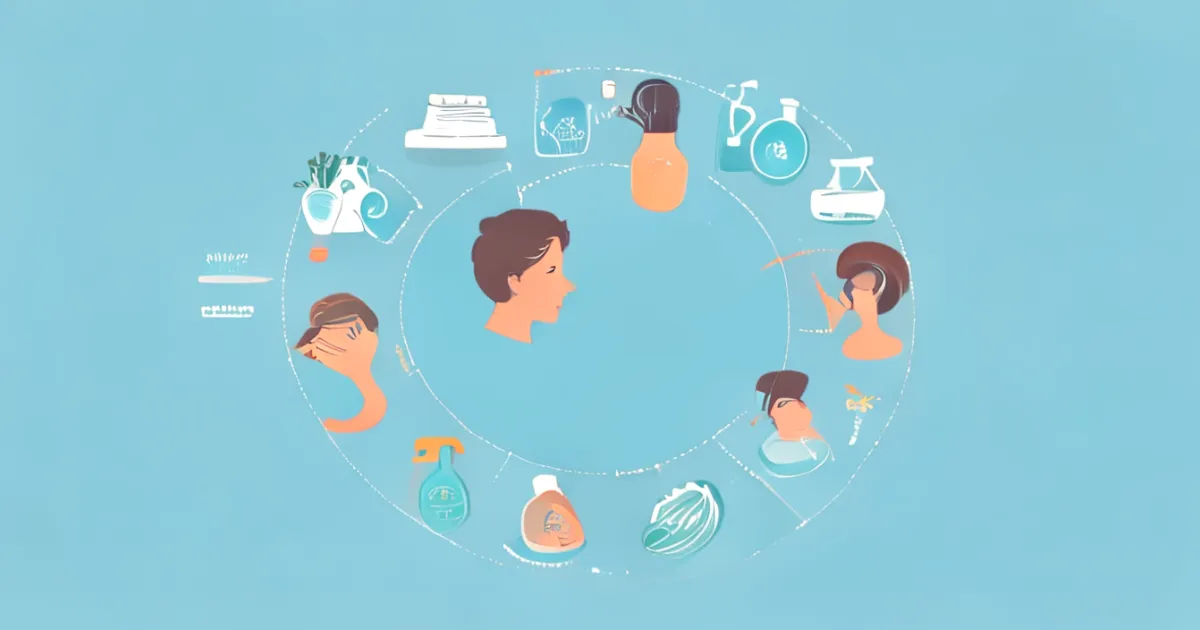
Glueless Wig Maintenance and Care: Complete Longevity Guide
Essential care routine for extending the life of your glueless wigs. Learn washing techniques, storage methods, and maintenance schedules for human hair and synthetic options.

Lena MartinezFriday, January 24, 2025
Caring for your glueless wig doesn't have to feel overwhelming or time-consuming. With a few simple habits and the right techniques, you can keep your wig looking beautiful while extending its life significantly. Let's walk through a manageable maintenance routine that works for both busy schedules and detailed care approaches.
Establishing Your Washing Routine
You don't need to wash your glueless wig after every wear. Instead, develop a schedule based on how frequently you wear it and your lifestyle. Daily wearers typically benefit from washing every 2-3 weeks, while occasional wearers might go 6-8 weeks between washes. The key is paying attention to how the wig feels and looks—if it feels heavy or appears dull, it's probably time for a wash.
When washing day arrives, start by gently detangling your wig from ends to roots using a wide-tooth comb. Fill a basin with cool water and add a small amount of sulfate-free shampoo specifically formulated for wigs. Submerge your wig and gently swish it through the water—avoid rubbing or twisting, which can damage both the hair fibers and the delicate lace front.
Deep Conditioning Techniques
After shampooing, apply a generous amount of conditioner, focusing on the mid-lengths and ends where hair is most prone to dryness. For human hair wigs, you can use a deep conditioning treatment once monthly to restore moisture and manageability. Synthetic wigs benefit from lightweight leave-in conditioners specifically designed for synthetic fibers.
Let the conditioner sit for 5-10 minutes before rinsing with cool water. This brief wait time allows the product to penetrate the hair shaft without overwhelming the wig cap. Rinse thoroughly but gently until water runs clear—any residue left behind can cause buildup and affect the wig's appearance over time.
Proper Drying Methods
How you dry your glueless wig significantly impacts its longevity and appearance. Never wring or twist your wig to remove excess water. Instead, gently blot with a microfiber towel, patting rather than rubbing. Press the towel against the wig in sections to absorb water without disrupting the hair pattern.
Place your wig on a folding wig stand to air dry naturally. Avoid using direct heat sources like hair dryers, blowers, or sunlight exposure—even heat-resistant wigs maintain their best appearance when air-dried. Position the stand away from direct airflow or heating vents, and let the wig dry completely before styling or storage. This process typically takes 12-24 hours depending on humidity and wig density.
Daily Maintenance Habits
Small daily habits make a big difference in your wig's appearance and lifespan. At the end of each wearing day, gently brush your wig starting from the ends and working toward the roots. This prevents tangles and matting while maintaining the wig's style. For longer wigs, consider sectioning the hair and brushing each portion separately to ensure thorough detangling.
Store your wig on a wig stand or in its original packaging when not in use. This prevents the wig cap from losing its shape and protects the delicate lace front. If you travel frequently, invest in a protective wig case that prevents crushing and tangling during transport.
Troubleshooting Common Issues
Even with the best care, you might encounter some common wig concerns. For tangled ends, apply a small amount of wig-safe detangling spray and gently work through knots using your fingers before brushing. If your wig loses some luster, a lightweight silicone-based serum can restore shine—apply sparingly to avoid buildup.
For lace front maintenance, regularly check the elastic band and adjusters for wear. Clean the lace area with gentle soap and water monthly to remove oil and product buildup. If you notice fraying along the lace edges, clear nail polish applied carefully can help prevent further damage until professional repair is possible.
Seasonal Adjustments
Your wig care routine might need adjustments based on seasonal changes. During humid summer months, consider more frequent washing to combat moisture-related frizz and buildup. Winter's dry air might require additional conditioning treatments to maintain moisture balance. Pay attention to how your wig responds to environmental changes and adapt your routine accordingly.
Understanding proper wig installation methods can also impact maintenance needs. A secure, properly fitted wig experiences less friction and movement, which reduces tangling and stress on both the hair fibers and cap construction.
Remember that wig maintenance is about developing consistent habits rather than perfect execution. Some days you'll have time for detailed care, while other days might require quick, simple maintenance. Both approaches are valid, and your wig will benefit from any attention you provide. The goal is creating a sustainable routine that works with your lifestyle while keeping your glueless wig looking its best for as long as possible.