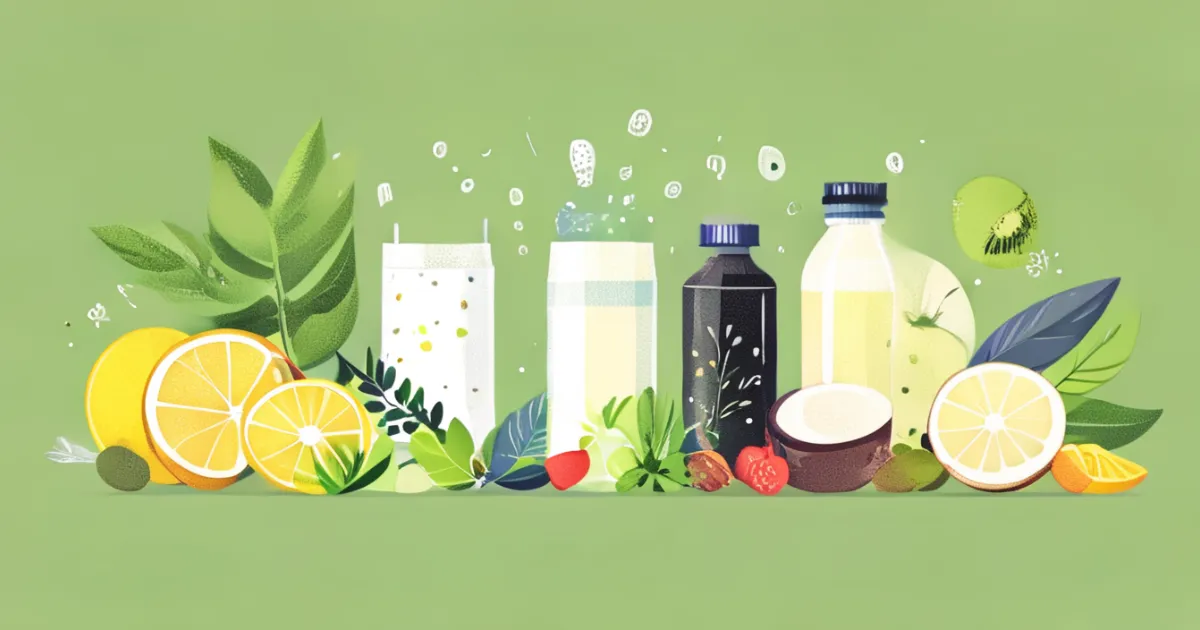
Natural Electrolyte Drinks Without Sugar: Healthy Alternatives
Discover sugar-free natural electrolyte drink options, including coconut water, fruit infusions, and homemade recipes for healthy hydration without added sugars.

Lena MartinezTuesday, June 17, 2025
Natural Electrolyte Drinks Without Sugar: Healthy Alternatives
When you're searching for hydration solutions without the sweet stuff, you're not alone. Many people are discovering that natural electrolyte drinks without sugar can provide the same mineral replenishment as their sugary counterparts, minus the crash and empty calories. Let's explore the science-backed options that keep you hydrated naturally.
Why Sugar-Free Electrolyte Drinks Matter
Your body loses essential minerals through sweat, exercise, illness, or even daily activities. Electrolytes like sodium, potassium, magnesium, and calcium are crucial for nerve function, muscle contractions, and fluid balance. The problem? Most commercial sports drinks pack more sugar than you need, potentially undermining your health goals.
Research shows that excessive sugar consumption during exercise can actually slow down hydration absorption. When you choose sugar-free electrolyte alternatives, you're getting straight to what your body actually needs: minerals for proper function.
Coconut Water: Nature's Sports Drink
Coconut water has earned its reputation as a natural hydration powerhouse. A single cup contains approximately:
- 600mg potassium (more than a banana)
- 252mg sodium
- 60mg magnesium
- 57mg calcium
What makes coconut water special is its natural electrolyte profile that closely matches your body's needs. Unlike processed drinks, coconut water provides minerals in their most bioavailable form. It's naturally sweet but contains far less sugar than traditional sports drinks—about 6 grams per cup compared to 14+ grams in many commercial options.
The secret lies in its isotonic properties, meaning it has a similar concentration of dissolved particles as your blood. This allows for rapid absorption and quick rehydration without digestive distress.
Homemade Fruit-Infused Electrolyte Waters
Creating your own natural electrolyte drinks is simpler than you might think. The key is combining mineral-rich ingredients with proper ratios for optimal absorption.
Citrus and Sea Salt Blend
- 4 cups water
- Juice of 1 lemon (29mg potassium)
- Juice of 1 orange (237mg potassium)
- 1/4 teaspoon sea salt (provides sodium and trace minerals)
This simple combination delivers essential electrolytes while the citrus provides natural flavor and vitamin C. The slight saltiness might seem unusual, but it's crucial for proper fluid retention and nerve function.
Berry and Mineral Water
- 4 cups water
- 1/2 cup mixed berries (potassium-rich)
- 1/4 teaspoon himalayan pink salt
- Fresh mint leaves for flavor
Berries not only add natural sweetness but also contribute additional minerals and antioxidants. This combination works particularly well after moderate exercise or during hot weather.
Herbal and Vegetable-Based Hydration
Beyond fruits, several vegetables and herbs offer impressive electrolyte profiles:
Cucumber and Mint Infusion Cucumbers are 96% water and contain silica, potassium, and magnesium. When combined with fresh mint, you get a refreshing drink that naturally supports hydration. The minerals in cucumber work synergistically with other electrolyte sources.
Celery and Lime Water Four celery stalks provide significant amounts of sodium, potassium, and calcium. When juiced and mixed with water and fresh lime juice, you create a savory yet palatable electrolyte drink without any added sugar.
The key advantage of vegetable-based options is their lower sugar content compared to fruits, making them ideal for people monitoring their carbohydrate intake or following specific dietary protocols.
Traditional and Cultural Electrolyte Solutions
Many cultures have long-standing traditions of natural electrolyte replacement that modern science is now validating:
Buttermilk and Lassi Traditional Indian beverages like buttermilk and lassi have been used for centuries to combat heat and dehydration. They naturally contain electrolytes from milk, along with probiotics that support gut health during digestive stress.
Mexican Agua Frescas Traditional Mexican aguas frescas made with watermelon, lime, and a pinch of sea salt provide natural electrolytes without added sugars. Watermelon is particularly rich in potassium and water content, making it an excellent base for hydration drinks.
Understanding Proper Ratios
Creating effective natural electrolyte drinks without sugar requires attention to mineral ratios. The ideal balance for most people is:
- Sodium: 200-400mg per liter
- Potassium: 300-600mg per liter
- Magnesium: 30-50mg per liter
- Calcium: 50-100mg per liter
These ratios mimic your body's natural electrolyte composition and ensure optimal absorption. Too much of one mineral can interfere with the absorption of others, which is why whole food sources often work better than isolated supplements.
When to Choose Natural Options
Natural electrolyte drinks shine in specific situations:
- Light to moderate exercise (under 90 minutes)
- Daily hydration maintenance
- Illness recovery (especially digestive issues)
- Hot weather exposure
- Low-sugar dietary requirements
For intense, prolonged exercise lasting over 90 minutes, you might need additional carbohydrates for energy. However, even in these cases, natural carbohydrate sources like dates or honey can provide the necessary fuel without processed sugars.
Avoiding Common Pitfalls
Not all "natural" drinks are created equal. Watch out for:
- Fruit juices marketed as healthy but containing concentrated sugars
- "Vitamin waters" with artificial sweeteners and additives
- Coconut water blends with added sugars or flavorings
- Store-bought "natural" drinks with hidden sweeteners
Always read labels carefully. The best natural electrolyte drinks without sugar have ingredients you recognize and can pronounce.
Making It Work for Your Lifestyle
The beauty of natural electrolyte solutions is their adaptability to your preferences and needs. Start with simple recipes and adjust based on:
- Taste preferences (some people prefer savory, others sweet)
- Activity levels (more intense exercise requires more minerals)
- Climate conditions (hot weather increases electrolyte needs)
- Personal health goals (weight management, blood sugar concerns, etc.)
The Bottom Line
Natural electrolyte drinks without sugar offer a clean, effective way to stay hydrated without the drawbacks of processed alternatives. By choosing whole food sources like coconut water, fresh fruits, vegetables, and herbs, you're providing your body with minerals in their most natural form.
Remember that hydration is personal. What works for someone else might need tweaking for your body. Start with these natural alternatives, listen to how you feel, and adjust accordingly. The goal isn't just to replace what you lose—it's to support your body's optimal function with the cleanest fuel possible.
Your journey to better hydration doesn't require expensive supplements or complicated formulas. Sometimes the most effective solutions are the ones nature has provided all along.
Explore homemade electrolyte water recipes for more detailed preparation methods and discover how electrolyte water compares to traditional sports drinks to make informed choices about your hydration strategy.