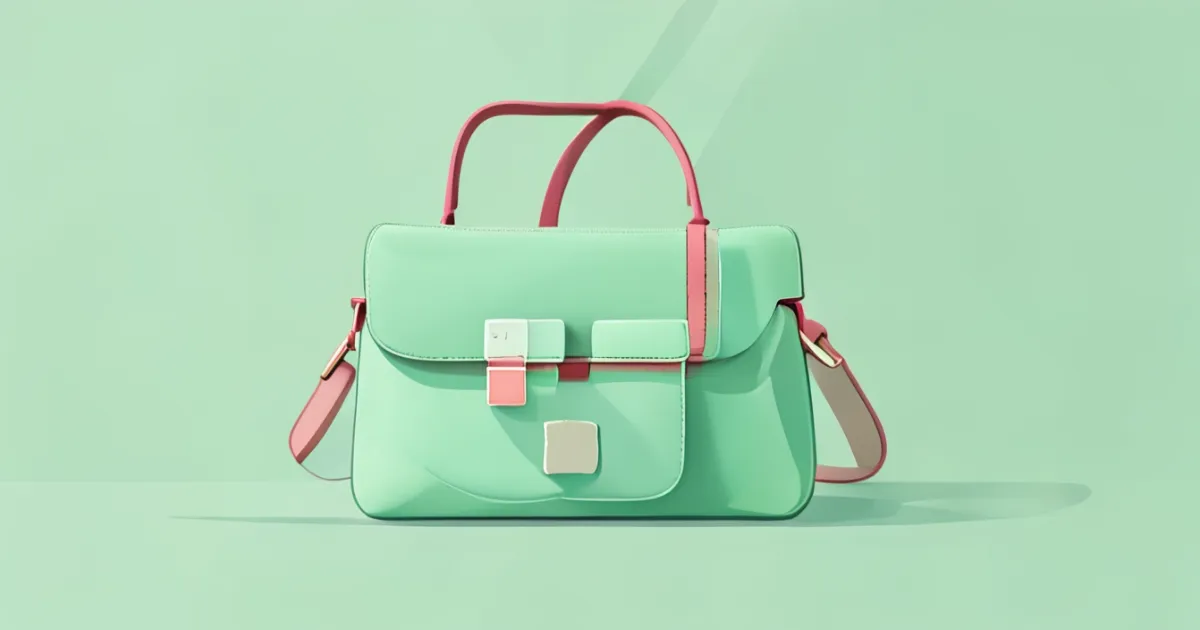
Crossbody Phone Bag: Minimalist Essential Carrier
Explore compact crossbody phone bags designed for modern digital life. Perfect for carrying your phone, cards, and small essentials while staying hands-free.

Naomi ParkTuesday, June 17, 2025
The Crossbody Phone Bag: Minimalist Essential Carrier
Here's a scenario that probably sounds familiar: you're heading out for a quick errand, but your pockets are already full, or maybe your outfit simply doesn't have pockets at all. Your phone feels too vulnerable in your hand, and a full-sized bag is overkill for this 15-minute trip. Enter the crossbody phone bag—the minimalist solution to carrying just the essentials while keeping your hands free.
But before we dismiss this as another overly specific accessory, let's examine why these compact carriers have evolved from niche products to mainstream essentials. The answer lies in our changing relationship with technology, fashion, and the increasing demand for minimalism without sacrificing functionality.
Why Phone Bags Became Essential
The rise of crossbody phone bags isn't just about convenience—it's about adapting to how we live now. Consider these shifts that have made these carriers increasingly necessary:
Smartphone Evolution: Modern smartphones are larger, more expensive, and more integral to our daily lives than ever before. They're no longer just communication devices but cameras, payment systems, navigation tools, and entertainment hubs. Losing or damaging one is far more disruptive than it was a decade ago.
Fashion Trends: The popularity of pocketless clothing, especially in women's fashion, has created a genuine need for alternative carry solutions. Athleisure wear, dresses, and streamlined silhouettes often prioritize aesthetics over practical pocket space.
Contactless Everything: With the shift toward contactless payments, digital passes, and QR code menus, our phones have become even more essential for daily activities. Having them readily accessible isn't just convenient—it's becoming mandatory.
Security Concerns: Increased awareness of phone theft and digital security has made carrying phones in less secure ways (like loose pockets or exposed hands) riskier than before.
What Makes a Great Phone Bag?
After testing dozens of designs and interviewing regular users, I've identified several key factors that separate truly functional phone bags from those that end up unused in a drawer:
The Right Fit: This is crucial. Your phone should fit snugly but not tightly, with easy insertion and removal. Look for bags specifically sized for your phone model or adjustable designs with elastic panels or flexible materials.
Secure Access: The most frustrating phone bag experience is dropping your phone while trying to remove it. Look for wide openings, secure closure systems that don't obstruct access, and designs that allow one-handed operation when possible.
Protection Without Bulk: Your phone bag should protect your device from scratches and minor impacts without adding excessive bulk. Water-resistant materials and soft interiors are essential, but avoid overly padded designs that defeat the minimalist purpose.
Additional Capacity: Even minimalist carriers should accommodate more than just your phone. Card slots for essential IDs and payment cards, a small compartment for keys, and space for lip balm or hand sanitizer transform a phone carrier from good to great.
Material Considerations: Form Meets Function
The materials used in phone bags significantly impact their performance, durability, and aesthetic appeal. Here's what works best for different priorities:
Premium Leather: Offers excellent durability and develops a beautiful patina over time. Leather provides good protection against minor impacts and scratches while maintaining a slim profile. However, it requires care and may not be ideal for wet conditions.
Synthetic Materials: Modern synthetic materials can offer excellent water resistance, durability, and lighter weight at a lower cost point. Look for high-quality vegan leather or technical fabrics with good abrasion resistance.
Neoprene and Stretch Fabrics: These offer excellent phone protection with flexible sizing that accommodates different phone cases or multiple devices. The stretch allows for easy access while keeping phones secure.
Mixed Material Construction: The best phone bags often combine materials strategically—perhaps a durable exterior with a soft, scratch-resistant lining, or reinforced panels in high-wear areas with flexible materials elsewhere.
Design Evolution: From Simple Pouches to Smart Systems
Phone bag designs have evolved significantly beyond simple pouches. Modern options include:
Convertible Designs: Some phone bags can transform from crossbody carriers to wallet-style cases or belt pouches. These multi-function designs appeal to minimalists who want maximum versatility from minimal gear.
Tech-Integrated Options: While many "smart" features add unnecessary complexity, genuinely useful integrations include RFID-blocking card protection, built-in cable management for charging, or attachment points for portable chargers.
Modular Systems: Some brands offer phone bags as part of larger carry systems, with attachment points for small accessories, keychains, or additional pouches. This allows customization based on daily needs.
Discreet Security Features: Hidden pockets, slash-resistant materials, and lockable zippers address security concerns without adding overtly technical elements that detract from aesthetic appeal.
Sizing and Compatibility: Getting It Right
This is where most people go wrong with phone bags. Here's how to ensure you get the right fit:
Measure Your Phone Case: Don't just measure your phone—measure it with the case you actually use daily. Many people buy phone bags that fit their bare phone but not their protective case.
Consider Future Devices: If you upgrade your phone regularly, look for adjustable designs or bags with some flexibility in sizing. Elastic panels or slightly generous dimensions can accommodate multiple phone models.
Check Access Clearance: Make sure the bag design allows you to remove your phone easily, especially if you have larger fingers or limited dexterity. Some secure designs can make removal frustratingly difficult.
Test One-Handed Operation: Try accessing your phone while wearing the bag in various positions. The best designs allow you to remove and replace your phone without setting the bag down.
Beyond Phones: The Daily Carry Extension
While designed primarily for phones, these bags have evolved into minimal daily carry solutions. Here's what people actually carry in them:
Essential Cards: Most users carry 3-5 cards—ID, primary credit card, backup payment method, and maybe a transit card or gym membership.
Keys: Modern key systems with slim fobs and integrated car keys fit easily in phone bag compartments. Some designs include specific key clips or tethers to prevent loss.
Small Essentials: Lip balm, hand sanitizer, earbuds, small chargers, and cash round out typical phone bag contents. The constraint of limited space forces users to prioritize truly essential items.
Emergency Items: Some users include small first aid items, medication, or emergency contact information. The security of having these essentials close at hand provides peace of mind.
Usage Patterns: When Phone Bags Shine
Through extensive user observation and testing, I've identified specific situations where phone bags outperform other carry methods:
Quick Errands: Coffee runs, pharmacy visits, and short trips where a full bag is unnecessary but pockets aren't available or practical.
Active Situations: Walking, hiking, cycling, or any activity where you need your hands free but want to keep your phone accessible and secure.
Social Events: Restaurants, bars, or gatherings where you want to keep your phone accessible but don't want to leave it on tables or carry it in your hand.
Travel Scenarios: Sightseeing, airport navigation, or exploring new cities where you need quick access to maps, tickets, and communication without bulk.
Professional Settings: Work environments where you need to carry essential items but maintain a professional appearance without bulky bags.
Common Mistakes and How to Avoid Them
Even with the right phone bag, user errors can undermine the experience. Here are the most common mistakes and their solutions:
Overstuffing: The minimalist nature of phone bags is their strength. Resist the temptation to add "just one more thing." If you're regularly struggling to close your bag, you're carrying too much.
Poor Strap Adjustment: Many users wear phone bags at the wrong length, making access difficult or comfort poor. Experiment with different lengths to find your optimal positioning.
Ignoring Security Features: Even minimalist bags benefit from basic security. Use zippers and closures properly, and be aware of your surroundings, especially in crowded areas.
Wrong Position Choice: Some people wear their bags in positions that don't match their activities. Crossbody front positioning works for easy access, while back positioning might be better for security in crowded areas.
Inadequate Maintenance: Phone bags accumulate dirt and debris, especially in the phone compartment. Regular cleaning prevents scratches and maintains functionality.
The Psychology of Minimalist Carry
The appeal of phone bags extends beyond practicality into psychological benefits:
Reduced Decision Fatigue: When you carry less, you have fewer decisions to make about what to bring or leave behind. This reduces mental load, especially during busy days.
Increased Mindfulness: Limited carry space forces intentional choices about what's truly essential. This mindfulness can extend to other areas of life.
Enhanced Security: Keeping essential items close to your body reduces anxiety about loss or theft, especially in unfamiliar environments.
Freedom of Movement: Hands-free carry without the bulk of traditional bags allows greater physical freedom and spontaneity in daily activities.
Choosing the Right Phone Bag for Your Lifestyle
Different lifestyles demand different phone bag features. Here's how to match your bag to your needs:
Urban Professionals: Look for premium materials with subtle styling and card organization. Security features like RFID protection are valuable in crowded urban environments.
Active Individuals: Prioritize secure attachment systems, water resistance, and durability. Quick-access designs work better for activities requiring frequent phone use.
Fashion-Conscious Users: Focus on aesthetic appeal with materials and colors that complement your wardrobe. Versatile designs that work across different outfits provide better value.
Tech Enthusiasts: Consider integration with your existing tech ecosystem—charging solutions, headphone management, and compatibility with other accessories.
Minimalists: Prioritize absolute simplicity with the bare minimum features. Single-compartment designs with basic card slots often work best.
The Bottom Line on Phone Bags
A great crossbody phone bag isn't just about carrying your phone—it's about carrying your essential items with maximum efficiency and minimum fuss. The right design should seamlessly integrate into your daily routine without calling attention to itself.
Remember: the goal isn't just to carry less—it's to carry smarter. A phone bag that forces you to prioritize essentials while keeping them easily accessible can genuinely improve your daily experience. Focus on secure, comfortable designs that protect your phone without adding unnecessary complexity.
For those exploring other crossbody organization options, you might also consider how full-sized organizer inserts can enhance your regular bags, or how travel-specific crossbody designs approach essential carry with different priorities and features.
The perfect phone bag feels so natural that you forget you're wearing it—until you need something, and then it's exactly where you expect it to be. That's the goal worth aiming for.