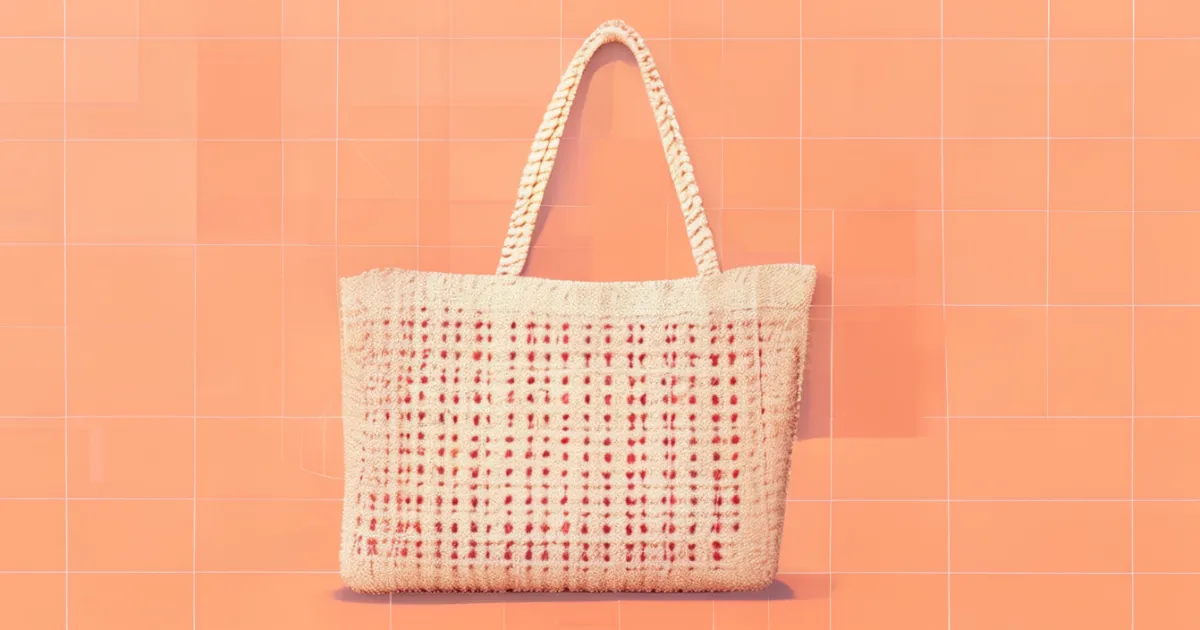
Complete Crochet Tote Bag Pattern Guide
Master the art of crochet tote bags with our comprehensive pattern guide. Includes step-by-step instructions, sizing options, and professional finishing techniques for durable, stylish tote bags.

Ivy ChenWednesday, June 18, 2025
Essential Stitches for Your Crochet Tote Bag Pattern
Before diving into your first crochet tote bag pattern, mastering these foundational stitches will make the process smoother and more enjoyable. The single crochet provides dense, sturdy fabric perfect for bag bases, while double crochet creates the stretchy mesh ideal for expanding tote body capacity. Learning the slip stitch helps join rounds seamlessly, and the half double crochet offers a happy medium between density and flexibility.
For beginners tackling their first crochet tote bag pattern, start with worsted weight cotton yarn in a neutral color. This material choice isn't arbitrary—cotton provides the structural integrity needed for functional bags while maintaining eco-friendly appeal. A 5mm hook works beautifully with this yarn weight, creating stitches tight enough to prevent stretching but loose enough to maintain reasonable working time. Practice these basic stitches on small swatches until your tension remains consistent across multiple rows.
Choosing the Right Crochet Tote Bag Pattern
The perfect crochet tote bag pattern balances aesthetics with functionality. Consider your intended use—will this be a market bag for groceries, a beach tote for summer essentials, or an everyday carry for work items? Each purpose demands different pattern considerations. Market patterns typically feature stretchy mesh construction with reinforced bases, while beach totes prioritize quick-dry materials and sand-shedding designs.
When selecting patterns, examine the construction method carefully. Top-down patterns offer easier size adjustments during creation, while bottom-up approaches provide better control over base dimensions. Pay attention to handle construction—some patterns integrate handles directly into the bag body, while others attach them separately. Integrated handles create seamless looks but require precise stitch placement, while attached handles offer more versatility in styling and replacement options.
Mastering Tote Bag Construction Techniques
Successful crochet tote bag construction follows a logical progression. Start by creating a flat base circle using continuous rounds, increasing evenly to maintain a flat shape. Most patterns specify this base diameter to match your intended bag width. Once your base reaches the target size, you'll transition to working in joined rounds to build up the bag walls. This vertical construction maintains consistent stitch height throughout the tote body.
Joining techniques make or break professional-looking results. The invisible join creates seamless color changes and eliminates the noticeable step often found in traditional slip stitch joins. For added durability, consider lining your tote with fabric or applying a fabric stabilizer to high-stress areas. Many experienced crocheters also add reinforced handles by crocheting multiple strands together or inserting cord for extra strength.
Professional Finishing Touches
The difference between amateur and professional crochet tote bags often lies in the finishing details. Blocking your finished bag helps even out stitches and set the final dimensions, particularly important for cotton totes that may lose shape during use. Steam blocking works well for most cotton totes, while wet blocking provides more dramatic shape setting for natural fibers.
Handle construction deserves special attention for both aesthetics and ergonomics. Consider padded handles for heavy-duty totes, created by crocheting around cotton cord or multiple strands of yarn. Adjustable strap lengths accommodate different carrying preferences—some patterns include button holes or knot-based adjustment systems. For professional-level durability, reinforce stress points at handle attachments with additional stitching or fabric backing.
Sizing and Customization Options
Standard crochet tote bag patterns typically produce bags measuring 12-15 inches in width and 10-12 inches in height, but customization opens endless possibilities. Scaling patterns requires mathematical precision—multiply base increases proportionally for larger bags, or decrease for smaller versions. Consider projected bag volume based on your typical carrying needs; most everyday totes hold between 15-25 liters of contents.
Customization options extend beyond basic sizing. Add interior pockets by crocheting separate panels and sewing them inside the finished bag body. Decorative elements like fringe, tassels, or embroidered details personalize basic patterns while maintaining functionality. Colorwork techniques such as stripes, blocks, or mosaic patterns create visual interest without compromising structural integrity. For advanced crocheters, pattern modifications like structured bases, flat bottoms, or geometric shapes transform simple totes into statement pieces.
Common Pattern Challenges and Solutions
Even experienced crocheters encounter challenges with tote bag patterns. Bottom corners often pucker or gap—solve this by adjusting tension and practicing even increases. Saggy handles result from insufficient reinforcement or poor yarn choice; double-strand handles or cord insertion provides necessary strength. Stretched-out bags indicate foundation issues—tighter base construction or fabric lining prevents deformation over time.
Yarn selection errors lead to disappointing results. Acrylic yarns stretch significantly under weight, making them poor choices for functional totes despite their affordability. Cotton blends offer improved durability while maintaining workability, while hemp or jute create rustic, eco-friendly market bags with exceptional strength. Always test your chosen yarn with a gauge swatch before committing to full-scale projects—this small investment prevents hours of frustration later.
Building your crochet tote bag skills requires patience and practice, but the functional, stylish results make the journey worthwhile. Each completed bag teaches valuable lessons about construction, yarn behavior, and personal crafting preferences that inform future projects. Start with simple patterns and gradually incorporate advanced techniques as confidence grows, creating a collection of handmade bags that serve both practical needs and creative expression.