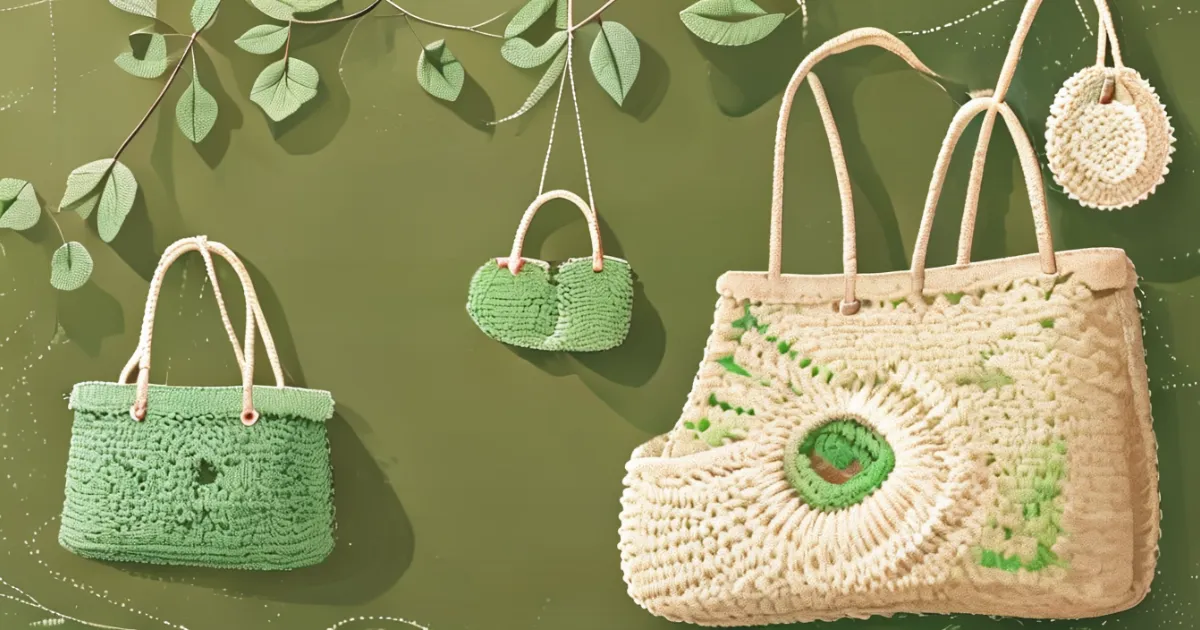
The Art of Handmade Crochet Bags
Celebrate the craftsmanship of handmade crochet bags. Learn techniques for creating unique, artisanal bags that showcase your personal style and crochet skills.

Isabel FerrerWednesday, June 18, 2025
The Craftsmanship Behind Handmade Crochet Bags
Handmade crochet bags represent more than just functional accessories—they're expressions of personal artistry and sustainable fashion. In an era of mass production, these artisanal pieces stand out for their unique character, thoughtful construction, and the human touch woven into every stitch. Creating handmade crochet bags connects us to centuries of textile traditions while offering modern makers the satisfaction of crafting something truly personal and lasting.
The beauty of handmade crochet bags lies in their versatility. From sturdy everyday totes to delicate evening clutches, each piece reflects the maker's vision and skill level. Unlike manufactured bags, handmade versions can be customized to specific needs, preferences, and style aesthetics. This personalization aspect makes them increasingly popular among those seeking unique accessories that tell a story beyond their function.
Essential Materials for Quality Handbags
Creating durable handmade crochet bags starts with selecting the right materials. Cotton yarn remains the preferred choice for many artisans due to its strength, washability, and natural drape. When choosing cotton yarn for your crochet bags, consider weight category—worsted weight (category 4) offers the ideal balance of durability and flexibility for most bag projects.
Beyond yarn choice, the tools and accessories elevate handmade crochet bags from simple projects to professional-quality accessories. Strong bag handles, either crocheted with reinforced stitches or made from leather, wood, or metal hardware, ensure your creation withstands daily use. Linings add structure and protect contents, while magnetic snaps or zippers provide security. These finishing touches demonstrate the attention to detail that distinguishes truly artisanal pieces.
Techniques That Define Artisanal Quality
Mastering specific techniques elevates handmade crochet bags from amateur attempts to professional creations. The foundation of any quality bag begins with consistent tension—uneven stitching creates weak points and distortions that compromise both appearance and durability. Practice maintaining even tension across different yarn types and hook sizes to develop this crucial skill.
Structure-building techniques transform flat crochet fabric into three-dimensional forms. The magic ring (or adjustable loop) creates perfect, tight centers for circular bases, preventing gaps that could lead to stretched-out shapes over time. Understanding increases and decreases allows you to sculpt curves, create defined corners, and build handles that maintain their shape without sagging.
Invisible joins and seamless transitions demonstrate advanced craftsmanship. The seamless join technique creates professional-looking rounds without noticeable step-ups, while stitch markers help track pattern repeats and ensure consistent shaping. These subtle details separate casual projects from heirloom-quality handmade bags that customers treasure for years.
Styling and Design Considerations
The design possibilities for handmade crochet bags extend far beyond basic shapes and colors. Texture plays a crucial role in creating visually interesting pieces—raised stitches, bobbles, and surface crochet add dimension that catches light and draws attention. Color work techniques, including stripes, mosaic patterns, or gradient transitions, allow makers to express personal style while showcasing technical prowess.
Functional design elements ensure your handmade crochet bags serve their intended purpose beautifully. Consider strap length and width based on intended use—longer, wider straps distribute weight more comfortably for heavy loads, while shorter straps work well for evening bags. Pocket placement and closure mechanisms should balance accessibility with security.
The relationship between stitch pattern and bag function deserves careful consideration. Open, lacy patterns work beautifully for beach totes where ventilation and lightness matter, while dense, tight stitches provide better structure for everyday bags that need to maintain their shape. Understanding these functional aesthetics helps you create pieces that are both beautiful and practical.
Building Your Handmade Bag Business
For many makers, handmade crochet bags evolve from personal projects into a viable business opportunity. The growing demand for sustainable, artisanal accessories creates opportunities for skilled crafters to monetize their skills. Success requires balancing creative passion with practical business considerations like pricing strategies, time management, and customer communication.
Photography becomes essential when selling handmade crochet bags online. Natural lighting, simple backgrounds, and multiple angles showcase your work professionally. Include lifestyle shots that demonstrate scale and function, alongside detailed close-ups that highlight texture and craftsmanship. These visual elements help potential customers appreciate the quality and uniqueness of your handmade pieces.
Pricing handmade crochet bags appropriately challenges many makers. Consider material costs, time investment, and market positioning when determining your rates. Many successful artisans use tiered pricing strategies based on complexity and size, while others focus on creating signature styles that command premium prices. Remember that customers seeking handmade items often value quality and uniqueness over low prices.
Sustainability and Ethical Considerations
Handmade crochet bags naturally align with sustainable fashion principles. The slow fashion movement has elevated handmade accessories as alternatives to fast fashion's environmental impact. By creating durable, timeless pieces, makers contribute to reducing textile waste and promoting conscious consumption habits.
Material choices significantly impact the sustainability credentials of handmade crochet bags. Natural fibers like cotton, linen, and hemp offer biodegradable alternatives to synthetic materials. Many eco-conscious makers now source recycled cotton yarn or upcycle fabric from textile waste, creating beautiful bags while reducing environmental impact.
The longevity of handmade crochet bags further enhances their sustainability credentials. Well-made crochet bags can last for decades, developing character and softness with age. This durability contrasts sharply with mass-produced alternatives that often require replacement after limited use. Teaching basic repair and maintenance skills helps extend bag lifespans even further, reinforcing their sustainable appeal.
Connecting with the Crochet Community
The handmade crochet bag community offers valuable support and inspiration for makers at all skill levels. Online platforms like Instagram, Pinterest, and specialized crochet forums provide spaces to share work, seek advice, and discover new techniques. Participating in crochet-alongs and pattern exchanges expands your creative horizons while building meaningful connections with fellow artisans.
Local craft fairs and markets offer opportunities to showcase handmade crochet bags to customers who value face-to-face interactions. These events provide valuable feedback, direct sales opportunities, and the chance to educate consumers about the craftsmanship behind each piece. Many makers find that explaining their process and materials helps customers appreciate the true value of handmade items.
Teaching others represents another way to engage with the crochet community while building expertise. Leading workshops about bag-making techniques or creating tutorials for popular patterns establishes your reputation as an expert maker. Sharing knowledge strengthens the entire handmade community while opening doors to collaborative opportunities and income streams.
The world of handmade crochet bags continues to evolve as new techniques, materials, and design possibilities emerge. Whether you're creating for personal enjoyment, gift-giving, or commercial success, embracing both traditional craftsmanship and innovative approaches will ensure your crochet bags remain relevant and desirable in today's conscious consumer landscape.