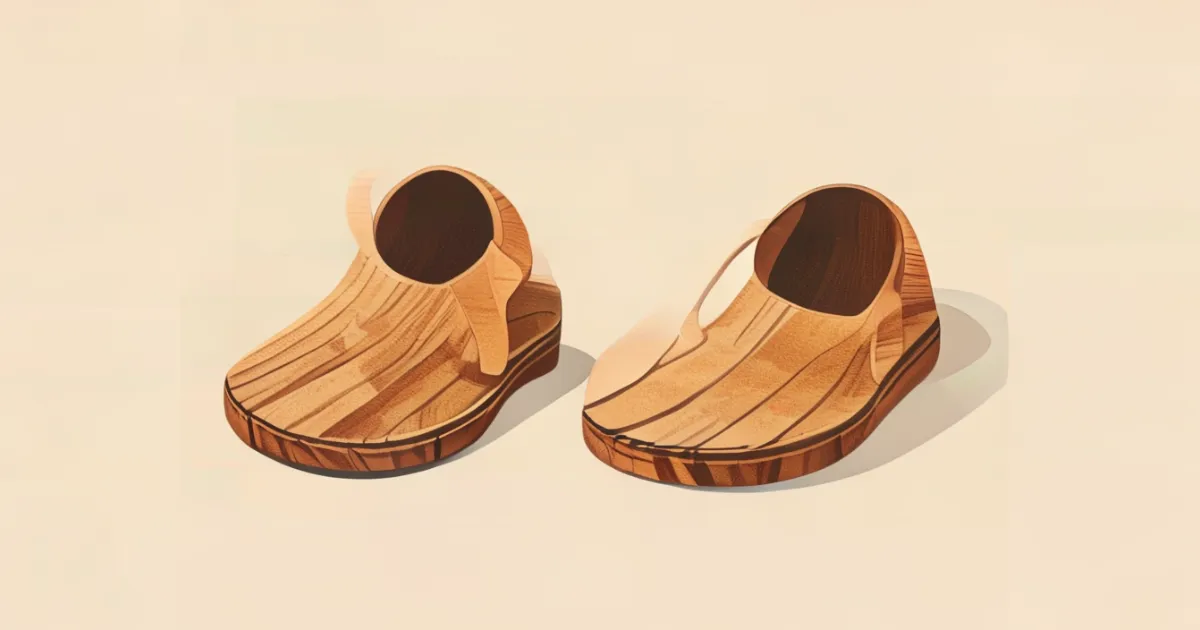
Wooden Clogs: Tradition Meets Modern Comfort
The evolution of wooden clogs from traditional craftsmanship to modern ergonomic designs. Learn about wood types, construction methods, and contemporary wooden clog brands.

Marco RossiWednesday, June 18, 2025
The story of wooden clogs represents one of the most fascinating transitions from purely functional footwear to fashion statements. What began as essential protection for workers across Europe has evolved into a sophisticated market segment blending traditional craftsmanship with modern comfort technology. Understanding this evolution reveals why wooden clogs continue to capture both practical and aesthetic interest in today's footwear market.
The economics of wooden clog production has shifted dramatically over the past century. Traditional workshops, once scattered throughout rural communities, have given way to specialized manufacturers who've refined the production process while preserving core techniques. This transition wasn't merely about scaling production—it represented a fundamental rethinking of how wooden footwear could meet contemporary comfort and style expectations. Modern wooden clogs now compete not just with other traditional footwear, but with an entire ecosystem of comfort shoes promising similar benefits.
The material science behind contemporary wooden clogs deserves closer examination. While poplar and willow remain popular choices due to their lightweight properties and shock absorption characteristics, manufacturers have developed specialized wood treatments that enhance durability without compromising flexibility. Some premium brands now incorporate sustainable hardwoods sourced from certified forests, addressing environmental concerns that increasingly influence consumer purchasing decisions. This focus on sustainable materials isn't just marketing—it's becoming a significant competitive advantage in the premium footwear segment.
The business model for wooden clog manufacturers typically follows one of two paths. Some companies focus exclusively on traditional markets, selling to specific occupational groups who continue to value the unique protection wooden soles provide. Others have successfully repositioned their products as lifestyle and fashion items, targeting consumers interested in distinctive footwear with historical significance. This strategic divergence explains why wooden clog prices range from affordable work shoes to premium designer footwear, often with surprisingly little difference in core construction methods.
What distinguishes high-quality wooden clogs from mass-produced alternatives comes down to attention to detail in three critical areas: wood selection, shaping precision, and finishing techniques. Premium manufacturers typically air-dry their wood for extended periods, allowing natural stabilization that reduces the risk of cracking or warping. The shaping process, whether completed by hand or advanced machinery, must account for the natural grain patterns and structural characteristics of each wood piece. Finally, proper sealing and finishing protect the wood while maintaining its ability to breathe—a crucial factor for foot comfort during extended wear.
The ergonomics of wooden clog design has evolved significantly from early models. Contemporary wooden clogs incorporate sophisticated footbed designs that provide better arch support and weight distribution than their historical counterparts. Some manufacturers now offer adjustable features and specialized fittings for different foot types, addressing one of the traditional limitations of wooden footwear. These innovations demonstrate how traditional materials can be adapted to meet modern comfort expectations without losing their essential character.
The market for wooden clogs remains surprisingly robust despite competition from synthetic materials and alternative footwear styles. This resilience stems from several factors: the unique benefits of wooden soles for certain medical conditions, the growing appreciation for sustainable materials, and the distinctive aesthetic appeal that sets wooden clogs apart from mass-produced alternatives. Additionally, wooden clogs have found new applications in wellness and therapeutic contexts, where their rigid support and natural materials are valued for specific health benefits.
Manufacturing locations have shifted over time, but certain regions maintain their reputation for producing exceptional wooden clogs. The Netherlands, Sweden, and parts of Germany continue to host manufacturers who blend traditional techniques with modern innovations. These producers often emphasize their heritage and craftsmanship as key differentiators in a market increasingly dominated by mass production. The concentration of expertise in these regions creates natural competitive advantages that smaller manufacturers elsewhere struggle to replicate.
Looking toward the future, wooden clog manufacturers face both challenges and opportunities. Environmental regulations increasingly impact wood sourcing and finishing processes, requiring adaptations in production methods. Consumer preferences for sustainable and ethically-produced products create new market opportunities for manufacturers who can transparently demonstrate their environmental credentials. Meanwhile, technological advances in wood treatment and manufacturing equipment enable new designs and comfort features that were previously impossible to implement at commercial scales.
The economics of wooden clog production reveals interesting insights about niche market dynamics. Unlike mass-market footwear where economies of scale dominate pricing and profitability, wooden clog manufacturers often succeed through product differentiation and specialized knowledge. This explains why wooden clog prices don't necessarily correlate directly with production costs—consumers are paying for expertise, heritage, and distinctive characteristics that cannot be easily replicated. Understanding these market dynamics helps explain why wooden clogs continue to occupy their unique position in the broader footwear ecosystem.
For consumers interested in wooden clogs, the decision-making process involves balancing several factors beyond simple price considerations. The specific wood type affects both comfort and durability, with different woods offering varying levels of shock absorption and weight characteristics. Manufacturing quality influences both immediate comfort and long-term wear resistance. Finally, intended use patterns help determine which style and construction method best matches individual needs. These considerations explain why wooden clog buyers often research extensively before making purchases, especially when investing in premium models.
The enduring appeal of wooden clogs demonstrates how traditional craftsmanship can adapt to modern market conditions while maintaining essential character. This balance between heritage and innovation explains why wooden clogs continue to find new audiences despite dramatic changes in footwear technology and consumer preferences. Whether purchased for practical benefits, aesthetic appeal, or environmental considerations, wooden clogs represent a distinctive choice that connects wearers to centuries of footwear evolution.