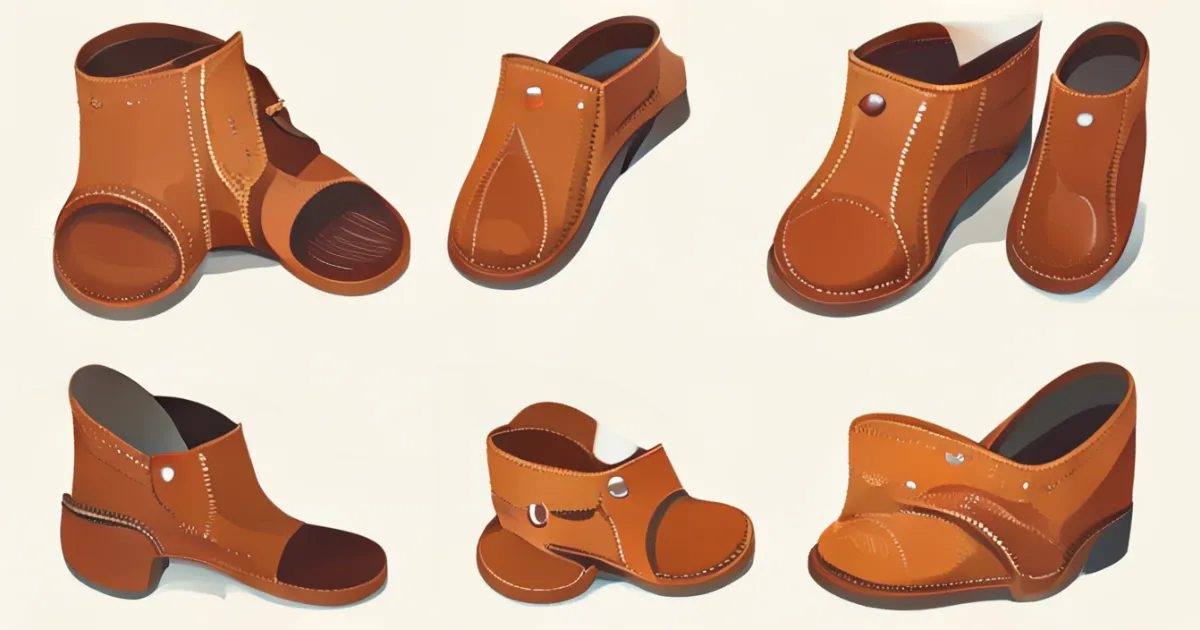
Leather Clogs: Premium Comfort and Durability
Guide to leather clogs featuring quality assessment, care techniques, and top leather clog brands. Discover full-grain options, suede varieties, and vegetable-tanned choices.

Marco RossiWednesday, June 18, 2025
The leather clog market represents a fascinating intersection of traditional craftsmanship and modern luxury positioning. What began as practical footwear for workers and farmers has evolved into premium products that command significant price premiums based on material quality, construction techniques, and brand heritage. Understanding the economics of leather clog production reveals how material selection and manufacturing processes create value that consumers willingly pay for in the luxury footwear segment.
The material sourcing strategy for premium leather clogs follows distinctly different patterns than mass-market footwear production. Luxury manufacturers typically establish long-term relationships with tanneries that specialize in vegetable-tanned leathers, which offer superior breathability and develop distinctive patinas over time. These relationships ensure consistent supply of premium hides while supporting traditional tanning methods that might otherwise disappear in an increasingly synthetic-focused market. The additional cost of these premium materials—often three to five times higher than conventional leather—gets justified through extended product lifespans and distinctive aesthetic qualities that synthetic alternatives cannot replicate.
The economics of leather clog manufacturing reveals interesting insights about luxury positioning strategies. Premium manufacturers deliberately limit production volumes to maintain exclusivity and focus on quality control rather than unit economics. This approach contrasts sharply with mass-market footwear, where production scaling drives profitability. Luxury leather clog manufacturers instead compete on craftsmanship, material quality, and brand heritage—factors that support price premiums despite lower production volumes. Understanding these different business models explains why leather clog prices can vary dramatically even when similar basic construction methods are employed.
Material science plays a crucial role in differentiating premium leather clogs from standard alternatives. Full-grain leather, the highest quality grade, retains the natural grain and strength characteristics of the original hide. This material choice impacts not just durability but also comfort, as full-grain leather breathes better and conforms more effectively to individual foot shapes over time. Some premium manufacturers incorporate exotic leathers or specialized treatments that offer unique aesthetic properties, further differentiating their products in competitive luxury markets. These material selections represent significant cost investments but create distinctive value propositions that cannot be easily replicated.
The construction techniques used in luxury leather clog manufacturing often combine traditional methods with modern precision. Hand-stitching, although labor-intensive, provides superior strength and repairability compared to machine alternatives. Wooden soles, typically made from poplar or willow, get shaped and finished using processes that take advantage of modern precision while preserving traditional techniques. Some manufacturers have developed proprietary construction methods that enhance comfort or durability, creating technological advantages that support premium positioning. These innovations represent significant investments in research and development that smaller manufacturers struggle to match.
The market dynamics for luxury leather clogs operate differently than standard footwear segments. Distribution typically follows selective strategies focusing on specialty retailers and direct-to-consumer channels rather than mass-market retailers. This approach maintains brand exclusivity while allowing manufacturers to control product presentation and customer experience. Price positioning emphasizes quality and heritage rather than competition with alternative footwear categories. Marketing messages often emphasize craftsmanship history and material sourcing stories that resonate with luxury consumers seeking authentic, meaningful products rather than mere functionality.
Brand development in the leather clog luxury segment requires patience and consistency. Premium manufacturers typically invest decades building reputations for quality and reliability before achieving significant market recognition. This long-term perspective contrasts with fast-fashion approaches that prioritize rapid turnover and trend-chasing. Successful luxury leather clog brands understand their competitive advantage lies in authenticity and consistency rather than fleeting fashion preferences. This strategic orientation influences everything from product development to customer communication and distribution decisions.
The consumer decision-making process for luxury leather clogs involves different considerations than standard footwear purchases. Buyers typically research extensively, comparing brands based on construction quality, material specifications, and manufacturing heritage. Price sensitivity plays a smaller role than value perception, with consumers willing to pay premiums for products they perceive as superior in quality or authenticity. Understanding these purchase patterns helps explain why luxury leather clog manufacturers focus on education and transparency rather than discounting strategies to drive sales.
Sustainability considerations increasingly influence luxury leather clog market dynamics. Premium manufacturers often emphasize traditional tanning methods and natural materials that appeal to environmentally conscious consumers. Some brands have developed certified supply chains that ensure responsible sourcing and production practices. These sustainability credentials, while requiring additional investment and documentation, create competitive advantages in growing market segments where environmental values influence purchasing decisions. The alignment between traditional leather clog production and sustainability principles represents a natural fit that many manufacturers leverage for market differentiation.
The global distribution of leather clog manufacturing reveals interesting patterns of specialization and market focus. Certain regions, particularly parts of Europe, maintain strong traditions of leather clog production that evolved alongside local agricultural and industrial needs. These geographical concentrations create competitive advantages based on accumulated expertise, specialized equipment, and established supply chain relationships. Manufacturers in these regions often emphasize their heritage and location as part of their value proposition, distinguishing themselves from newer entrants who lack similar historical credentials.
Looking toward future market developments, luxury leather clog manufacturers face both opportunities and challenges. Changing consumer preferences toward casual footwear in professional settings create new market potential. Meanwhile, increasing competition from premium synthetic alternatives forces traditional manufacturers to emphasize their unique value propositions more clearly. Technological advances in leather treatment and construction methods enable new design possibilities while maintaining traditional quality standards. Success in this evolving market requires balancing innovation with tradition, and responding to changing consumer preferences without abandoning core brand values.
The economics of leather clog durability represent an important consideration for value-conscious consumers. While premium leather clogs require higher initial investments, their extended lifespans often result in lower total cost of ownership compared to cheaper alternatives that require frequent replacement. Additionally, premium leather clogs typically repair more effectively than synthetic alternatives, extending their useful life further. This durability factor represents an important component of their overall value proposition, particularly for consumers who prioritize long-term investment over short-term savings.
Understanding the complete value chain of luxury leather clog production reveals how various factors contribute to final product positioning. From raw material selection through final finishing, each production stage involves choices that affect quality, cost, and market positioning. Successful manufacturers optimize these choices to create distinctive products that justify premium pricing while meeting consumer expectations for durability, comfort, and aesthetic appeal. This comprehensive approach to value creation explains why luxury leather clogs continue to occupy their distinctive position in the broader footwear market despite changing fashion trends and alternative material options.