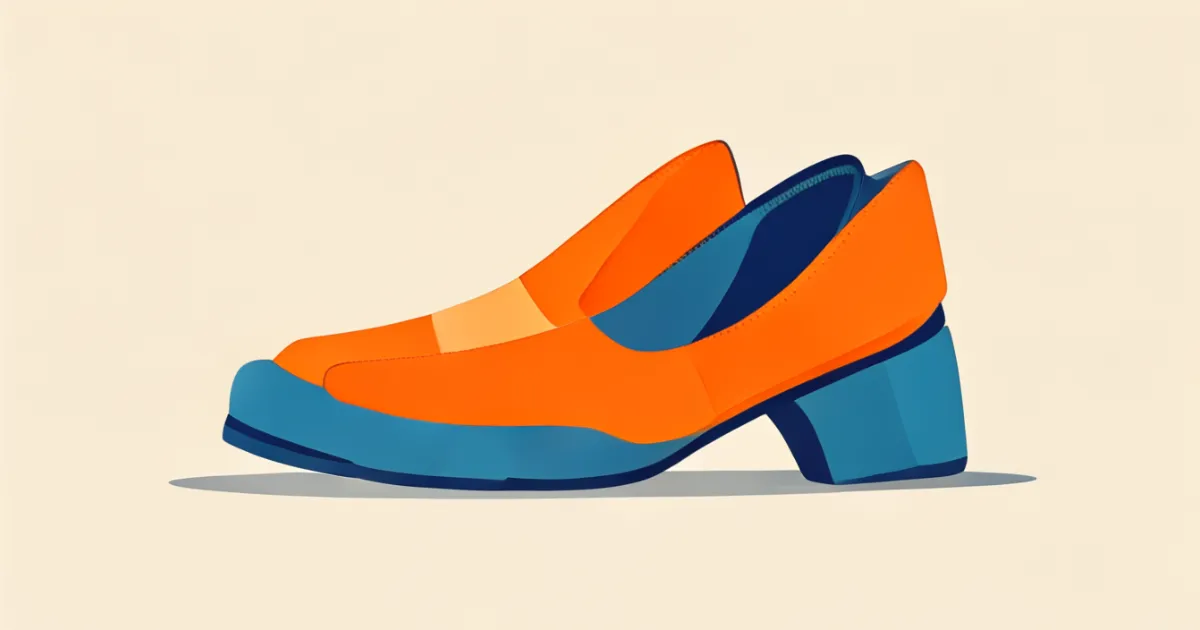
Closed Heel Clogs: Safety Benefits and Best Options
Why closed heel clogs are essential for workplace safety and comfort. Explore the protective benefits, stability features, and top-rated closed heel designs for professionals.

Amira HassanWednesday, June 18, 2025
The Science Behind Closed Heel Clogs: Understanding Safety and Stability
When healthcare workers, restaurant staff, and industrial professionals spend their days navigating potentially hazardous environments, their footwear becomes more than just comfort—it's personal protective equipment. Closed heel clogs represent one of the most significant advances in workplace footwear safety, combining decades of biomechanical research with practical field testing.
The Biomechanics of Foot Stability
Your feet are engineering marvels designed for mobility, but modern workplaces create challenges our ancestors never faced. Closed heel clogs address fundamental stability issues through principles grounded in anatomy and physics.
Your heel bone (calcaneus) serves as your body's foundation during standing and walking. When it's properly secured, your entire kinetic chain—from ankles through knees to hips—functions more efficiently. Open-back footwear allows this crucial stabilization point to shift unpredictably, especially during sudden movements or direction changes.
Research from occupational health studies shows that heel instability contributes to workplace accidents in ways many workers don't recognize. A slipping heel doesn't just cause foot discomfort—it affects your entire balance system, making you more vulnerable to falls on wet surfaces, uneven flooring, or during sudden stops.
The science is clear: when your heel remains consistently positioned within your footwear, your proprioceptive system (your body's awareness of its position in space) receives more accurate information. This enhanced feedback allows for faster, more precise adjustments to maintain balance during challenging workplace movements.
Myth vs. Fact: Common Misconceptions About Heel Coverage
Several persistent myths about workplace footwear deserve clarification based on current research and workplace safety data.
Myth: Open-back clogs are just as safe as closed-heel designs if they fit properly.
Fact: Occupational safety data consistently shows higher slip-and-fall rates among workers wearing open-back footwear, even when properly fitted. The issue isn't just fit—it's the fundamental lack of heel containment during rapid movements.
Myth: Closed heels make shoes too hot and uncomfortable during long shifts.
Fact: Modern breathable materials and ventilation designs make this concern largely outdated. Properly designed closed heel clogs maintain comfort while providing superior protection.
Myth: Experienced workers don't need the extra protection of closed heels.
Fact: Ironically, experienced workers often benefit most from enhanced stability. As we develop expertise, we may take certain movements for granted, making us vulnerable when unexpected conditions arise.
Workplace Accident Data: The Numbers Tell a Story
Occupational safety statistics reveal compelling evidence for closed heel designs in workplace settings. The National Safety Council reports that slips, trips, and falls account for over 25% of workplace injuries requiring days away from work, with improper footwear being a significant contributing factor.
Healthcare facilities that implemented closed-heel requirements for nursing staff report 15-30% reductions in slip-related incidents within the first year. Restaurants and food service establishments see similar improvements when transitioning from open-back to closed-heel footwear options.
These aren't just statistics—they represent real people avoiding painful injuries, employers reducing workers' compensation costs, and businesses maintaining productivity without disruption from preventable accidents. The evidence consistently supports closed heel designs as a cost-effective safety investment.
Protection Beyond Slips: Comprehensive Workplace Safety
The benefits of closed heel clogs extend far beyond preventing slips. Comprehensive workplace protection includes multiple layers of safety that work together to create secure working environments.
Impact protection becomes crucial in settings where heavy objects, tools, or equipment might be dropped. Closed heel designs provide an additional barrier against crushing injuries that open-back styles simply cannot match. In laboratory and manufacturing settings, this protection becomes essential rather than optional.
Chemical and fluid resistance improves with closed designs because liquids are less likely to penetrate the footbed area. In medical settings, this reduces the risk of exposure to bodily fluids and chemicals. For food service workers, it means better protection against hot liquids and cleaning solutions.
Foreign object exclusion prevents workplace debris from entering footwear. In construction, landscaping, and industrial settings, this protection prevents painful injuries from small stones, metal fragments, or other workplace debris that could otherwise become trapped in open-back designs.
Specialized Features That Enhance Safety
Modern closed heel clogs incorporate multiple safety technologies that work synergistically to provide comprehensive workplace protection. Understanding these features helps make informed decisions about workplace footwear.
Non-slip tread patterns extend beyond the main sole to cover the heel area, providing consistent grip even during heel-strike movements. The best designs channel liquids away from contact points while maintaining traction on various surface types.
Shock absorption systems in the heel area reduce fatigue during long shifts and provide additional protection when walking on hard surfaces. This feature particularly benefits workers who spend extended periods on concrete, tile, or other unforgiving surfaces.
Reinforced heel counters maintain structural integrity even after months of heavy use. This reinforcement prevents the heel area from collapsing or degrading, ensuring consistent protection throughout the footwear's lifespan.
Choosing the Right Closed Heel Clogs for Your Environment
Not all closed heel clogs provide equal protection across different workplace environments. Matching footwear features to specific workplace hazards ensures optimal safety and comfort.
Healthcare settings prioritize fluid resistance, easy cleaning, and infection control features. Medical-grade materials prevent bacterial absorption, while smooth surfaces allow for thorough sanitizing between patient interactions.
Food service environments need oil-resistant outsoles and heat protection for kitchen settings. The best options maintain grip even on greasy surfaces while protecting feet from hot spills common in commercial kitchens.
Industrial and manufacturing environments often require additional toe protection and puncture-resistant soles. These features complement the heel protection, creating comprehensive safety systems for demanding workplace conditions.
Retail and customer service settings balance professional appearance with workplace safety. The best options combine closed heel protection with styling that fits front-of-house environments while maintaining all-day comfort for workers who spend hours on their feet.
The Cost-Benefit Analysis of Safety Investments
While closed heel clogs may represent a higher initial investment than open-back alternatives, the long-term benefits typically outweigh the costs significantly. Understanding this economic relationship helps justify safety investments to stakeholders.
Direct cost savings come from reduced workplace accidents, lower workers' compensation premiums, and decreased absenteeism. A single prevented injury often pays for multiple pairs of safety footwear, making closed heel designs economically advantageous.
Productivity benefits include improved worker comfort, reduced fatigue, and enhanced confidence in potentially hazardous conditions. When workers feel secure in their footwear, they can focus more completely on job responsibilities rather than navigating workplace hazards.
Organizational reputation improves when companies demonstrate commitment to employee safety. This investment in worker wellbeing can improve recruitment, retention, and overall employee satisfaction—factors that directly impact business success.
The evidence is clear: closed heel clogs represent not just a footwear choice but a fundamental workplace safety strategy. For organizations committed to protecting their most valuable assets—their people—the decision to implement closed heel requirements is both scientifically sound and economically prudent.
This commitment to safety builds on broader workplace protection strategies, which you can explore in our comprehensive guide to professional clogs workplace requirements. For specific healthcare applications, our nursing clogs guide provides detailed insights into medical footwear standards and practices.