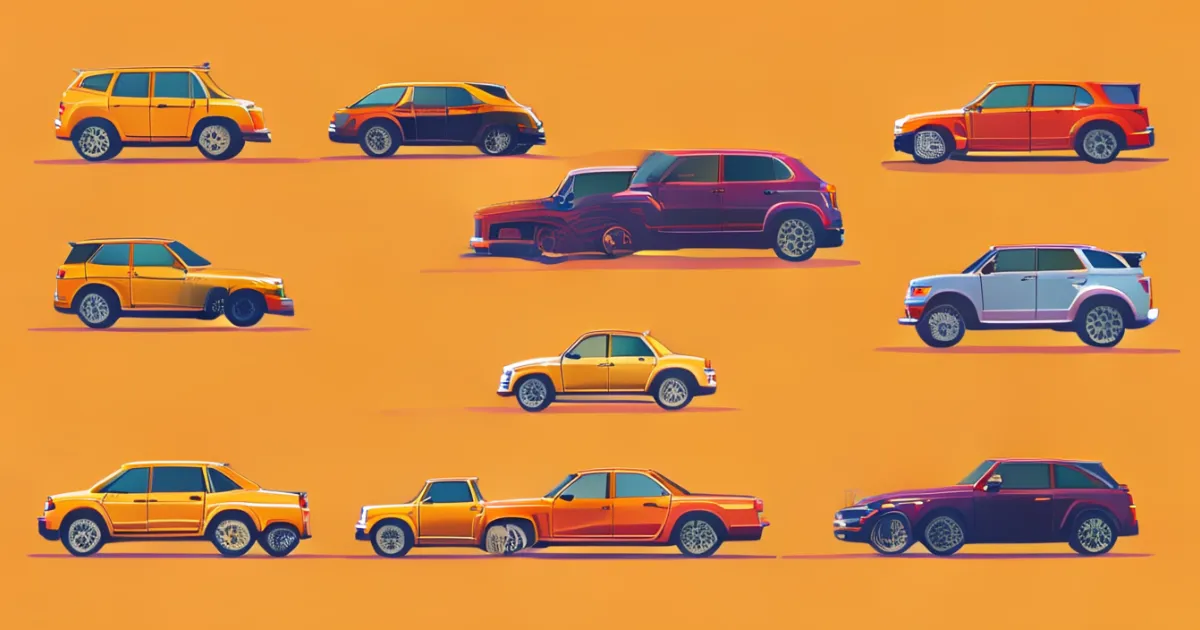
Vehicle Ceramic Coating: Complete Protection for Cars, Trucks, and SUVs
Comprehensive guide to vehicle ceramic coating applications for all vehicle types. Learn specific considerations for different makes and models.

Alex RiveraMonday, June 23, 2025
Beyond Cars: Universal Protection Principles
Ceramic coating technology works remarkably well across virtually all vehicle types, but the specific considerations and application methods vary significantly depending on what you're protecting. Think of it like applying sunscreen—the basic principle stays the same, but you need different formulations and application techniques for face, body, and sensitive areas. The same logic applies to vehicle ceramic coating across different transportation categories.
The fundamental science remains constant: silicon dioxide nanoparticles bond with your vehicle's painted surfaces to create a harder, more hydrophobic, and chemically resistant layer. However, different vehicles present unique challenges in terms of surface area, paint types, usage patterns, and maintenance requirements. Understanding these nuances helps ensure you get maximum protection value regardless of what you drive.
Surface preparation becomes even more critical as vehicle size increases. A compact car might require 4-6 hours of thorough prep work before coating application, while a full-size SUV could need 8-12 hours of the same attention to detail. Large commercial vehicles might require multiple days of preparation. This isn't about cutting corners—it's about providing the coating with a pristine surface to bond with, ensuring optimal performance across every square inch of your investment.
Passenger Cars: From Compacts to Luxury Vehicles
Standard passenger cars represent the ideal application environment for ceramic coating technology. Their moderate size makes thorough preparation achievable, their paint systems are well-understood by coating manufacturers, and their usage patterns align well with the protection benefits ceramic coatings provide. Whether you drive a basic commuter car or a luxury performance vehicle, the application principles remain essentially the same.
Compact cars benefit from ceramic coating's urban protection features. Their typical use involves parking in various environments—street parking, public garages, outdoor lots—where exposure to bird droppings, tree sap, and urban pollutants is constant. The coating's chemical resistance provides particularly valuable protection in these scenarios, preventing permanent damage that would otherwise require costly paint correction.
Luxury and performance vehicles gain additional value from ceramic coating technology. These vehicles often feature premium paint systems that respond exceptionally well to ceramic protection. The enhanced gloss and depth that ceramic coatings provide complement high-end finishes perfectly, while the superior protection helps preserve the vehicle's appearance and resale value. For sports cars with aerodynamic body kits and complex surfaces, ceramic coating's self-cleaning properties reduce the risk of swirl marks during routine maintenance.
SUVs, Trucks, and Crossover Vehicles
Larger vehicles present both challenges and opportunities for ceramic coating applications. The increased surface area means more time and product required for proper application, but it also means more surface area benefiting from protection. SUVs and trucks typically encounter harsher driving conditions—more road debris, off-road exposure, and increased environmental stress—that make ceramic coating's durability features particularly valuable.
Trucks, especially those used for work or recreational purposes, benefit from ceramic coating's resistance to chemical contamination. Construction materials, landscaping chemicals, and recreational equipment can all damage unprotected paint surfaces. Ceramic coating provides a sacrificial barrier that absorbs these impacts without compromising the underlying paint system. The self-cleaning properties also help maintain professional appearance between cleanings.
Crossover vehicles combine the challenges of both car and SUV applications. Their increased ride height exposes them to more road debris, while their typical family usage patterns demand easy maintenance. Ceramic coating addresses both needs effectively—protecting against impacts while simplifying cleaning routines. For families with active lifestyles, the reduced washing frequency and easier cleaning process represent significant time savings.
Commercial and Fleet Vehicle Considerations
Commercial vehicle applications require special attention to return on investment calculations. While ceramic coating represents a significant upfront investment for a fleet of vehicles, the long-term benefits often justify the cost. Reduced maintenance frequency, extended paint life, and improved vehicle appearance all contribute to operational efficiency and brand presentation.
Delivery vans and service vehicles accumulate significant environmental exposure during daily operations. Constant parking in various locations, exposure to industrial chemicals, and high mileage driving patterns create substantial protection challenges. Ceramic coating's durability and chemical resistance make it particularly valuable for these applications, helping maintain professional appearance while reducing maintenance costs.
Company vehicles also benefit from ceramic coating's impact on resale values. Well-maintained fleets command higher prices when it's time to upgrade, and ceramic coating helps preserve paint condition throughout the vehicle's service life. For companies that operate leased vehicles, ceramic coating can reduce end-of-lease charges related to paint damage and excessive wear.
Specialty Vehicles and Unique Applications
Motorcycles and powersports vehicles represent unique ceramic coating applications. Their smaller surface area makes preparation more manageable, but their exposed nature creates additional protection challenges. Motorcycle paint systems often feature complex graphics and special finishes that benefit from ceramic coating's gentle maintenance requirements. The hydrophobic properties also help reduce water spotting during cleaning—a particular concern for show-quality motorcycles.
RVs and camper applications present size challenges but offer significant protection benefits. These vehicles often sit exposed to the elements for extended periods, making UV protection particularly valuable. The large surface areas require significant investment in both time and materials, but the protection against sun damage, tree sap, and environmental contamination can preserve appearance and value for years.
Classic and collector vehicles represent perhaps the most compelling ceramic coating applications. These investments often feature original or specialty paint systems that are irreplaceable. Ceramic coating provides protection without altering the original finish characteristics, making it ideal for preservation-minded collectors. The reduced need for aggressive cleaning methods also helps preserve delicate vintage paint systems.
Application Realities Across Vehicle Categories
Professional installation becomes increasingly valuable as vehicle complexity and size increase. While compact cars might be manageable for experienced DIY enthusiasts, large SUVs, commercial vehicles, and specialty applications often benefit from professional expertise. Professional installers understand the nuances of different paint systems, have the equipment to handle large applications efficiently, and can provide warranty coverage that DIY applications cannot match.
Environmental considerations also vary by vehicle type. Urban commuters might prioritize chemical resistance against pollutants, while rural vehicles might focus more on UV protection and environmental resistance. Commercial applications might emphasize durability and ease of maintenance, while collector vehicles might prioritize gentle cleaning and preservation qualities. Understanding your specific use case helps guide product selection and application priorities.
Bottom Line
Ceramic coating technology provides valuable protection across virtually all vehicle types, but the specific benefits and application considerations vary significantly. The fundamental science remains constant—molecular-level protection that enhances paint durability and appearance—but the practical implementation depends on your specific vehicle, usage patterns, and protection priorities.
For vehicle owners who value long-term preservation and reduced maintenance, ceramic coating offers compelling advantages regardless of what you drive. The technology has evolved to handle diverse paint systems, surface areas, and usage patterns, making it accessible to virtually every vehicle category.
Success depends on matching the right ceramic coating product to your specific vehicle type and usage patterns, ensuring proper preparation regardless of vehicle size, and following appropriate maintenance procedures. When these factors align, ceramic coating provides superior protection that preserves your vehicle's appearance and value across all transportation categories.
The technology that makes nano ceramic coating effective works across vehicle types, while understanding the broader context of car paint protection helps guide specific application decisions for your situation.