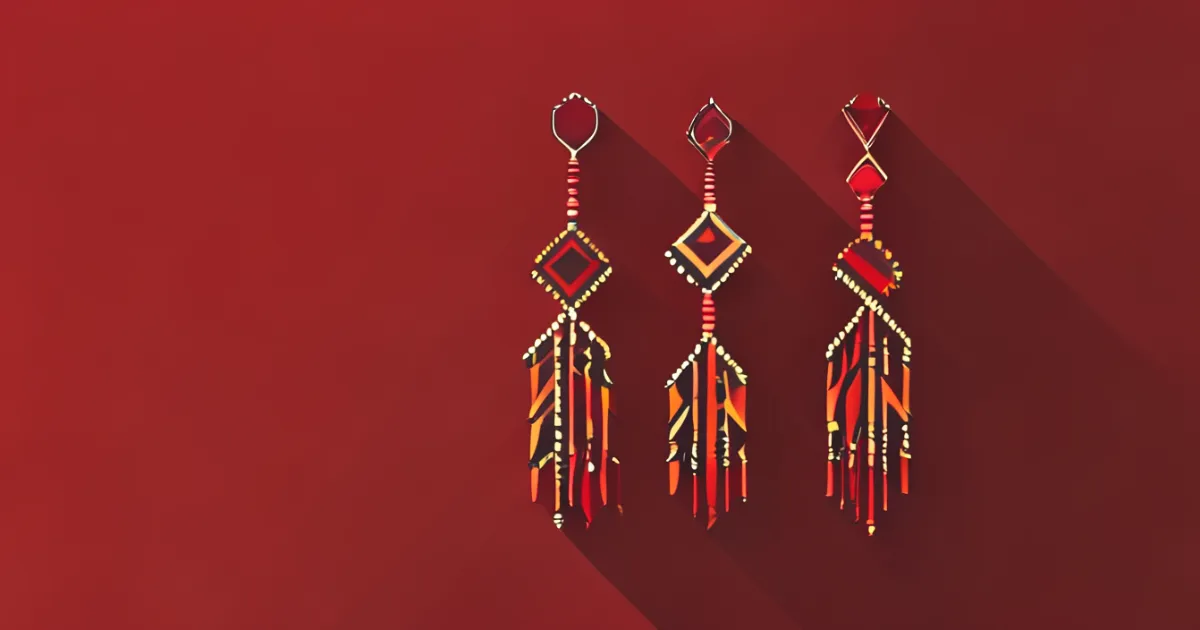
Tribal Beaded Earrings: Cultural Heritage in Design
Explore tribal beaded earring traditions and create culturally inspired designs. Learn about authentic patterns, color meanings, and respectful interpretation of tribal jewelry styles.

Sofía MendesSunday, December 14, 2025
Honoring Cultural Heritage Through Tribal Beaded Earrings
Tribal beaded earrings represent centuries of cultural tradition, artistic expression, and spiritual significance. These distinctive pieces connect us to ancestral wisdom, community identity, and the timeless human desire to adorn ourselves with meaning and beauty. Unlike mass-produced jewelry, authentic tribal beaded earrings carry stories of migration, survival, and cultural resilience that continue to inspire contemporary jewelry makers and collectors worldwide.
The rich diversity of tribal beadwork traditions spans every continent and encompasses countless techniques, materials, and symbolic languages. From the intricate loomwork of Native American tribes to the bold geometric patterns of African artisan communities, each tradition offers unique insights into how different cultures have used beaded jewelry to communicate status, identity, and spiritual beliefs. Understanding these traditions helps us appreciate the depth and complexity behind tribal-inspired designs while fostering respect for their cultural origins.
Ancient Techniques and Modern Adaptations
Traditional tribal beadwork relies on time-honored techniques passed down through generations. The off-loom stitching methods developed by Native American artists—including peyote stitch, brick stitch, and bead netting—create flexible yet durable fabric from tiny seed beads. These painstaking techniques allow for incredible detail and precision, enabling artisans to create complex patterns that tell stories or represent spiritual symbols.
African tribal jewelry often incorporates larger beads made from natural materials like bone, clay, wood, and seeds. The use of trade beads—glass beads historically used in commerce between Africa and Europe—created distinctive patterns that became markers of tribal identity and social status. Many African traditions emphasize bold color combinations and asymmetrical designs that reflect cultural values around individuality and community.
Contemporary jewelry makers draw inspiration from these traditional techniques while adapting them for modern tools and materials. Modern beading looms make it easier to create uniform patterns, while new thread technologies provide greater strength and durability. However, the fundamental principles remain rooted in ancestral wisdom—careful planning, patient execution, and attention to the symbolic meaning behind each design choice.
Try this: Research the specific tribal traditions that inspire your jewelry designs. Learn about the cultural significance of patterns, colors, and techniques before incorporating them into your work. This deeper understanding will inform more respectful and authentic designs.
Symbolism and Cultural Significance
The language of tribal beaded earrings extends far beyond aesthetic beauty. Colors, patterns, and materials carry specific meanings within different cultural contexts. Red often represents life force, blood, or spiritual power across many traditions. Blue frequently symbolizes the sky, water, or spiritual connection. White may represent purity, peace, or ancestral wisdom, while black often signifies protection, strength, or the mysterious aspects of the spiritual world.
Geometric patterns form the backbone of many tribal design vocabularies. Triangles might represent mountains or the three stages of life. Spirals can symbolize the journey of life or the connection between physical and spiritual realms. Concentric circles often represent community, family, or the layers of consciousness. These symbolic elements, when combined thoughtfully, create tribal beaded earrings that communicate deeper meanings beyond surface decoration.
Animal motifs appear frequently in tribal jewelry, representing spiritual guides, clan totems, or qualities the wearer wishes to embody. Feathers often symbolize communication with the spirit world or freedom and courage. Bear claws or prints might represent strength and protection, while eagle elements could signify wisdom and spiritual vision.
Ethical Creation and Cultural Appreciation
Creating tribal-inspired jewelry requires careful consideration of cultural ethics and representation. The line between appreciation and appropriation can be subtle but significant. Cultural appreciation involves learning about traditions, honoring their origins, supporting indigenous artisans, and acknowledging the sources of your inspiration. Cultural appropriation, in contrast, often involves taking elements without understanding, credit, or respect for their cultural context.
When designing tribal beaded earrings, consider whether specific patterns, symbols, or techniques hold sacred meaning within their original culture. Some designs are meant only for certain ceremonies, social positions, or spiritual purposes. Using these respectfully means understanding their proper context and not misrepresenting their significance.
Support authentic tribal artisans whenever possible. Many indigenous communities continue traditional jewelry-making practices, and purchasing directly from these artists helps preserve cultural heritage while providing economic support to communities. If you're creating your own tribal-inspired pieces, be transparent about your inspiration sources and acknowledge the cultural traditions that influenced your work.
Materials Rooted in Tradition
Authentic tribal jewelry traditionally uses materials available in local environments, creating distinctive regional characteristics. Bone beads, often carved from cattle or other animals, provide a warm, organic element that connects wearers to natural cycles. Wood beads range from lightweight seeds to dense hardwoods, each with unique properties and working characteristics.
Natural clay beads, hand-formed and fired using traditional methods, carry the earth energy of their place of origin. These beads often feature distinctive patterns created through carving, painting, or burnishing techniques. Shell beads, particularly those from ocean-dwelling tribes, bring iridescent beauty and connection to water elements.
Many contemporary tribal-inspired pieces incorporate modern materials while maintaining traditional aesthetic principles. Glass beads, both antique trade beads and modern seed beads, offer unlimited color possibilities and durability. Metal elements might range from traditional copper and bronze to modern silver and gold findings. The key is choosing materials that honor the spirit of the original tradition while meeting contemporary standards for wearability and safety.
Regional Traditions and Their Characteristics
Different regions developed distinctive beading traditions that reflect their environment, culture, and available materials. Native American tribes, particularly those from the Plains and Southwest regions, developed sophisticated loomwork techniques and created intricate patterns representing spiritual concepts and natural elements. Their tribal beaded earrings often feature fine seed bead work in geometric patterns with deep symbolic meaning.
African tribal jewelry typically emphasizes bold designs, bright colors, and natural materials. Maasai beadwork, for example, uses specific color combinations to communicate age, social status, and ceremonial significance. North African tribal traditions often incorporate geometric patterns influenced by Islamic art and Berber cultural symbols.
Indigenous Australian traditions might include seeds, shells, and natural fibers, creating pieces that reflect the unique Australian environment. South American tribal jewelry often incorporates feathers, seeds, and plant materials, celebrating the rich biodiversity of the Amazon and other regions.
Each of these traditions offers unique design elements and techniques that contemporary jewelry makers can study and adapt respectfully. Understanding regional characteristics helps create more authentic and culturally sensitive designs.
Creating Your Own Tribal-Inspired Pieces
When developing your own tribal-inspired jewelry, begin with research and respect. Choose specific cultural traditions that genuinely resonate with you, and invest time in understanding their history, symbolism, and techniques. Study museum collections, read anthropological accounts, and if possible, learn directly from tribal artisans or cultural experts.
Start with simpler designs and techniques as you build your skills and understanding. Many tribal traditions use specific color combinations that carry cultural meaning—understand these associations before making your own color choices. Consider the weight and wearability of your designs, as traditional pieces were often created for specific ceremonial purposes rather than everyday comfort.
Document your design process and the cultural sources that influenced your work. This transparency helps others understand the journey from inspiration to creation and demonstrates respect for the traditions you're drawing upon. Remember that creating tribal-inspired jewelry is not just about the final product—it's about honoring the cultural heritage and artistic wisdom embedded in every bead and stitch.
Try this: Keep a design journal where you sketch tribal patterns that inspire you, noting their cultural origins and symbolic meanings. Use this as reference when developing your own pieces, always considering how to honor rather than appropriate these beautiful traditions.
The world of tribal beaded earrings offers endless inspiration for those willing to approach it with respect, curiosity, and cultural sensitivity. By honoring the wisdom of traditional artisans while creating contemporary pieces that speak to our own experiences, we participate in a living tradition that spans generations and continents. Whether you're creating for personal enjoyment, artistic expression, or commercial purposes, let your tribal-inspired jewelry reflect both technical skill and deep respect for the cultural heritage that makes these traditions so powerful and enduring.