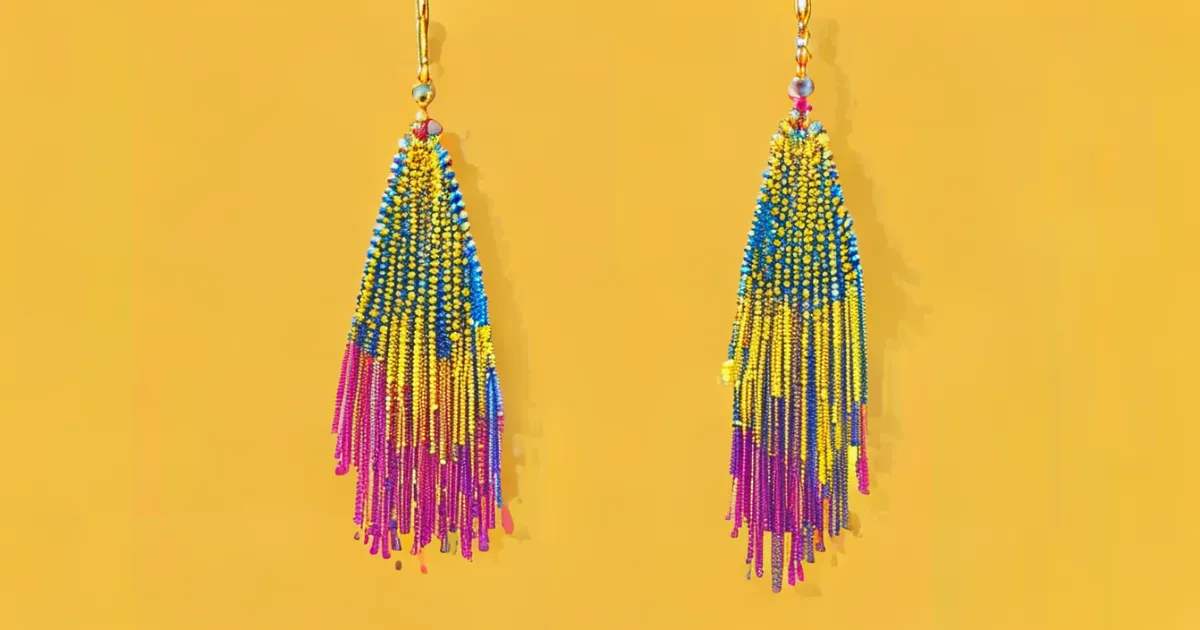
Beaded Fringe Earrings: Movement and Flow
Create stunning beaded fringe earrings that dance and sway with every movement. Master fringe techniques, bead selection, and design principles for eye-catching jewelry.

Ivy ChenSunday, December 14, 2025
Creating Dynamic Beaded Fringe Earrings: Movement and Flow
Beaded fringe earrings transform jewelry into living art that dances with every movement. These captivating designs combine craftsmanship with kinetic beauty, creating pieces that catch light and draw attention through their graceful motion. Whether you're new to jewelry making or looking to expand your skills, mastering fringe techniques opens up endless possibilities for creating beaded fringe earrings that range from delicate and subtle to bold and dramatic.
The magic of fringe earrings lies in their ability to create visual rhythm and flow. As you move, the beaded strands sway independently, creating a mesmerizing effect that static jewelry simply can't match. This dynamic quality makes fringe earrings particularly popular for special occasions, performances, or anytime you want your accessories to make a statement. The key to successful fringe earrings lies in understanding weight distribution, tension control, and design balance.
Understanding Fringe Fundamentals
Before diving into complex designs, it's essential to grasp the core principles of fringe construction. Fringe consists of multiple strands of beads that hang from a foundation or anchor point. These strands can be uniform in length or graduated to create different visual effects. The foundation typically uses sturdier materials like wire or strong thread to support the weight of multiple beaded strands.
The length of your fringe strands determines the movement and overall impact of your earrings. Shorter fringe (1-2 inches) creates subtle movement perfect for everyday wear, while longer strands (3-4 inches or more) produce dramatic sway ideal for special occasions. Consider your comfort level and intended use when deciding on fringe length.
Weight distribution is crucial for both comfort and durability. Beaded fringe earrings with uneven weight distribution can pull painfully or cause the earrings to sit awkwardly. Distribute heavier beads evenly across strands, and consider using lighter beads like seed beads for the majority of each strand, placing heavier accent beads near the bottom for visual interest without excessive weight.
Essential Tools and Materials
To create professional-quality fringe earrings, you'll need a specific set of tools and materials designed for detailed jewelry work. Start with beading needles in various sizes—smaller needles (size 12-15) work best for seed beads and detailed work, while larger needles handle heavier beads and wire.
Beading thread comes in different materials, each with specific advantages. Nylon thread offers flexibility and strength, while FireLine provides exceptional durability with minimal stretch. For wire-based designs, use 20-22 gauge craft wire that balances flexibility with structure. Always choose thread color that complements or matches your bead colors for seamless integration.
Invest in quality beading scissors that cut cleanly without fraying thread. Tweezers with fine points help with bead placement and knot tying. A beading board or felt mat keeps beads from rolling away and helps you plan your designs before committing to threading. For wire-based fringe, round-nose pliers and wire cutters are essential for creating secure loops and finishing touches.
Step-by-Step Basic Fringe Construction
Prepare Your Foundation Cut a length of wire or thread approximately 6 inches long. Create a small loop at one end using round-nose pliers (for wire) or an overhand knot (for thread). This loop will serve as your attachment point to earring hooks.
Plan Your Fringe Pattern Lay out your beads in the pattern you want for each fringe strand. Arrange them on your beading board to visualize the final design. Consider color progression, bead sizes, and any accent beads you want to include.
Create Individual Strands Thread beads onto a separate length of thread (approximately 8-10 inches long) following your planned pattern. Leave 2 inches of thread at the end for knotting. Repeat this process for the number of fringe strands you want—typically 5-9 strands for balanced design.
Attach Strands to Foundation Fold each beaded strand in half to find its center point. Attach each strand to your main foundation using a lark's head knot or by wrapping around the foundation wire. Space attachments evenly to create uniform fringe distribution.
Secure and Finish Once all strands are attached, create a second loop at the opposite end of your foundation. Attach earring hooks to both loops. Test the movement and adjust strand positions if needed. Apply clear nail polish or jewelry glue to knots for extra security.
Advanced Fringe Techniques
Once you master basic construction, explore advanced techniques that elevate your beaded fringe earrings from simple to stunning. Graduated fringe creates a waterfall effect by varying strand lengths. Start with shorter strands in the center and gradually increase length toward the outer edges. This technique works particularly well for dramatic, statement-making designs.
Layered fringe adds dimension by creating multiple tiers of strands at different heights. This approach allows you to incorporate different bead types and colors while maintaining visual balance. Ensure each layer is properly secured and that overall weight remains manageable.
Incorporate different fringe styles within the same design for texture variety. Combine straight fringe with V-shaped or diagonal patterns for dynamic visual interest. Some designers even create spiral or twisted fringe effects by using specialized threading techniques or incorporating different thread types.
Troubleshooting Common Fringe Issues
Problem: Fringe strands tangle easily during wear Solution: Include spacer beads between main beads to reduce tangling. Consider using slightly stiffer thread or incorporating wire accents in longer strands. Proper storage on earring holders or cards also prevents tangling when not in use.
Problem: Earrings feel too heavy Solution: Reduce the number of strands or use lighter beads. Incorporate hollow beads or focus weight near the bottom where it creates more visual impact with less perceived weight. Test earrings by wearing them around home before committing to extended wear.
Problem: Fringe looks uneven or unbalanced Solution: Use a ruler or measuring tool to ensure consistent strand lengths. Check that knots and attachments are secure and uniform. Sometimes simply adjusting how earrings hang can reveal balance issues that aren't obvious when laying flat.
Design Inspiration and Variations
Draw inspiration from various sources when designing your beaded fringe earrings. Art Deco designs feature geometric patterns and symmetrical fringe arrangements. Nature-inspired designs might incorporate leaf shapes, feather patterns, or flower motifs through strategic bead placement and color choices.
Cultural influences from around the world offer rich possibilities. Native American designs often feature turquoise, silver, and feather elements. African-inspired pieces might incorporate trade beads and bold patterns. Asian influences could include delicate cherry blossom patterns or zen-like minimalism.
Consider creating themed collections based on seasons, color stories, or specific occasions. Graduation earrings might incorporate school colors, while wedding pieces could use pearls and crystal beads for elegant sophistication. Holiday-themed fringe earrings make wonderful gifts and festive accessories.
If this, then that guidance:
- If you want everyday wear, then choose shorter fringe with lightweight beads and neutral colors.
- If you're creating for special occasions, then go bold with longer strands, dramatic colors, and statement beads.
- If you're new to beading, then start with simple patterns and fewer strands before attempting complex designs.
The beauty of creating beaded fringe earrings lies in the combination of technical skill and artistic expression. Each piece becomes a unique reflection of your creativity while honoring the tradition of handcrafted jewelry. As you develop your techniques and design sensibility, you'll discover endless possibilities for creating earrings that not only look beautiful but also move with grace and intention. Whether you're making pieces for yourself, as gifts, or for a small business, mastering fringe techniques adds valuable versatility to your jewelry-making repertoire.