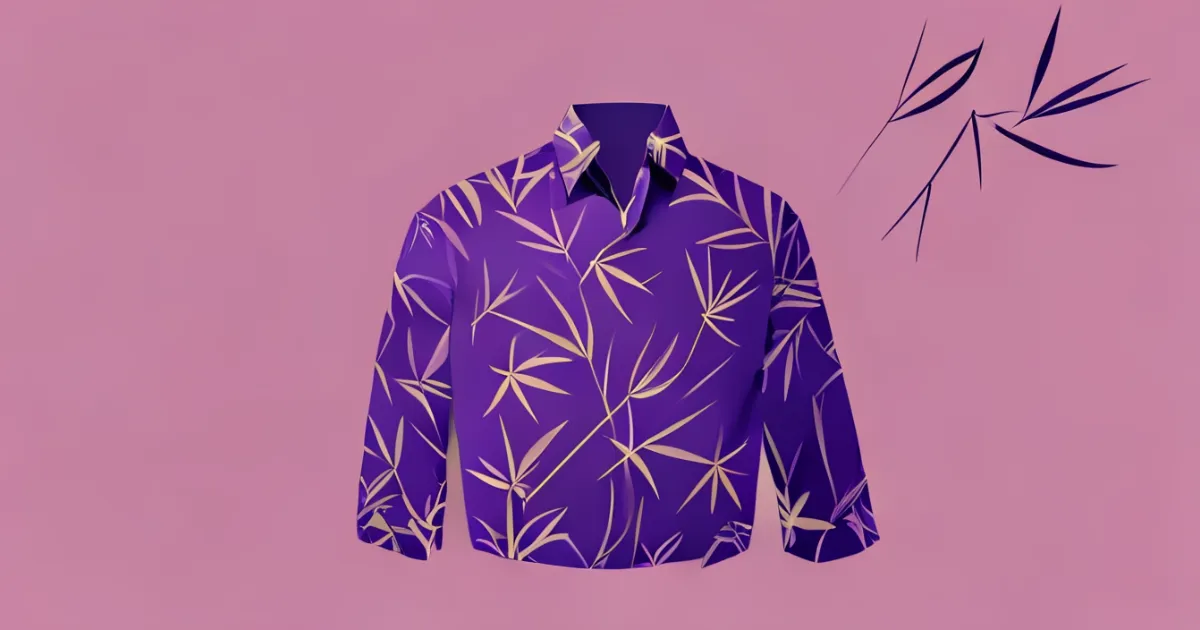
Bamboo Silk Shirt: Luxury Meets Sustainability
Bamboo silk shirts combine the luxurious feel of traditional silk with bamboo's natural benefits. Explore this premium fabric option that offers exceptional softness, temperature regulation, and environmental advantages.

Kai AdiyemiSunday, August 24, 2025
The Bamboo Silk Revolution
The bamboo silk shirt represents one of the most innovative developments in sustainable luxury fashion. Combining the fluid draping of traditional silk with bamboo's environmental advantages, this fabric category challenges conventional notions about eco-friendly clothing. Unlike petroleum-based synthetic silks, bamboo silk offers a renewable alternative that doesn't compromise on aesthetics or performance.
The manufacturing process transforms bamboo cellulose into fine filaments through advanced mechanical and chemical treatments. This method creates fibers with exceptional tensile strength while maintaining the subtle sheen characteristic of luxury textiles. The result is a fabric that feels remarkably similar to traditional silk but carries significantly lower environmental costs across its lifecycle.
Environmental Advantages Over Conventional Silk
Understanding the sustainability math behind bamboo silk shirt production reveals compelling advantages over traditional silk. Conventional silk requires silkworm farming, which demands substantial mulberry cultivation and energy-intensive processing. Each silk pound represents thousands of silkworm lives and considerable resource inputs.
Bamboo silk, conversely, leverages one of nature's most efficient renewable resources. Bamboo plants grow rapidly without pesticides or fertilizers, absorbing carbon dioxide at rates up to 35% higher than equivalent tree stands. The processing, while requiring careful chemical management, can be implemented in closed-loop systems that minimize environmental impact and water usage.
Performance Characteristics and Benefits
The technical performance of bamboo silk shirts exceeds expectations across multiple metrics. The fabric's natural moisture-wicking properties outperform conventional silk, making it more comfortable in varied climates and active situations. Temperature regulation occurs through the fabric's microstructure, which creates air pockets that provide insulation while allowing breathability.
The antimicrobial properties inherent to bamboo fibers extend garment lifespan between washes. Unlike traditional silk that requires frequent cleaning due to odor retention, bamboo silk maintains freshness longer, reducing water and energy consumption over the garment's lifetime. This characteristic aligns perfectly with sustainable living principles while providing practical benefits for daily wear.
Luxury Without Compromise
Premium bamboo silk shirts deliver the tactile experience expected from luxury textiles. The fabric drapes elegantly, moving with body motion while maintaining structure and shape. This versatility enables garments suitable for both formal and casual occasions, maximizing wardrobe utility and reducing the need for multiple specialized pieces.
The color absorption properties of bamboo silk create rich, vibrant hues that resist fading better than many conventional fabrics. This longevity aspect strengthens the sustainability argument—garments that maintain their appearance and performance characteristics reduce replacement frequency and overall resource consumption.
Care and Maintenance Practices
Proper care extends bamboo silk shirt lifespan significantly, maximizing both investment value and environmental benefits. Gentle hand washing or machine washing on delicate cycles preserves fiber integrity. Cool water temperatures prevent damage while maintaining the fabric's natural luster and softness.
Air drying represents the optimal approach, though low-heat tumble drying can work when time constraints necessitate machine drying. Avoid harsh chemicals and bleach, as these can degrade bamboo fibers and diminish their natural properties. With appropriate maintenance, quality bamboo silk shirts can last for years, providing excellent return on investment.
Economic Considerations and Market Position
The premium positioning of bamboo silk shirts reflects both production costs and growing consumer demand for sustainable luxury. While initial investment exceeds conventional cotton or synthetic alternatives, the cost-per-wear equation often favors bamboo silk due to durability and versatility. This economic reality makes bamboo silk increasingly attractive to consumers seeking long-term value.
Market expansion is driving price accessibility as production scales and technologies improve. New manufacturing methods are reducing costs while maintaining quality standards, making bamboo silk more available to consumers across various budget levels. This democratization of sustainable luxury represents an important step toward broader environmental impact.
Style Versatility and Wardrobe Integration
Bamboo silk shirts excel in wardrobe versatility, transitioning seamlessly from professional to casual settings. The fabric's natural drape creates elegant silhouettes that flatter various body types while maintaining comfort throughout extended wear. This adaptability reduces the need for multiple specialized garments, supporting minimalist and sustainable wardrobe philosophies.
The neutral color palette typical of bamboo silk pieces enhances styling options. Natural earth tones and subtle textures complement existing wardrobe elements, facilitating creative outfit combinations without requiring extensive additional purchases. This integration capability supports sustainable fashion choices through optimized resource utilization.
Future Developments and Innovation
Ongoing research and development promise exciting advances in bamboo silk technology. Bio-engineering approaches are creating bamboo varieties optimized for textile production, potentially increasing yield and reducing processing requirements. Simultaneously, manufacturing innovations focus on chemical reduction and energy efficiency improvements.
The convergence of fashion technology and sustainability science drives continuous improvement in bamboo silk production. These advances suggest even better environmental performance and cost optimization in coming years, making bamboo silk increasingly competitive with conventional alternatives across all metrics.
Making Informed Purchase Decisions
When evaluating bamboo silk shirt options, consider several key factors for optimal value alignment. Check fabric composition and manufacturing transparency—reputable brands will openly share production methods and environmental standards. Examine construction quality, including stitching and finishing details that indicate garment durability.
Prioritize versatility when selecting styles, choosing pieces that integrate easily into existing wardrobes. Consider the full lifecycle impact, including care requirements and expected longevity. These thoughtful considerations ensure your bamboo silk investment delivers maximum value across environmental, performance, and economic dimensions.
The Broader Sustainability Context
The bamboo silk shirt movement reflects larger shifts in fashion industry thinking toward sustainable luxury. As consumers increasingly demand environmental responsibility without compromising quality or aesthetics, innovative materials like bamboo silk demonstrate that such balance is achievable. This evolution suggests a future where sustainable choices represent the norm rather than exception in luxury fashion.
Understanding bamboo silk shirt technology helps consumers appreciate the complex interplay between material science, environmental stewardship, and fashion innovation. Each purchase supports this transition toward more sustainable textile production, creating market incentives for continued improvement and expanded availability.
The bamboo silk story illustrates how thoughtful innovation can reconcile seemingly conflicting priorities—luxury and sustainability, performance and environmental responsibility, cost and quality. As production technologies mature and market adoption grows, bamboo silk shirts represent both an immediate sustainable fashion option and a glimpse into clothing's environmentally conscious future.