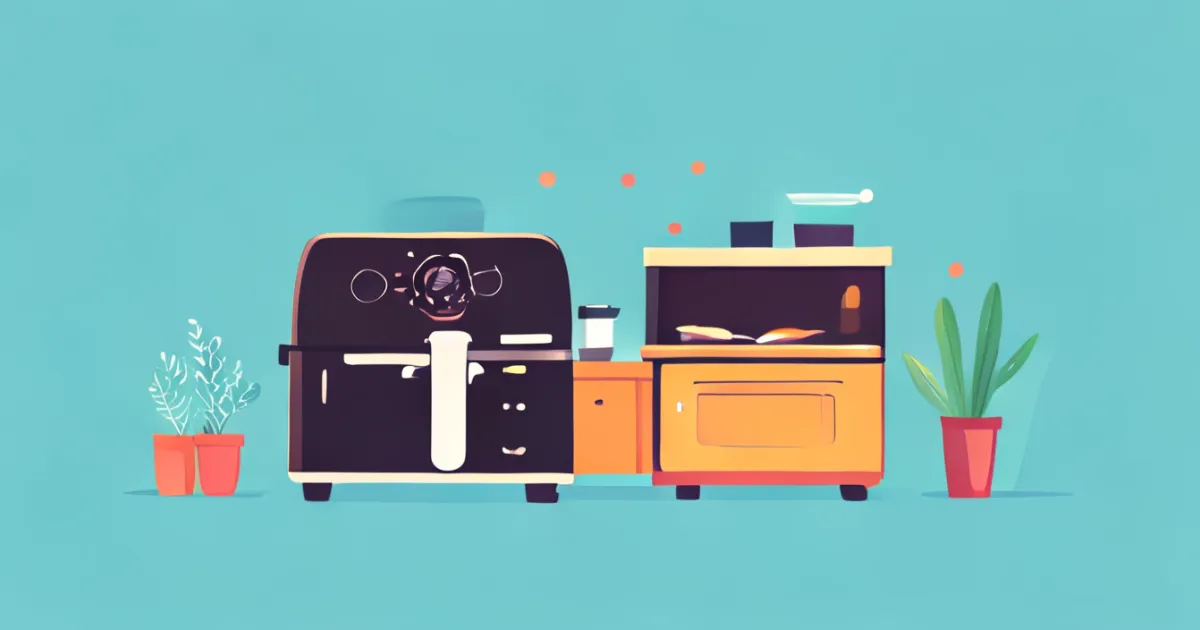
Air Fryer vs Oven: Complete 2024 Comparison
Comprehensive analysis of cooking times, energy efficiency, food quality, and costs between air fryers and traditional ovens.

Alex RiveraFriday, January 17, 2025
When you're deciding between an air fryer and a traditional oven, the choice isn't just about cooking technology—it's about how you live, what you eat, and how much you value your time and counter space. Let's break down the real differences that matter for everyday cooking.
Speed and Cooking Performance
Air fryers win on speed, but not in the way most people think. A typical air fryer cooks 20-30% faster than a conventional oven, but the real advantage is preheating time. While your oven needs 10-15 minutes to reach temperature, an air fryer is ready in 2-3 minutes. For weeknight dinners, that difference matters.
The cooking mechanism explains why air fryers work faster. They use convection heating—a powerful fan circulates hot air around food at high speed. This creates a crispy exterior while keeping the inside moist. Traditional ovens rely on radiant heat from elements, which cooks more slowly and unevenly.
For most foods, you'll need to reduce oven temperatures by about 25°F (15°C) and cooking time by 20% when converting recipes to air fryer. But this isn't universal—delicate items like fish might need even less time, while dense vegetables could require the same duration at lower temperature.
Food Quality Differences
The texture difference comes down to moisture control. Air fryers excel at creating crispy exteriors because they remove moisture quickly through intense air circulation. This makes them perfect for foods that should be crunchy: french fries, chicken wings, roasted vegetables, and even reheated pizza.
Ovens provide gentler, more even heat that's better for delicate tasks. Baking bread, roasting large cuts of meat, and cooking casseroles all benefit from an oven's stable temperature and larger cooking space. The slower cooking allows flavors to develop more gradually, which can improve taste in complex dishes.
Here's where each appliance shines:
Air fryer advantages:
- Crispy skin on chicken and potatoes
- Quick reheating that restores crunch
- Small batches of fried foods with less oil
- Roasting vegetables quickly with good caramelization
Oven advantages:
- Large capacity for family meals
- Even baking for cakes and breads
- Gentle cooking for delicate proteins
- Multiple dishes simultaneously
Energy Efficiency and Operating Costs
This is where air fryers clearly win. A typical air fryer uses 1,500 watts, while an electric oven can consume 2,000-5,000 watts. More importantly, air fryers cook food faster, so they're running for less time.
The energy math works out like this: cooking chicken breasts in an air fryer might use 0.25 kWh of electricity, while the same dish in an oven could use 1.5-2.0 kWh. That's 6-8 times more energy for essentially the same result.
For households that cook frequently, these savings add up. If you replace just half your oven cooking with air fryer use, you could reduce your kitchen energy consumption significantly. The exact savings depend on your local electricity rates and cooking habits, but the difference is substantial enough to matter for most budgets.
Capacity and Flexibility
Size is the oven's biggest advantage. A standard oven can handle multiple dishes simultaneously—think Thanksgiving dinner with turkey, stuffing, and roasted vegetables all cooking at once. Most air fryers max out at 2-4 quarts of food, enough for 2-4 people depending on what you're cooking.
However, air fryers offer a different kind of flexibility. Their small size means they heat up quickly and can sit on a countertop without installation. This makes them perfect for apartments, dorm rooms, or as a second cooking appliance during busy holidays. Some models even offer multiple racks or rotisserie functions that expand their capabilities.
The countertop footprint trade-off is real. Air fryers need permanent counter space or storage, while ovens are built-in. Consider your kitchen layout and cooking frequency. If you cook daily and have the space, an air fryer might earn its keep. If you only cook occasionally or have limited room, the versatility of an oven might be more valuable.
Cost Considerations
Initial purchase costs vary widely. Basic air fryers start affordable, while high-end models with multiple features can cost more. Ovens range from standard models to luxury versions with advanced features. But the real cost consideration isn't just the purchase price—it's the long-term value.
Air fryers generally cost less to operate due to their energy efficiency. They also might save money on cooking oil since they can achieve crispy results with minimal or no added fat. However, their limited capacity means you might need to cook in batches, which could increase energy use for large meals.
Consider your cooking patterns too. If you mostly cook for one or two people and value quick meals, an air fryer's efficiency might save you money on both energy and takeout. If you regularly host large gatherings or cook elaborate meals, an oven's capacity prevents the need for multiple cooking appliances.
Maintenance and Cleaning
Air fryers win on daily maintenance. Most models have dishwasher-safe baskets and non-stick surfaces that wipe clean easily. Their smaller size means there's less surface area to clean, and many components can be washed in the sink quickly.
Ovens require more involved cleaning. Spills can bake onto surfaces and become difficult to remove, and self-cleaning cycles use significant energy and time. However, ovens don't typically need cleaning after every use, while air fryers work best when wiped out regularly to prevent buildup.
Both appliances benefit from regular maintenance. Air fryer baskets can develop stubborn buildup if not cleaned regularly, and oven seals and heating elements need periodic checking. Consider how much time you're willing to spend on appliance care when making your choice.
Bottom Line
Choose an air fryer if you:
- Cook for 1-4 people regularly
- Value speed and energy efficiency
- Love crispy textures with less oil
- Have limited time for meal preparation
- Want quick reheating and small-batch cooking
Choose a oven if you:
- Cook for larger groups frequently
- Bake bread, cakes, or delicate items
- Need to cook multiple dishes simultaneously
- Have the space and need the capacity
- Value versatility over specialization
Many households find that having both appliances works best—using the air fryer for daily quick cooking and the oven for large meals or special occasions. The key is matching the appliance to your cooking habits, not just following trends.
For comprehensive guidance on specific cooking techniques and recipes, explore our healthy cooking resources to make the most of whichever appliance you choose.